Apple's rumored iPhone 17 Air, poised to replace the Plus model, could become the thinnest iPhone ever at just 5.5mm—but engineering trade-offs like a single rear camera and potential battery compromises raise critical questions about functionality versus form. With leaks pointing to a $900 price tag and a September 9 unveiling, this shift challenges industry norms and forces developers to reconsider app optimization for radically slim hardware.
As Apple's September 9 event looms, the tech world buzzes with reports of the iPhone 17 Air—a device that could redefine smartphone aesthetics while testing the limits of practical engineering. According to Bloomberg's Mark Gurman (86% accuracy per AppleTrack), this ultra-thin model aims to replace the decade-old Plus lineup, targeting a sleek 5.5mm profile that dwarfs the iPhone 16 Pro's 8.25mm thickness. But beneath the allure lies a cascade of compromises, from a solitary rear camera to battery life concerns, forcing developers and consumers alike to weigh innovation against usability.
The Thinness Paradox: Engineering Marvel or Compromise?
Leaked prototypes, including renders from Jon Prosser's Front Page Tech and analysis by Ming-Chi Kuo (72% accuracy), reveal a chassis so slender it necessitates drastic changes. The single 48MP rear camera—ditching ultrawide and telephoto lenses—sits within a horizontal "camera bar," a design echoed in dummy units showing a USB-C port awkwardly shifted toward the edge. This pursuit of minimalism extends to the display: a 6.6-inch panel with slim bezels, potentially boasting a 2740×1260 resolution spotted in iOS 26 betas. Yet, as AppleTrack's video analysis highlights, such thinness risks durability and ergonomics, with thermal management becoming a critical hurdle.
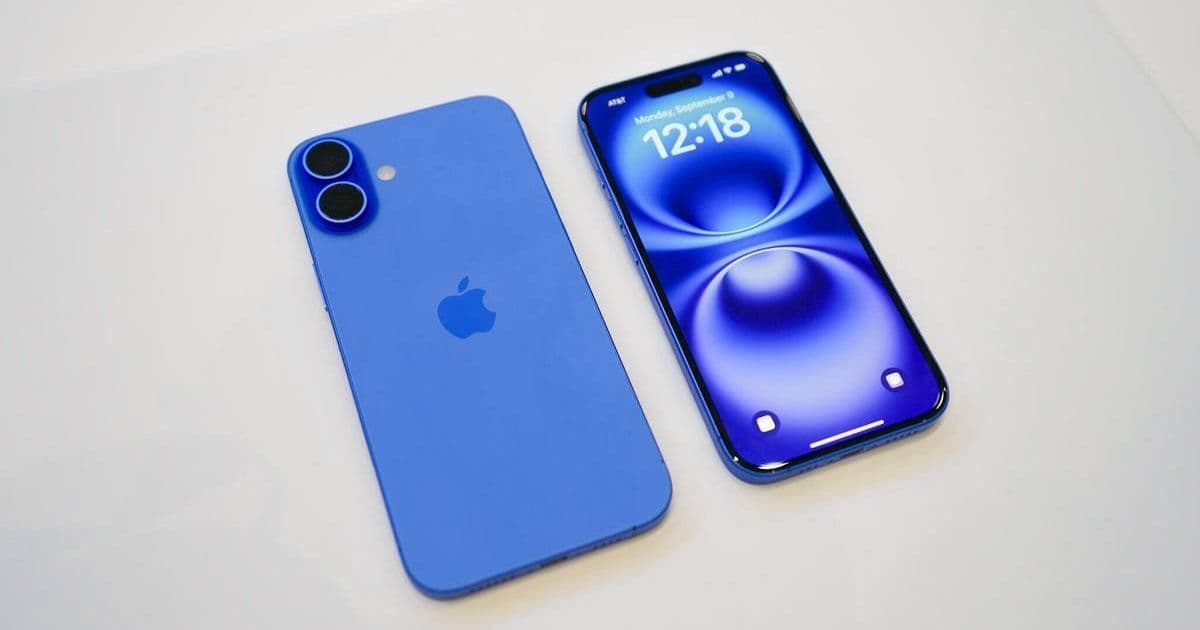
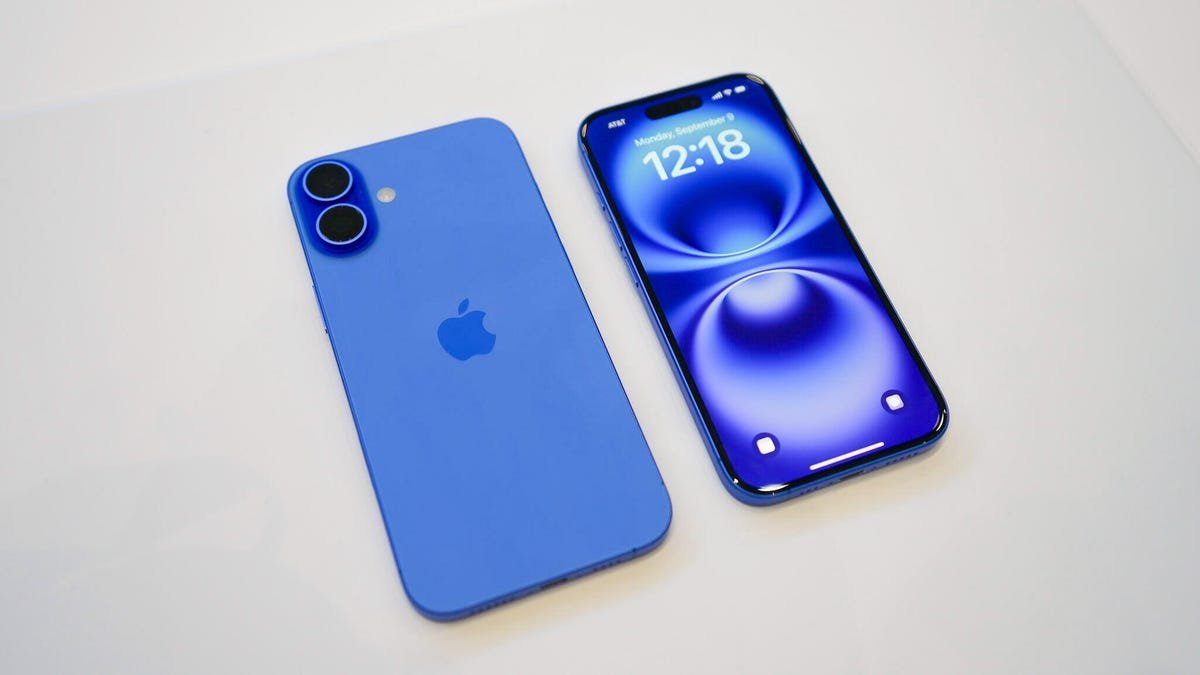
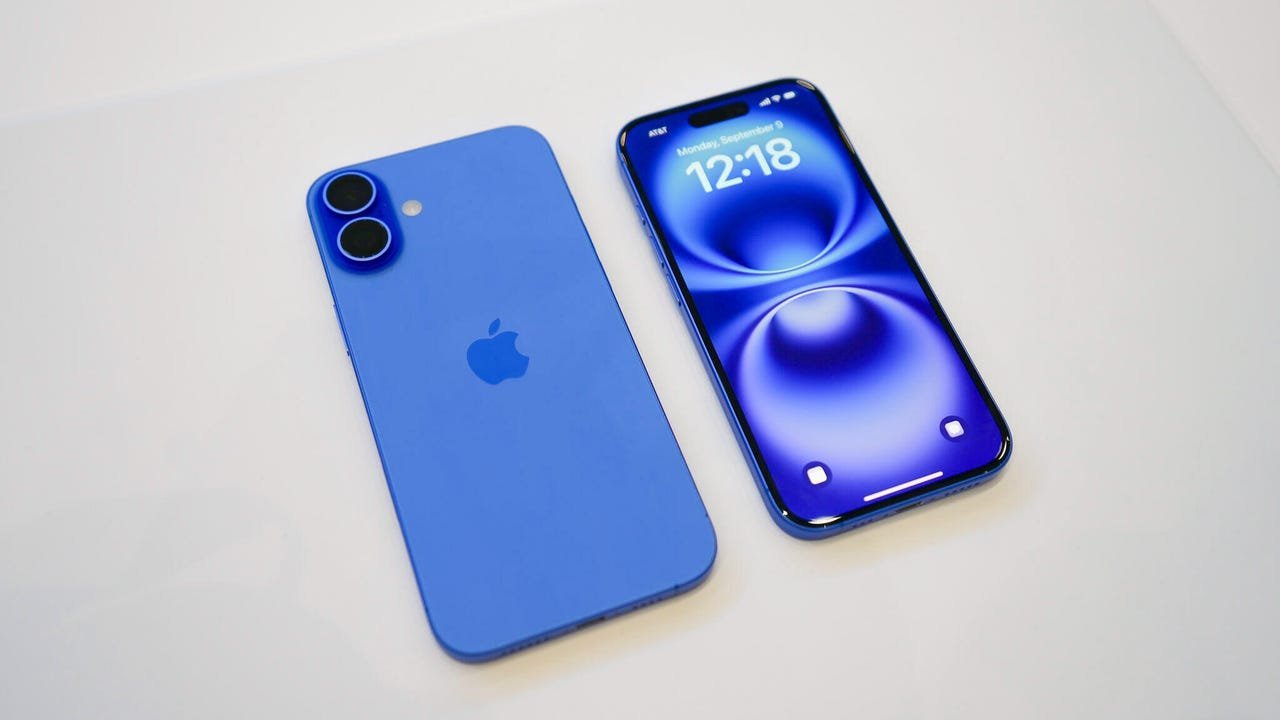 The iPhone Plus model (pictured) may be phased out for the Air's slimmer profile—Kerry Wan/ZDNET
Battery Life: Apple's High-Stakes Balancing Act
Perhaps the most contentious rumor involves power efficiency. Majin Bu's leaks suggest a 2,900mAh L-shaped battery with steel casing, while Kuo hints at TDK's silicon-anode cells for higher density. But The Information's Wayne Ma reports internal tests show only 60-70% of users achieving all-day battery life, prompting Apple to develop a proprietary battery case. Software may offset this via iOS 26's "Adaptive Power" feature, which throttles background tasks dynamically—a band-aid solution that could frustrate power users and complicate app performance predictability.
Under the Hood: Specs Shaping Developer Realities
Beyond aesthetics, the Air's internals signal Apple's broader strategy:
- Chip & RAM: Gurman claims the base A19 chip (countered by rumors of the A19 Pro), paired with 12GB RAM across multiple models.
- Connectivity: Kuo confirms an in-house Wi-Fi chip replaces Broadcom, accelerating Apple's silicon independence but risking early-adopter bugs.
- Colors: Majin Bu's renders suggest finishes like "sky blue" and light gold, targeting aesthetic appeal over functional diversity.
"This isn't just a new phone—it's a statement," notes a hardware engineer at a competing firm. "Apple's betting that thinness will drive sales, but developers must now optimize for thermal constraints and battery volatility that didn't exist in bulkier models."
The Ripple Effect: Pricing, Politics, and the Plus Model's Demise
Priced at ~$900, the Air inherits the Plus's slot, with Kuo and Display Supply Chain Consultants' Ross Young (92% accuracy) confirming a 6.55-inch display that bridges standard and Pro sizes. However, Trump's threatened 25% tariff on non-U.S.-built iPhones adds uncertainty, potentially inflating costs. For developers, the Air's singular camera system simplifies imaging APIs but limits AR and photography apps, while its thermal profile may demand more efficient code to prevent throttling.
As Tuesday's event approaches, the iPhone 17 Air embodies a pivotal question: Can Apple's pursuit of minimalism coexist with the robust functionality demanded by today's tech-savvy users? If rumors hold, this device won't just change pockets—it could reshape how we define smartphone innovation in an era of diminishing returns.
Source: ZDNET, Bloomberg, Ming-Chi Kuo, Majin Bu, and AppleTrack, as cited in the original article.
Comments
Please log in or register to join the discussion