Nearly 70% of iPhone owners plan to upgrade to the iPhone 17 at launch, with extended battery life emerging as the top driver despite rising prices. The survey reveals deepening tensions between Apple's premium pricing strategy and Android's growing appeal through foldables and AI features.
A striking 68.3% of iPhone owners plan to upgrade to Apple's upcoming iPhone 17 at launch according to a new survey of 2,000 users by SellCell. This marks a significant jump from the 61.9% who intended to purchase the iPhone 16 last year, signaling robust demand despite rumored price hikes. The findings expose critical fault lines in consumer priorities: battery life dominates upgrade decisions while escalating costs threaten to fracture brand loyalty.
The Battery Life Imperative
Over half (53.2%) of prospective buyers cited improved battery performance as their primary motivation—a demand directly addressed by Apple's hardware-software synergy. The iPhone 17 Pro and Pro Max models reportedly feature:
- Larger battery capacities coupled with the energy-efficient A19 Pro chip
- Adaptive Power Mode in iOS 26, dynamically optimizing resource allocation
- Enhanced thermal management for sustained peak performance
"This isn't just about longevity—it's about enabling always-on AI features without crippling daily usability," notes mobile tech analyst Elyse Betters Picaro. The emphasis on power efficiency highlights how battery constraints increasingly dictate flagship design priorities.
Price Sensitivity and Tariff Tensions
Despite the upgrade enthusiasm, 68.9% of hesitant users cited soaring prices as their primary barrier. With Pro models expected to cost $50 more than their predecessors ($1,049/$1,249 starting prices), economic pressures loom large. The potential impact of proposed 25% tariffs on imports adds volatility: 37% would delay purchases if tariffs inflate costs, while only 34% would proceed regardless.
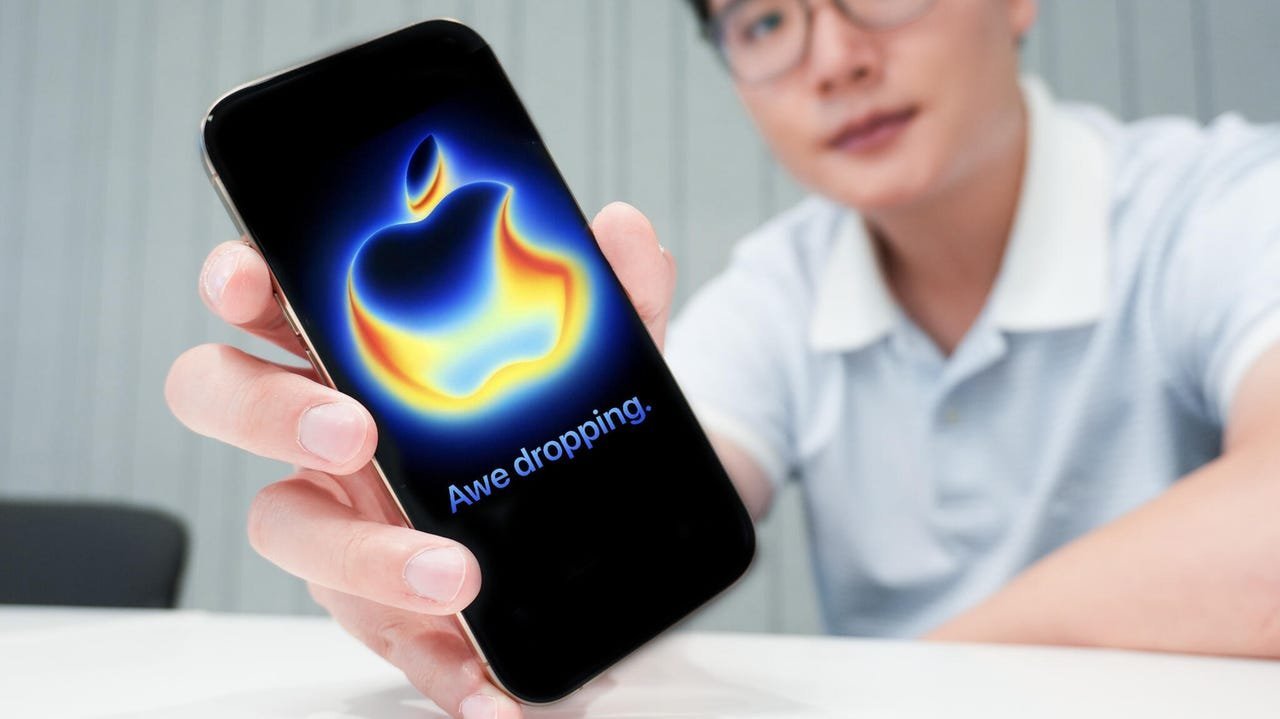 Apple's September 9 launch event invite hints at design innovations amid pricing pressures.
The Foldable Factor and Ecosystem Defections
Only 3.3% await a foldable iPhone, but Apple's delayed entry risks bleeding users to Android:
- 20% would consider Samsung's Galaxy Z Fold/Flip series
- 10% lean toward Google's Pixel Fold lineup
Meanwhile, Android's value proposition resonates: 11% of iPhone users cite lower prices as appealing, while 13% prioritize its AI implementations. Yet nearly half (49%) remain steadfastly loyal, underscoring iOS's sticky ecosystem.
The Developer Implications
This upgrade cycle reveals critical patterns for tech strategists:
- Battery-first engineering is non-negotiable for flagship adoption
- Premium pricing thresholds are testing consumer tolerance
- Platform loyalty increasingly hinges on unique hardware innovations (e.g., foldables)
As Apple prepares its September 9 unveiling, the iPhone 17's reception will signal whether hardware excellence can still outweigh economic headwinds—or if Android's aggressive play for disaffected users will gain traction.
Comments
Please log in or register to join the discussion