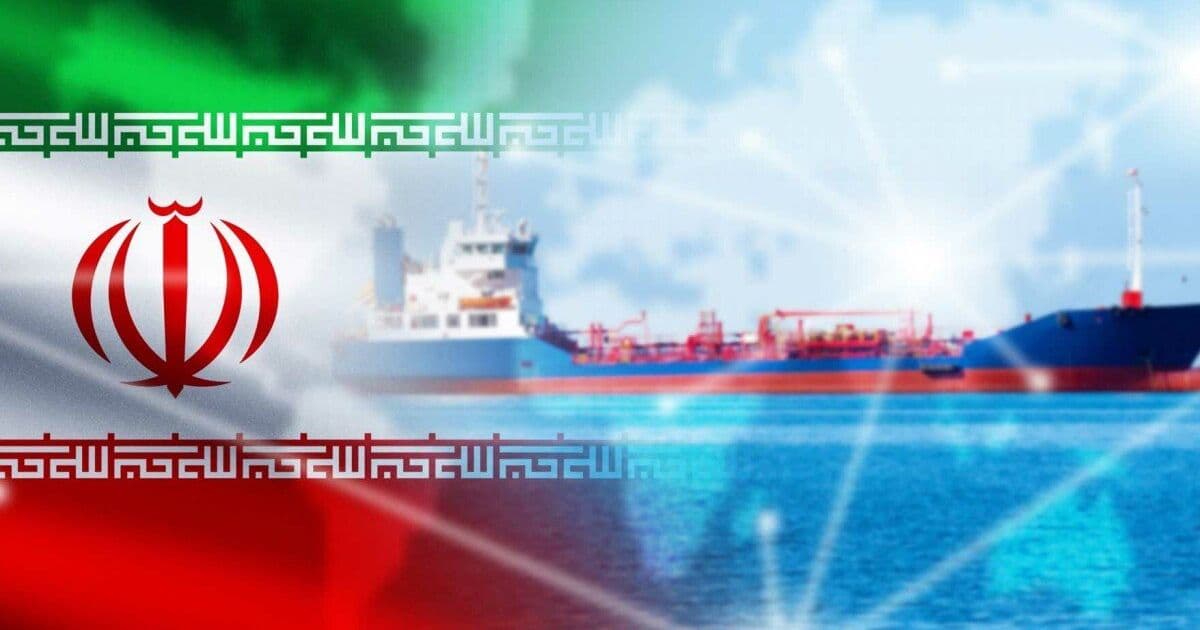
Iran's recent threats to disrupt submarine cables in the Strait of Hormuz highlight the fragility of global internet infrastructure and potential violations of international telecommunications law, with far-reaching implications for global commerce, security, and digital rights.
Iran's apparent threats to interfere with submarine communication cables in the strategically vital Strait of Hormuz represent a concerning escalation in the region's tensions, with potential violations of international telecommunications law and profound implications for global internet infrastructure and digital rights.
The threats emerged through social media channels, with an X account claiming to represent senior Iranian military command posting a message that translates to "We will impose fees on internet cables." This appears to be an attempt by Iran to extract payments from cable operators to prevent disruption of these critical information pathways. A separate account linked to Iran Times further warned that any interference with these cables could "affect banking networks, military communications, AI cloud systems, online services, and global commerce."
The Critical Infrastructure at Stake
Submarine cables form the backbone of global internet connectivity, carrying approximately 95% of international data traffic. Unlike satellite communications, these fiber-optic cables offer high bandwidth, low latency, and cost-effective data transmission essential for modern digital economies. The cables passing through the Strait of Hormuz specifically connect the Middle East to Europe and Asia, making them particularly vital for regional and global communications.
From a legal perspective, submarine cables are protected under international law. The United Nations Convention on the Law of the Sea (UNCLOS) explicitly protects submarine cables and pipelines in Article 113, which states that "States shall have the duty to penalize any persons under their jurisdiction who wilfully and unlawfully cut or damage submarine cables." Similarly, the International Telecommunication Union (ITU) establishes frameworks for international telecommunications cooperation that implicitly recognize the protected status of critical communication infrastructure.
Strategic Vulnerabilities in the Strait of Hormuz
The Strait of Hormuz presents unique challenges for submarine cable protection. While cable operators typically route their infrastructure through deep water to minimize physical risks, the Strait's shallow depth makes cables more accessible. Iran operates a fleet of torpedo-capable submarines, creating a potential threat vector that could be used to disrupt these critical information pathways.
The consequences of such disruption would be far-reaching. Banking networks rely on these cables for international transactions, military communications depend on them for coordination, AI cloud systems require constant data flow for training and operations, and global commerce would face significant disruptions to supply chains and digital services. The potential economic impact could reach billions of dollars daily, affecting everything from financial markets to international shipping logistics.
Historical Context and Precedents
Iran's threats should be understood within the broader context of the region's tensions and previous incidents targeting digital infrastructure. The article notes that Iran has previously claimed responsibility for targeting AWS data centers due to tenants hosting defense-related workloads, demonstrating Tehran's awareness that information infrastructure can serve strategic military objectives.
Historically, submarine cables have been disrupted both accidentally and intentionally. In 2012, cables in the Mediterranean were cut, causing significant internet outages across the Middle East and South Asia. While most incidents result from shipping accidents or natural disasters, intentional disruptions have occurred during geopolitical conflicts, such as incidents in the South China Sea where cables have reportedly been tampered with.
Potential Legal and Regulatory Implications
If Iran follows through on its threats, it could face significant international legal consequences. Beyond UNCLOS protections, the General Agreement on Trade in Services (GATS) includes telecommunications provisions that guarantee fair access to communication services. Disrupting submarine cables could violate these agreements, potentially leading to trade disputes and economic sanctions.
From a data protection perspective, the disruption would impact compliance with regulations like the GDPR and CCPA. Companies relying on these cables for data transfers could face challenges meeting cross-border data transfer requirements, potentially resulting in fines and penalties for non-compliance. The incident would also raise questions about the resilience of global data infrastructure and the adequacy of existing regulatory frameworks.
Mitigation Strategies and Industry Responses
The telecommunications industry has developed several strategies to mitigate risks associated with submarine cable vulnerabilities:
Redundant Pathways: Many cables are designed with multiple routes through strategic chokepoints, allowing traffic to be rerouted if one path is disrupted.
Landing Point Diversification: Some cables landing in the Gulf region have additional landing points in Oman, providing alternative pathways for data flow.
Terrestrial Backup: Gulf nations maintain terrestrial fiber links that can supplement submarine connectivity, though with limited capacity compared to underwater cables.
Enhanced Monitoring: Cable operators increasingly employ sophisticated monitoring systems to detect potential threats and quickly respond to disruptions.
International Cooperation: Industry groups and international organizations work together to protect critical infrastructure and respond to incidents.
Broader Implications for Digital Rights and Internet Governance
Iran's threats highlight broader questions about internet governance and digital rights in an era of increasing geopolitical tensions. The concentration of critical internet infrastructure in specific geographic locations creates single points of failure that can be exploited during conflicts.
From a digital rights perspective, such disruptions would impact fundamental rights including freedom of expression, access to information, and the right to participate in digital society. The international community must consider how to balance security concerns with maintaining an open, accessible, and resilient internet that respects human rights.
As Iran simultaneously announces a new maritime insurance scheme requiring cryptocurrency payment, it becomes clear that the regime is developing multiple pressure tactics to control both physical and digital traffic through the Strait. This coordinated approach suggests that threats against submarine cables should be taken seriously, regardless of whether they constitute immediate bluster or represent genuine strategic considerations.
The telecommunications industry and international regulators face significant challenges in protecting these critical infrastructure elements while maintaining the principles of open global connectivity. As tensions in the region continue to evolve, the protection of submarine cables will remain a critical concern for global digital stability and the preservation of fundamental digital rights.
Comments
Please log in or register to join the discussion