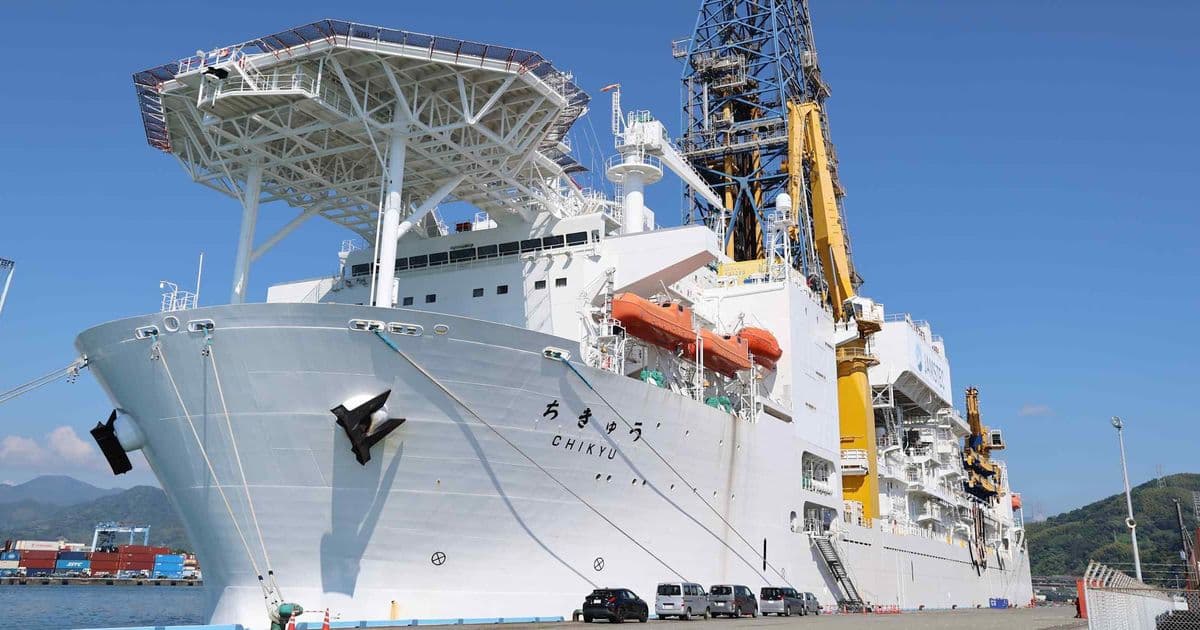
Japan has initiated a landmark deep-sea mining operation targeting rare earth elements near Minamitorishima Island, representing a strategic move to reduce dependence on Chinese-controlled supplies critical for electronics and defense technologies.
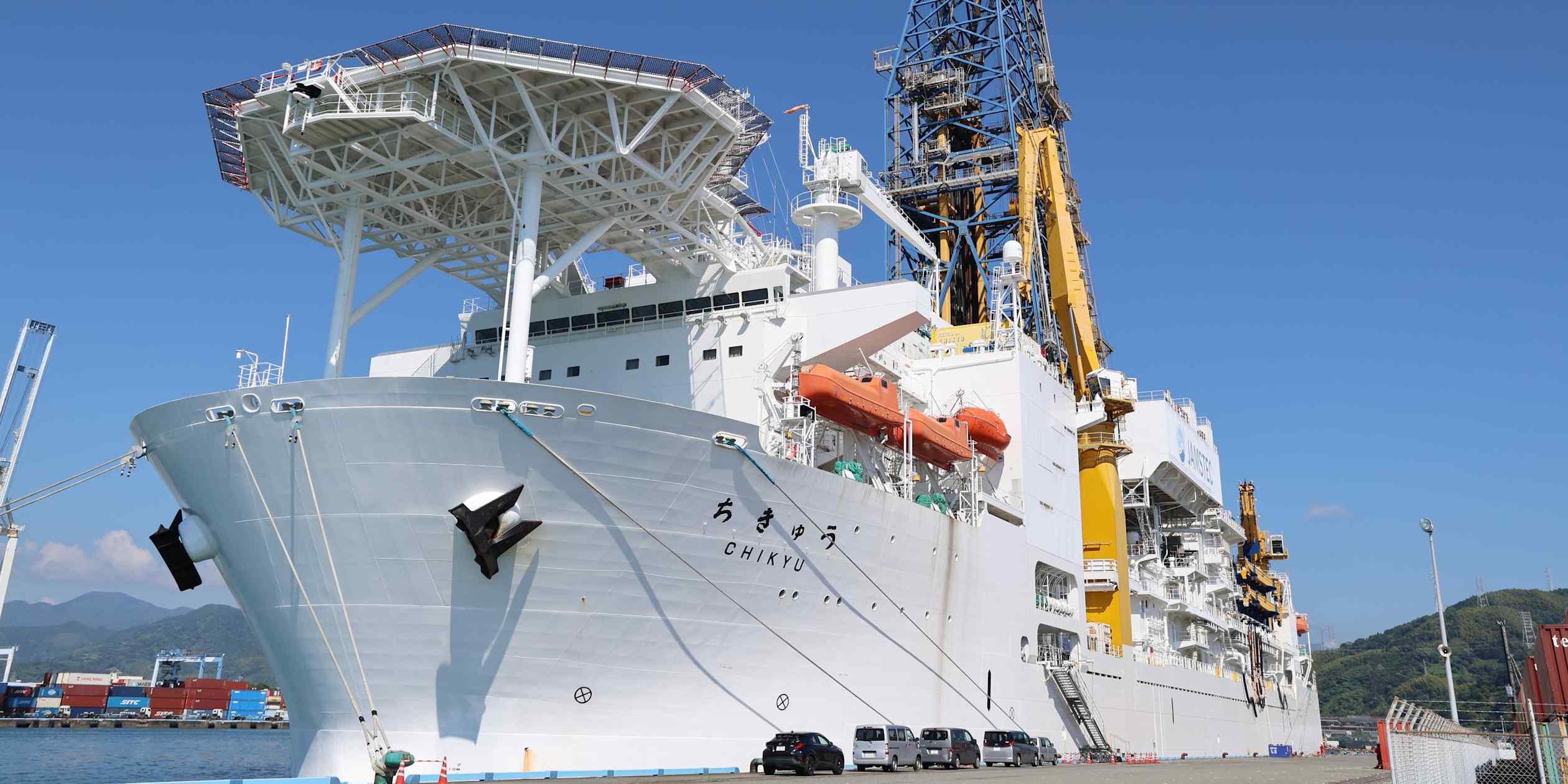
Japan has commenced a historic deep-sea mining operation targeting rare earth elements in the Pacific Ocean, marking a pivotal step in global efforts to diversify critical mineral supply chains. The research vessel Chikyu departed this week for a month-long mission to extract mineral-rich mud from depths exceeding 6,000 meters near Minamitorishima Island, approximately 1,900 km southeast of Tokyo.
Market Context: China's Dominance and Strategic Vulnerabilities
China currently controls approximately 60% of global rare earth mining and 90% of refining capacity according to US Geological Survey data. These 17 elements—including neodymium for magnets and dysprosium for lasers—are indispensable for electric vehicles (EVs), wind turbines, consumer electronics, and defense systems. Japan imports over 90% of its rare earths from China, creating acute supply chain vulnerabilities highlighted during the 2010 embargo when prices surged 10x within months.
The Minamitorishima site contains an estimated 16 million tons of rare-earth-rich mud, potentially yielding 780 years' worth of yttrium and 620 years of dysprosium at Japan's current consumption rates based on University of Tokyo research. However, extraction costs remain substantial: deep-sea mining operations typically run 30-50% higher than terrestrial mining due to specialized equipment and complex logistics.
Strategic Implications for Japan and Global Markets
This project advances Japan's $500 million Critical Minerals Strategy launched in 2024, which includes subsidies for recycling tech and overseas mining investments. Success could trigger three major shifts:
- Supply Chain Resilience: Reducing Chinese export dependency (China recently restricted civilian-use rare earth exports to Japan)
- Technological Leadership: Developing proprietary deep-sea extraction tech for global licensing
- Price Stabilization: Creating alternative supply buffers against geopolitical shocks
Challenges include scaling from test extraction to commercial viability. The Chikyu mission aims to prove extraction feasibility at record depths, though processing the complex mineral soup requires novel separation techniques. If successful, full-scale operations could commence by 2032, coinciding with projected EV demand growth requiring 300% more rare earths than current global production.
Broader Industry Impact
Automakers like Toyota—which recently led Japan's EV sales—and electronics manufacturers stand to benefit from diversified sourcing. Meanwhile, mining firms including JX Advanced Metals are accelerating R&D in rare earth alternatives as prices remain volatile (dysprosium oxide currently trades at $380/kg, 65% above 2021 averages). This project positions Japan at the forefront of subsea resource geopolitics as nations race to secure critical minerals beyond terrestrial deposits.
Comments
Please log in or register to join the discussion