Japanese beer imports to South Korea hit record highs in 2025 as younger drinkers embrace new flavors and styles, signaling a cultural shift in beverage preferences.
Japanese beers are experiencing a remarkable resurgence in South Korea, particularly among Gen Z and millennial drinkers, as beverage makers successfully appeal to younger consumers with innovative styles and flavors. This trend coincides with warming diplomatic ties between the two nations and represents a significant shift in South Korea's traditionally domestic-dominated beer market.
According to recent data, imports of Japanese beer brands to South Korea reached record levels in 2025, marking a dramatic turnaround from previous years when political tensions had dampened cross-border beverage trade. The renewed popularity reflects changing consumer preferences among younger South Koreans who are increasingly open to international flavors and experiences.
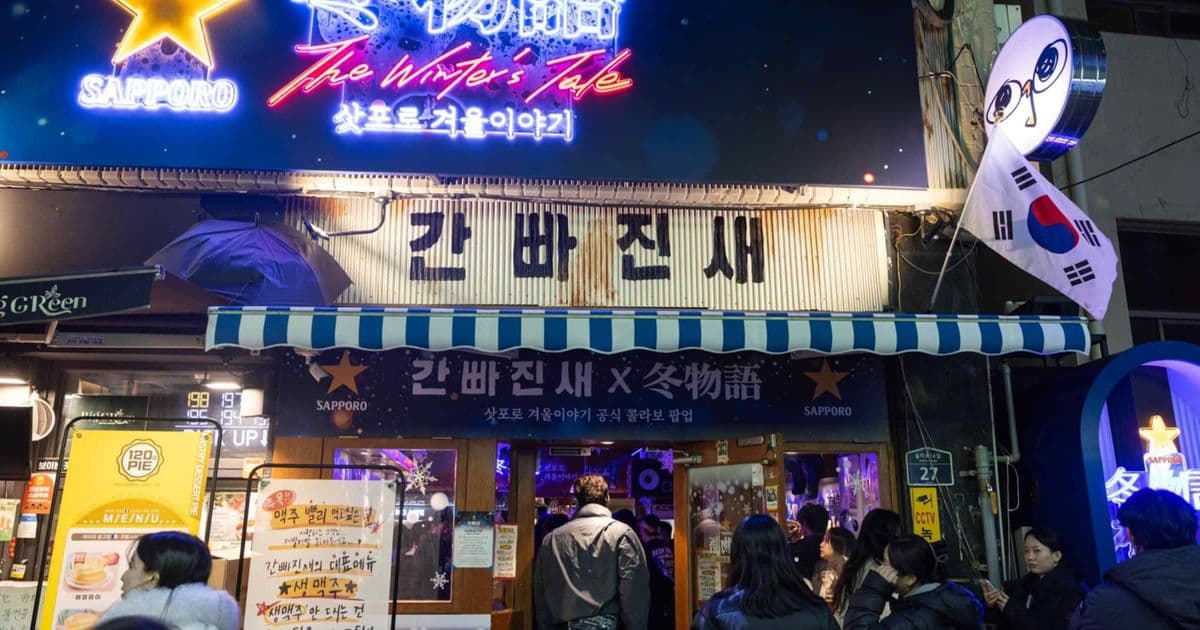
The shift is particularly evident in Seoul's vibrant drinking establishments. Ganppa Jinsae, a bustling bar in the Euljiro district, has built its entire beer menu around Sapporo products, demonstrating how Japanese brands are carving out dedicated followings in South Korea's competitive beverage scene. This specialization strategy appears to be resonating with younger consumers who value authenticity and unique drinking experiences.
Japanese brewers have strategically positioned their products to appeal to South Korean millennials and Gen Z drinkers, who tend to be more experimental and globally-minded than previous generations. The success of these efforts suggests that cultural and generational factors are playing as significant a role as the beverages themselves in driving this market shift.
The warming of Japan-South Korea relations has created a more favorable environment for Japanese products across various sectors, with the beverage industry emerging as one of the most visible beneficiaries. This thawing of relations has allowed younger consumers, who lack the historical baggage of older generations, to embrace Japanese products more freely.
This trend represents a broader pattern of changing consumer behavior in South Korea, where younger generations are increasingly seeking out international brands and experiences. The success of Japanese beers suggests that quality and innovation can overcome historical tensions when targeted effectively at the right demographic.
The record-high imports in 2025 indicate that this is not merely a temporary fad but potentially a lasting shift in South Korea's beer market dynamics. As Japanese brewers continue to innovate and cater to local tastes, they appear well-positioned to maintain and expand their growing market share among South Korea's younger drinkers.
This development also highlights the power of generational change in shaping cross-border trade relationships, particularly in consumer goods sectors where taste preferences and brand loyalty are increasingly influenced by global trends rather than traditional national boundaries.
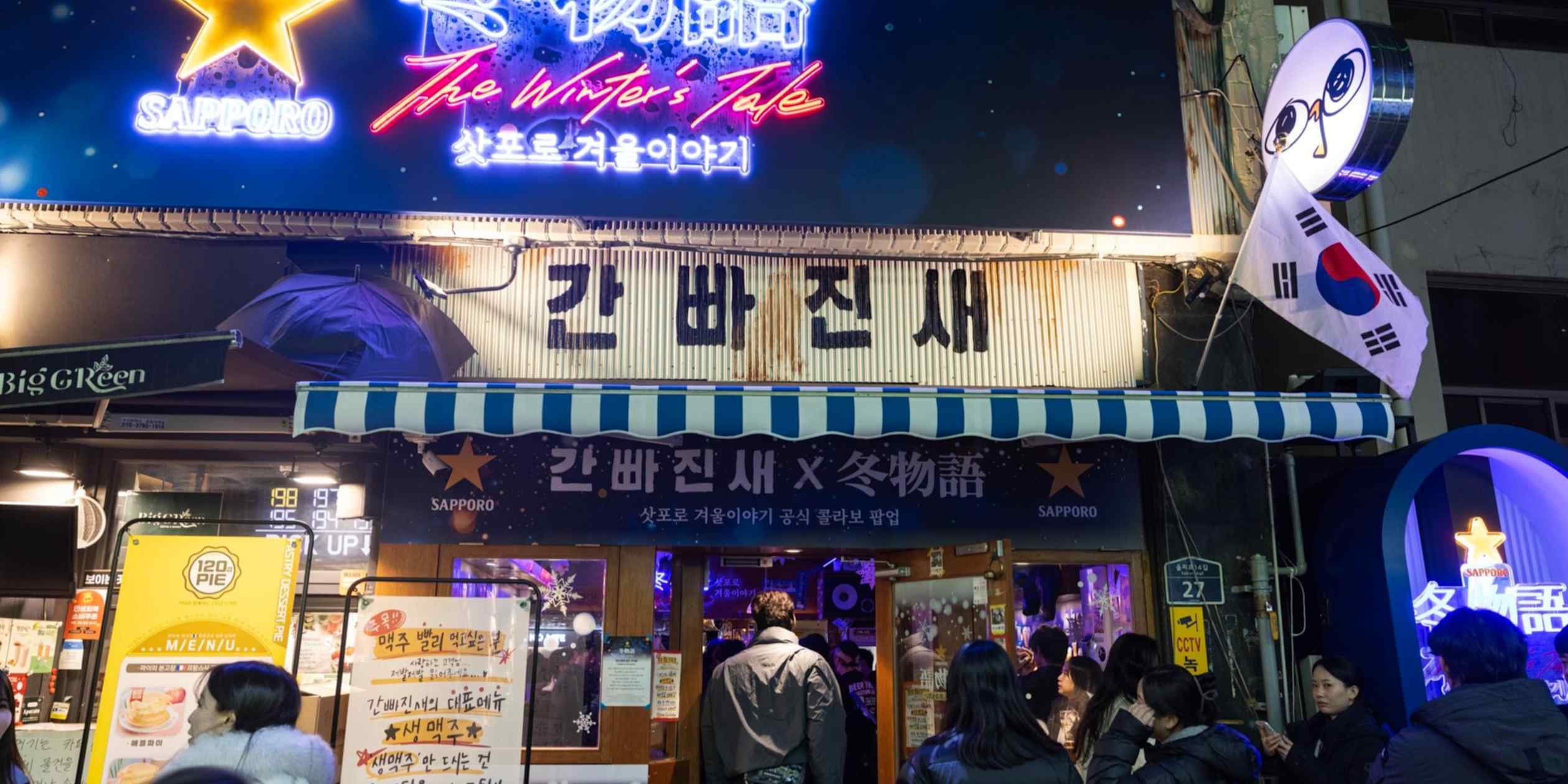
Featured image: A bustling bar in Seoul's Euljiro area serves only Sapporo beers, reflecting the growing popularity of Japanese brands among younger South Korean consumers.
Comments
Please log in or register to join the discussion