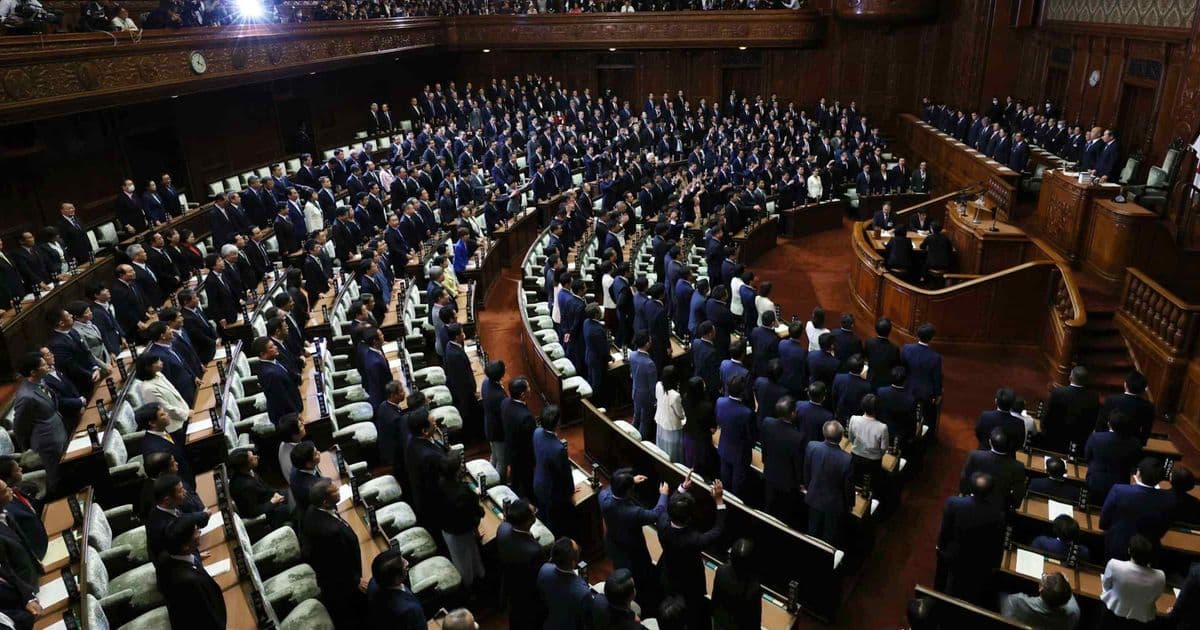
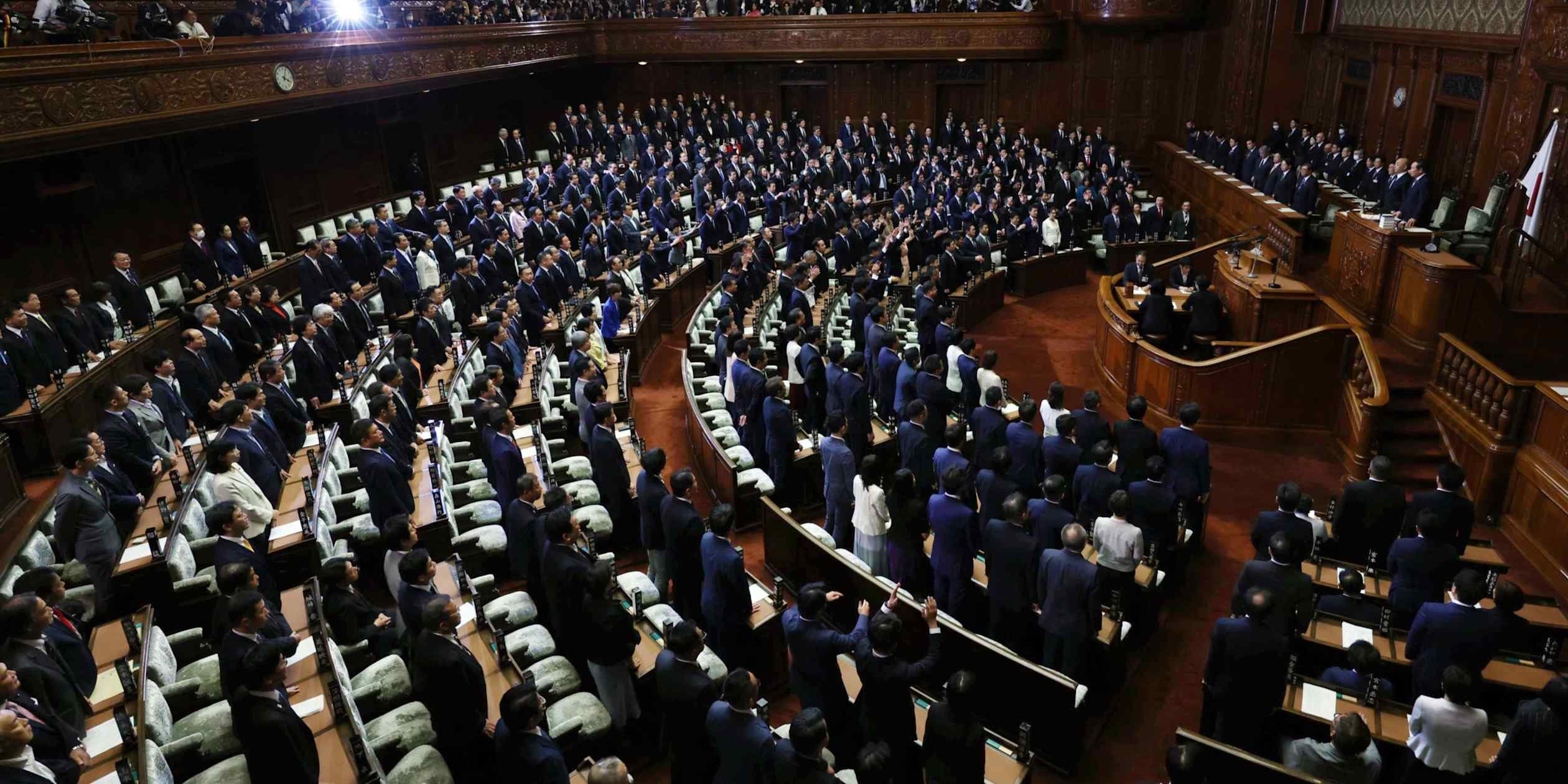
Nikkei poll shows ruling Liberal Democratic Party could gain 267 seats in Feb. 8 election, up from 198, potentially securing single-party control of Japan's lower house for first time in years.
Japan's ruling Liberal Democratic Party (LDP) is on track to secure a single-party majority in the lower house of parliament, according to a new Nikkei poll conducted immediately after the election announcement. The survey projects the LDP could gain 267 seats in the Feb. 8 election, up from its current 198 seats out of 465 total.
This potential gain would mark a significant shift in Japanese politics, giving the LDP outright control of the lower house without relying on its coalition partner, Komeito. Prime Minister Sanae Takaichi, who also serves as LDP president, has established a "ruling party majority" as the benchmark for victory in this snap election.
Election Context and Timing
The election comes at an unusual time - deep winter - and represents one of Japan's shortest campaign periods. The "ultra-short snap election" has forced parties to rapidly mobilize their campaigns and adapt to the compressed timeline.
Digital platforms are playing an increasingly important role in this election cycle. TikTok and YouTube Shorts have emerged as new battlegrounds for political messaging, with parties racing to capture younger voters through short-form video content. This shift reflects broader changes in how Japanese voters consume political information.
Opposition Challenges
One of the most notable projections from the Nikkei poll concerns the Opposition Centrist Reform Alliance, which could lose seats in this election. The alliance's potential losses highlight the challenges facing opposition parties in Japan's political landscape, where the LDP has maintained dominance for most of the post-war period.
Policy Debates Shaping the Election
Several key policy issues are dominating the campaign trail:
Consumption Tax: Party leaders are clashing over consumption tax policies, with Prime Minister Takaichi ruling out the use of deficit bonds for consumption tax cuts. This stance has become a central point of debate as parties position themselves on fiscal policy.
Foreigner Rules: Immigration and foreign resident policies are also emerging as contentious issues, with different parties proposing varying approaches to Japan's demographic challenges.
Tax Cuts and Populism: The embrace of tax cuts by multiple parties mirrors a global shift toward populism, reflecting broader economic anxieties among Japanese voters.
Political Implications
If the LDP achieves a single-party majority, it would represent a significant consolidation of power for Prime Minister Takaichi's administration. This outcome would provide the government with greater flexibility in pursuing its legislative agenda without the need to negotiate extensively with coalition partners.
However, the Nikkei poll also notes that Prime Minister Takaichi's approval rating has slipped amid doubts over proposed food tax cuts. This suggests that while the LDP may be gaining seats, there are still areas of voter concern that could influence the final results.
Economic Context
The election comes amid several significant economic developments:
- China's battery storage installations have tripled year-over-year
- Japan's imitation crab maker plans to double US production amid strong demand
- Global currency markets remain volatile, with the US Treasury stating it is "absolutely not" intervening to support the yen
These economic factors are likely influencing voter priorities and party platforms as candidates campaign across the country.
Looking Ahead
The Feb. 8 election represents a critical moment for Japanese politics. A single-party LDP majority would provide clear governance advantages but also raise questions about political diversity and checks on executive power.
As the campaign enters its final weeks, all eyes will be on whether the Nikkei poll's projections hold true and what this means for Japan's policy direction on issues ranging from fiscal stimulus to demographic challenges and international relations.
The outcome will not only determine the composition of Japan's lower house but also signal the electorate's appetite for continuity versus change in one of the world's largest economies.
Comments
Please log in or register to join the discussion