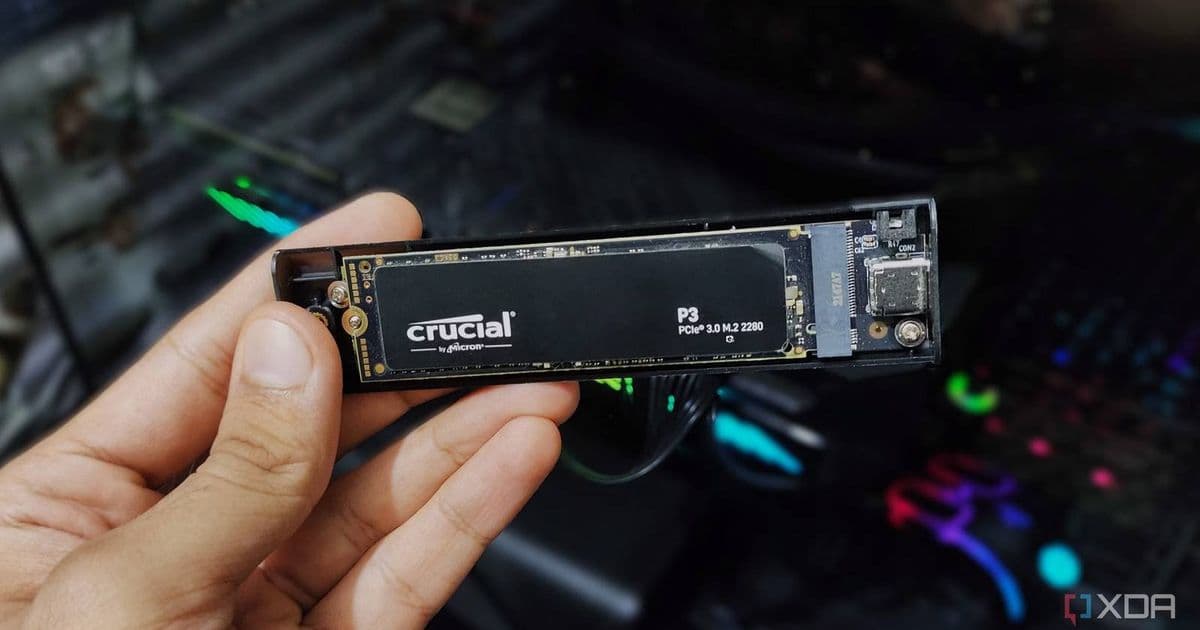
Major SSD price increases are looming as NAND flash manufacturers reportedly plan steep cost hikes, potentially impacting consumers and businesses relying on solid-state storage.
The solid-state drive market is bracing for significant price increases as NAND flash manufacturers are reportedly planning substantial cost hikes, according to industry sources. This development could have far-reaching implications for consumers, businesses, and the broader tech ecosystem that has come to rely on increasingly affordable SSD storage.
The NAND Flash Market Dynamics
NAND flash memory, the fundamental component in SSDs, has experienced a complex pricing cycle over the past several years. After a period of oversupply and falling prices that benefited consumers, manufacturers are now signaling a shift toward higher pricing to improve profit margins.
The reported cost increases from major NAND producers could range from 15% to 30%, representing one of the most significant pricing adjustments in recent memory. This move comes as manufacturers seek to balance supply and demand while addressing production costs and market pressures.
Impact on SSD Pricing
For consumers and businesses, this development translates directly to higher SSD prices across the board. Whether you're building a new PC, upgrading an existing system, or managing enterprise storage infrastructure, expect to pay more for solid-state storage in the coming months.
Current market prices for popular SSDs could see increases of $10-30 for consumer drives, with higher-capacity and enterprise-grade solutions experiencing even steeper price jumps. A 1TB NVMe SSD that currently retails for around $60-80 might see prices climb to $70-100, while larger capacity drives could experience proportionally larger increases.
Industry Context and Timing
The timing of these potential price increases is particularly noteworthy. The SSD market has been experiencing steady growth, driven by increasing demand for faster storage in everything from laptops and desktops to servers and data centers. The gaming industry's appetite for high-speed storage, combined with the proliferation of content creation and professional applications, has created sustained demand for SSD technology.
However, manufacturers appear to be prioritizing profitability over market share expansion. This shift suggests that the period of aggressive price competition and rapid cost reductions may be coming to an end, at least temporarily.
Consumer and Business Considerations
For consumers planning storage upgrades or new system builds, this news presents a strategic decision point. Those who have been considering SSD purchases might want to accelerate their plans to take advantage of current pricing before the increases take effect.
Businesses and IT departments managing storage infrastructure should also factor these potential price increases into their budgeting and procurement strategies. The cumulative impact on large-scale deployments could be substantial, particularly for organizations that rely heavily on SSD technology for their operations.
Market Response and Alternatives
The SSD market has shown remarkable resilience and innovation in the face of pricing pressures. Manufacturers continue to develop more efficient production processes and new technologies that could help mitigate some of the cost increases over time.
Additionally, the market offers various alternatives and strategies for managing storage costs. Traditional hard drives remain significantly cheaper per gigabyte for bulk storage needs, while hybrid approaches combining SSDs for performance-critical applications with HDDs for mass storage can optimize both performance and cost.
Looking Ahead
The reported NAND price increases represent a significant shift in the storage market landscape. While the immediate impact will be higher prices for consumers and businesses, the long-term effects could include accelerated innovation as manufacturers seek to deliver more value and efficiency to justify the higher costs.
Industry analysts suggest that these price increases could persist for 12-18 months, depending on market conditions and the success of manufacturers in achieving their pricing objectives. During this period, we may see a slowdown in the historical trend of rapidly falling SSD prices, though the overall trajectory toward more affordable solid-state storage is likely to continue in the longer term.
The coming months will be crucial for the SSD market as manufacturers implement these pricing changes and consumers and businesses adapt to the new cost structure. For now, the message is clear: SSD prices are heading up, and the era of consistently falling storage costs may be taking a temporary pause.
For the latest updates on SSD pricing and storage technology developments, follow industry news sources and monitor pricing trends from major retailers and manufacturers.
Comments
Please log in or register to join the discussion