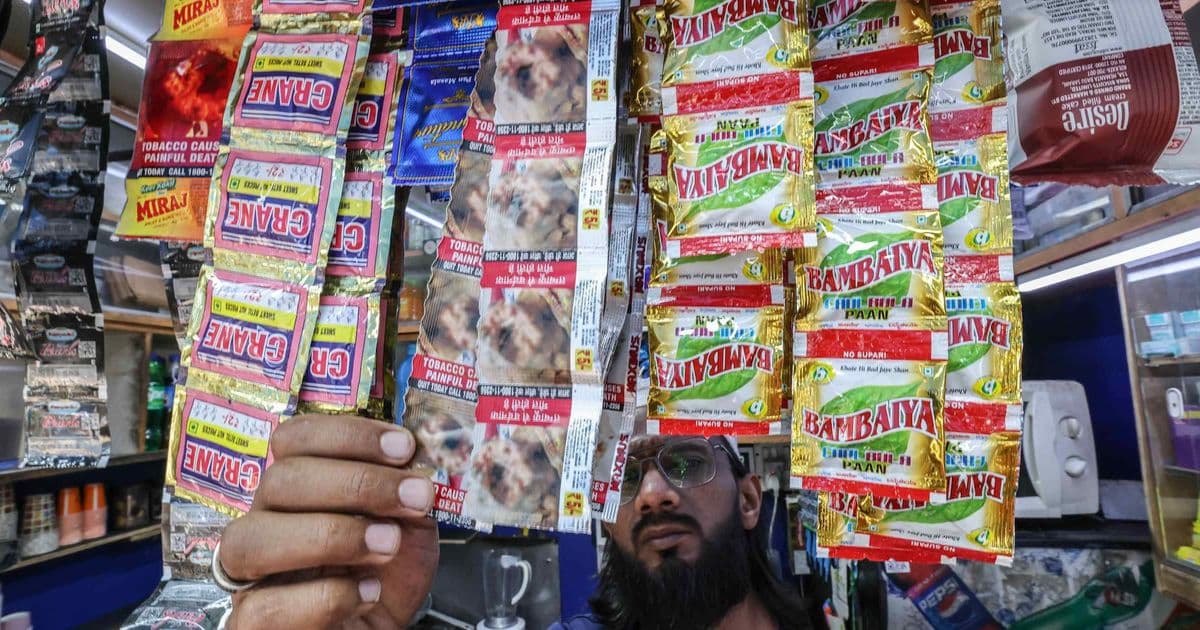
While India cracks down on cigarettes, smokeless tobacco products remain widely available and popular, undermining public health efforts.
While India has ramped up its campaign against cigarettes, smokeless tobacco products continue to thrive in the country, undermining public health efforts and creating a regulatory blind spot.
The Regulatory Gap
India's 2011 ban on the sale of blends combining tobacco and betel nut has had minimal impact on the ground. Vendors across the country openly sell these products in separate packets, allowing consumers to mix them themselves. This workaround has effectively circumvented the ban while maintaining the same health risks.
Health Impact
The consequences are already visible. Waqar, a 26-year-old from New Delhi, represents a growing demographic suffering from tobacco-related health issues after just a decade of use. Health experts warn that smokeless tobacco carries significant risks including oral cancer, gum disease, and cardiovascular problems.
Market Persistence
Unlike cigarettes, which face graphic warning labels and advertising restrictions, smokeless tobacco products operate with fewer constraints. The products remain affordable and accessible, particularly in rural areas where awareness of health risks may be lower.
Economic Factors
The tobacco industry's economic influence extends beyond cigarettes. Smokeless tobacco supports numerous small businesses and informal vendors, creating political resistance to stricter regulation. Additionally, the products generate substantial tax revenue for state governments.
Cultural Context
Betel nut and tobacco mixtures have deep cultural roots in many parts of India, making outright bans politically challenging. The practice is often tied to social rituals and traditional medicine, complicating public health messaging.
Enforcement Challenges
Local authorities struggle with inconsistent enforcement. While some regions actively target smokeless tobacco sales, others turn a blind eye, creating a patchwork of regulations that varies by state and even by neighborhood.
The Way Forward
Public health advocates argue for a comprehensive approach that addresses all tobacco products equally. This would include standardized warning labels, taxation policies that discourage use, and public education campaigns specifically targeting smokeless tobacco risks.
Global Context
India's experience mirrors challenges faced in other countries where smokeless tobacco remains culturally entrenched. The World Health Organization has identified these products as a significant barrier to reducing tobacco-related deaths globally.
Looking Ahead
Without addressing the smokeless tobacco market, India's broader tobacco control efforts may fall short of their public health goals. The regulatory gap allows users to simply switch products rather than quit, maintaining the industry's profitability while health risks persist.
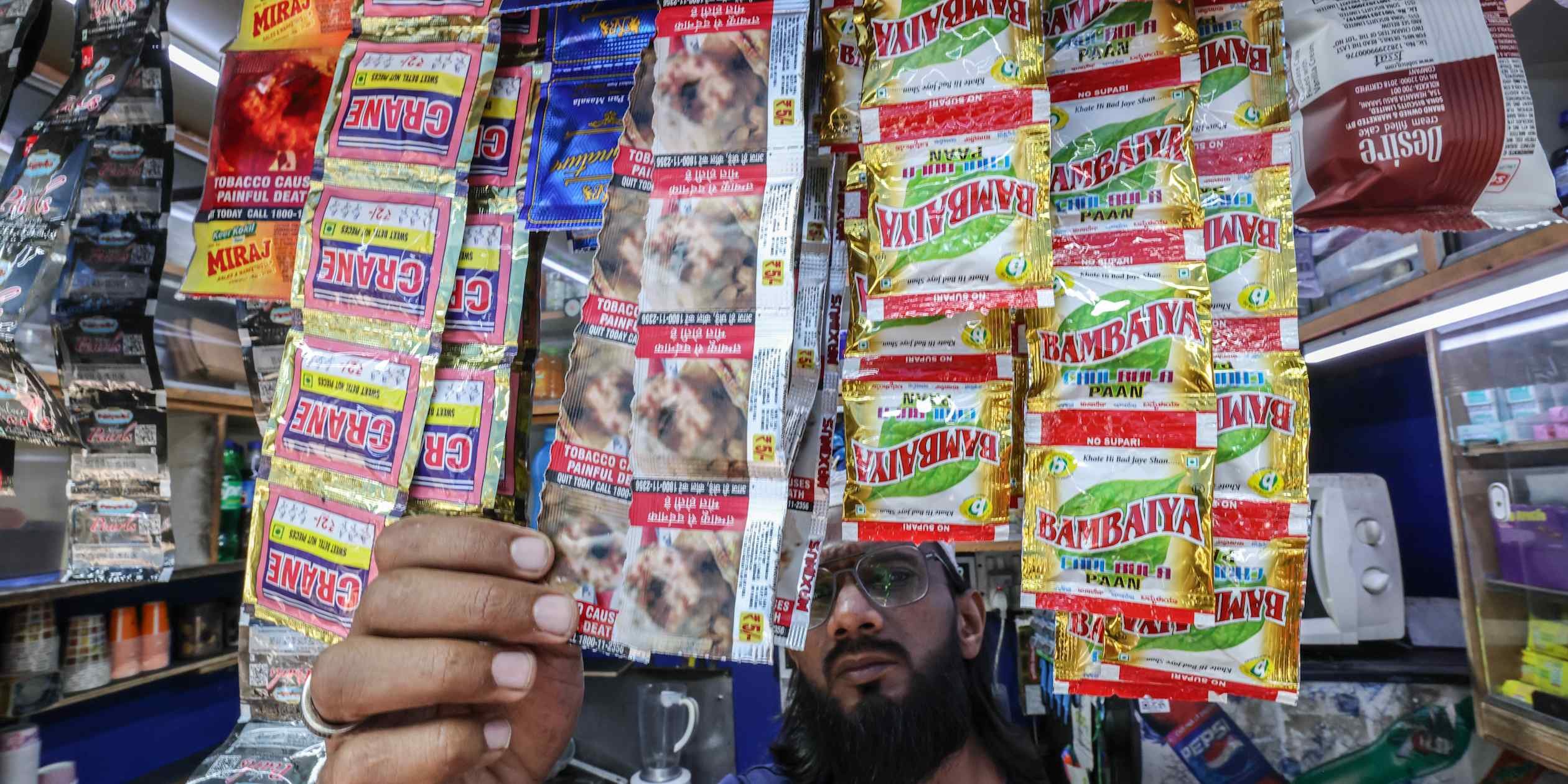
Photo by Ken Kobayashi - A vendor offers separate packets of chewing tobacco, which carry health warnings, and betel nut-based mixes for sale in Bengaluru on Jan. 30: India's 2011 ban on the sale of blends of tobacco and betel nut has had little impact.
Comments
Please log in or register to join the discussion