
The FDA's groundbreaking pilot program leverages AI and cloud computing to establish real-time clinical data feeds, potentially revolutionizing drug approval processes while raising important questions about data security and regulatory oversight.
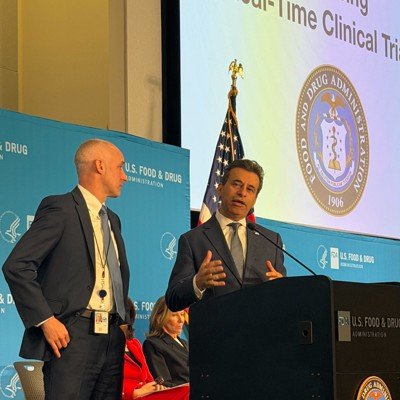
The U.S. Food and Drug Administration (FDA) has launched a pioneering initiative that could fundamentally reshape the landscape of pharmaceutical development and approval. By implementing a pilot program that combines artificial intelligence with cloud computing to establish "direct data feeds" to real-time clinical data, the agency aims to significantly shorten the traditionally lengthy drug approval timelines. This first-of-its-kind approach represents a significant shift toward more dynamic, data-driven regulatory processes that could bring life-saving treatments to patients faster than ever before.
The traditional drug approval process has long been characterized by its extensive duration, often requiring 10-15 years from initial research to market availability. This lengthy timeline stems from the FDA's rigorous evaluation requirements, which include multiple phases of clinical trials, extensive documentation, and thorough safety and efficacy assessments. While these safeguards are essential for protecting patient safety, they can also delay access to potentially beneficial treatments, particularly for patients with serious or life-threatening conditions.
The FDA's new pilot program directly addresses this challenge by creating a technological infrastructure that enables continuous monitoring and analysis of clinical trial data as it's generated. Rather than waiting for periodic reports and submissions, the agency would have access to a constant stream of information, allowing for more proactive oversight and potentially earlier identification of both benefits and risks.
At the core of this initiative is the integration of AI algorithms capable of processing and interpreting vast amounts of clinical data in real-time. These systems can identify patterns, detect anomalies, and flag potential issues that might not be apparent through traditional review methods. By leveraging machine learning models trained on historical data, the AI can help distinguish between normal variations and concerning trends, potentially accelerating the approval process without compromising safety standards.
The cloud computing component of the pilot is equally crucial, as it provides the scalable infrastructure necessary to handle the massive data volumes generated by modern clinical trials. Cloud platforms enable secure storage, processing, and analysis of data from multiple sources, facilitating collaboration between the FDA, pharmaceutical companies, and research institutions. This distributed approach also enhances data accessibility for authorized personnel while maintaining appropriate security measures.
The implications of this initiative extend beyond mere efficiency gains. By reducing approval timelines, the FDA could potentially make treatments available to patients years earlier than under the current system. This acceleration could be particularly transformative for therapies addressing unmet medical needs, such as rare diseases or rapidly evolving conditions like certain cancers or infectious diseases.
The pilot program also reflects broader trends in healthcare toward real-world evidence and continuous monitoring. Rather than relying solely on controlled clinical trial environments, the FDA's approach incorporates data from actual clinical settings, providing a more comprehensive understanding of how treatments perform in diverse patient populations. This shift toward real-world data could lead to more nuanced regulatory decisions and post-market surveillance that better reflects actual treatment outcomes.
However, the implementation of such a technologically advanced system raises important questions and considerations. Data security and privacy are paramount concerns, as the system will handle sensitive patient information and proprietary clinical data. The FDA will need to establish robust safeguards to prevent breaches while maintaining the accessibility required for effective oversight.
Another consideration is the potential for algorithmic bias in AI systems. If the training data used to develop these algorithms lacks diversity, the AI might inadvertently perpetuate biases in clinical trial design or analysis. The FDA will need to ensure that its AI systems are developed and validated with appropriate attention to fairness, transparency, and accountability.
The regulatory framework for AI in healthcare is still evolving, and the FDA's pilot program will need to navigate this changing landscape. The agency will need to establish clear guidelines for how AI-generated insights will be used in decision-making processes, ensuring that human oversight remains central to the approval process while leveraging technological efficiencies.
The pharmaceutical industry's response to this initiative will also be telling. Companies may need to adjust their clinical trial methodologies and data collection practices to align with the FDA's new approach. Those who can effectively adapt to this more dynamic regulatory environment may gain a competitive advantage in bringing therapies to market.
From a broader perspective, the FDA's pilot program represents a significant step toward modernizing regulatory processes in an era of rapid technological advancement. By embracing AI and cloud computing, the agency demonstrates its commitment to evolving its methods while maintaining its core mission of protecting public health.
The success of this pilot could influence regulatory approaches beyond pharmaceuticals, potentially setting precedents for how AI and real-time data can be incorporated into other areas of healthcare regulation. It may also inspire similar initiatives in other countries, creating a global shift toward more data-driven regulatory frameworks.
As with any technological innovation in healthcare, the balance between innovation and caution will be critical. The FDA's pilot program offers a promising path toward more efficient drug approvals, but its ultimate success will depend on careful implementation, ongoing evaluation, and continuous refinement based on real-world experience.
The initiative comes at a time when public and political pressure is increasing for faster drug approvals, particularly for treatments addressing urgent health challenges. By proactively developing this technological solution, the FDA positions itself to meet these expectations while upholding its commitment to scientific rigor and patient safety.
Looking ahead, the FDA's pilot program could serve as a model for how regulatory agencies can leverage emerging technologies to fulfill their missions more effectively. As AI and cloud computing continue to advance, we may see further innovations in regulatory processes that benefit both industry and patients alike.
The future of drug approval may well be characterized by greater integration of real-time data, AI-driven insights, and continuous monitoring—a future that promises to bring life-saving treatments to patients more quickly without compromising the safety and efficacy standards that remain essential to public health.
Comments
Please log in or register to join the discussion