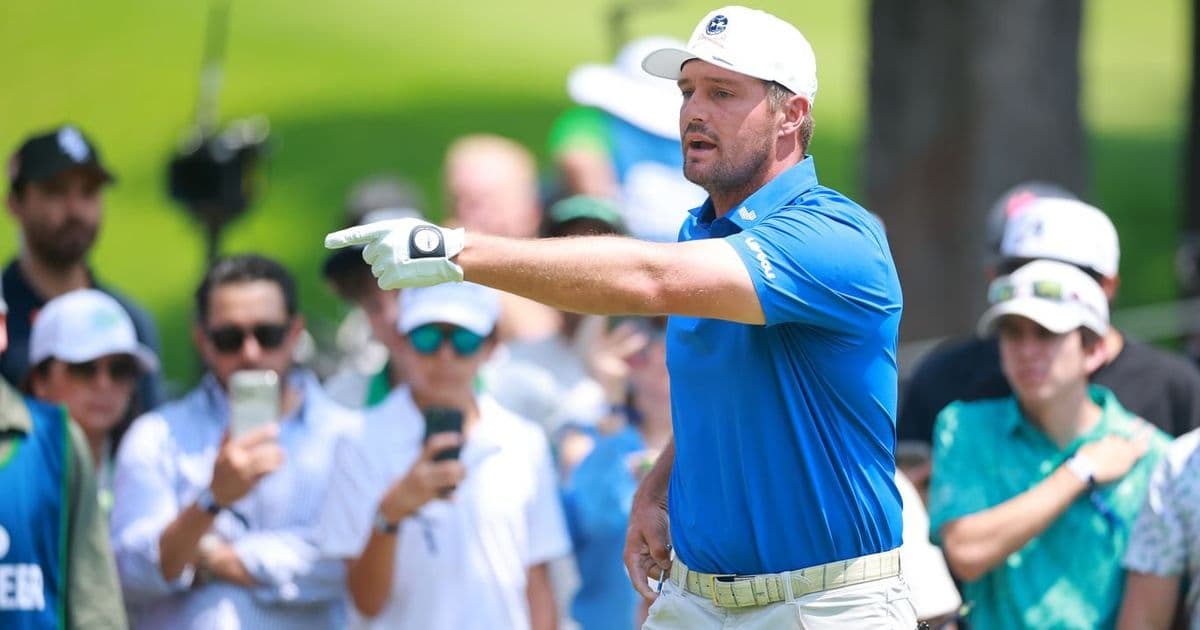
The breakaway golf tour, which disrupted professional golf with massive financial commitments, faces an uncertain future after reportedly losing its primary funding source from Saudi Arabia's Public Investment Fund.
LIV Golf reportedly loses Saudi funding as tour's future looks murky
The breakaway golf circuit backed by Saudi Arabia's Public Investment Fund (PIF) has lost its primary funding source, throwing the future of the controversial tour into question, according to multiple reports. The development represents a significant shift in the landscape of professional golf and raises questions about the financial viability of the upstart league that challenged the established PGA Tour.
Financial Context and Scale of Investment
Since its launch in 2022, LIV Golf has committed approximately $2 billion to prize money, player contracts, and operational expenses, according to financial analysts tracking the tour. The funding came primarily from Saudi Arabia's PIF, which invested approximately $750 million to acquire a 93% stake in the tour, according to regulatory filings cited by financial news outlets.
The league signed dozens of high-profile players to lucrative contracts, with some reports indicating that top players like Dustin Johnson, Brooks Koepka, and Phil Mickelson received deals worth $100 million or more over multiple years. The tour's 54-hole format, team-based competition, and elevated purs represented a radical departure from traditional professional golf.
Market Implications
The loss of PIF funding creates immediate financial challenges for LIV Golf. The tour reportedly operated at a significant loss since its inception, with the Saudi government viewing it as part of a broader sports-washing strategy to improve the country's international image. Without this financial backing, LIV Golf would need to generate substantial revenue through traditional means—sponsorships, broadcast rights, and ticket sales—which industry analysts believe would be difficult given the current market conditions.
The golf industry has been experiencing a period of contraction. Traditional golf equipment manufacturers have seen declining revenues, with major companies like TaylorMade and Callaway reporting flat or negative growth in their golf divisions over the past two years. The sport's television ratings have also been challenged by competing entertainment options and demographic shifts.
Strategic Shifts for Stakeholders
For the PGA Tour, which has been engaged in a bitter rivalry with LIV Golf over player poaching and market dominance, the potential collapse of the rival tour could reshape the competitive landscape. The PGA Tour recently announced a strategic framework with the DP World Tour and LIV Golf to create a unified structure, though implementation details remain unclear.
Players who left the PGA Tour for LIV Golf face uncertain futures. Many of these athletes signed contracts with substantial guaranteed payments, but without the deep pockets of the PIF, the financial security of these agreements comes into question. Some players may seek to return to the PGA Tour, potentially creating roster challenges for both organizations.
Global Sports Implications
The situation with LIV Golf represents a broader trend in sports investment, particularly from sovereign wealth funds. Similar investments have been made in other sports, including soccer (Manchester City), tennis (Saudi Tennis Federation), and boxing, with varying degrees of success. The LIV Golf experiment will likely be studied by sports economists and business schools as a case study in sports financing and the challenges of disrupting established sports ecosystems.
For Saudi Arabia, the potential withdrawal from funding LIV Golf may signal a shift in its sports strategy. The kingdom has invested heavily in sports as part of its Vision 2030 economic diversification plan, but the return on these investments has been scrutinized. The PIF, which manages assets estimated at over $700 billion, may be reassessing its sports portfolio amid changing global perceptions and economic realities.
Future Scenarios
Industry analysts suggest several potential outcomes for LIV Golf in the post-PIF funding era:
Acquisition by a different entity: The tour could be purchased by another investor or consortium, though finding a buyer willing to assume its financial obligations would be challenging.
Significant scale-back: LIV Golf might dramatically reduce its operations, cutting events, prize money, and player contracts to a more sustainable level.
Merger with existing tours: The most likely scenario involves some form of integration with the PGA Tour or other existing golf tours, creating a more unified professional golf landscape.
Complete dissolution: In the worst-case scenario, LIV Golf could cease operations entirely, with players returning to other tours and assets liquidated.
The golf world will be watching closely as these developments unfold, with implications that extend far beyond the fairways and greens to the broader business of sports entertainment.
Comments
Please log in or register to join the discussion