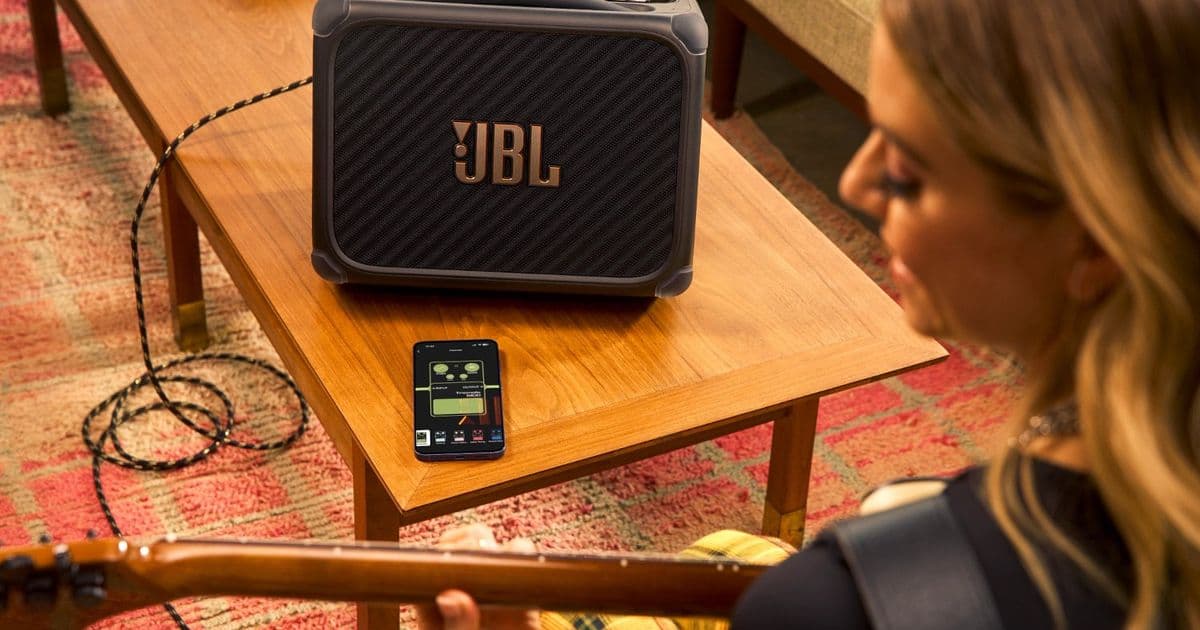
JBL's new BandBox series merges traditional amplification with modern AI features, offering musicians real-time vocal and instrument separation for $249 and $599.
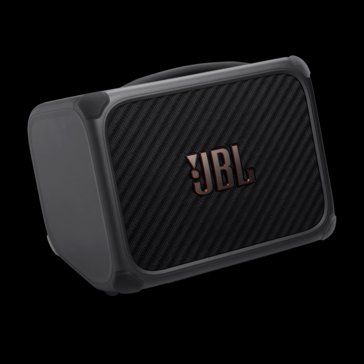
JBL is entering the musician practice space with two new hybrid devices that combine amplifiers with portable Bluetooth speakers and AI-driven audio processing. The BandBox Solo and BandBox Trio, launching in February 2026 at $249 and $599 respectively, introduce "Stem AI" technology that can isolate or remove individual song components like vocals, guitar, or drums in real-time. This allows players to practice or perform over backing tracks with specific elements removed, creating space for their own instrument.
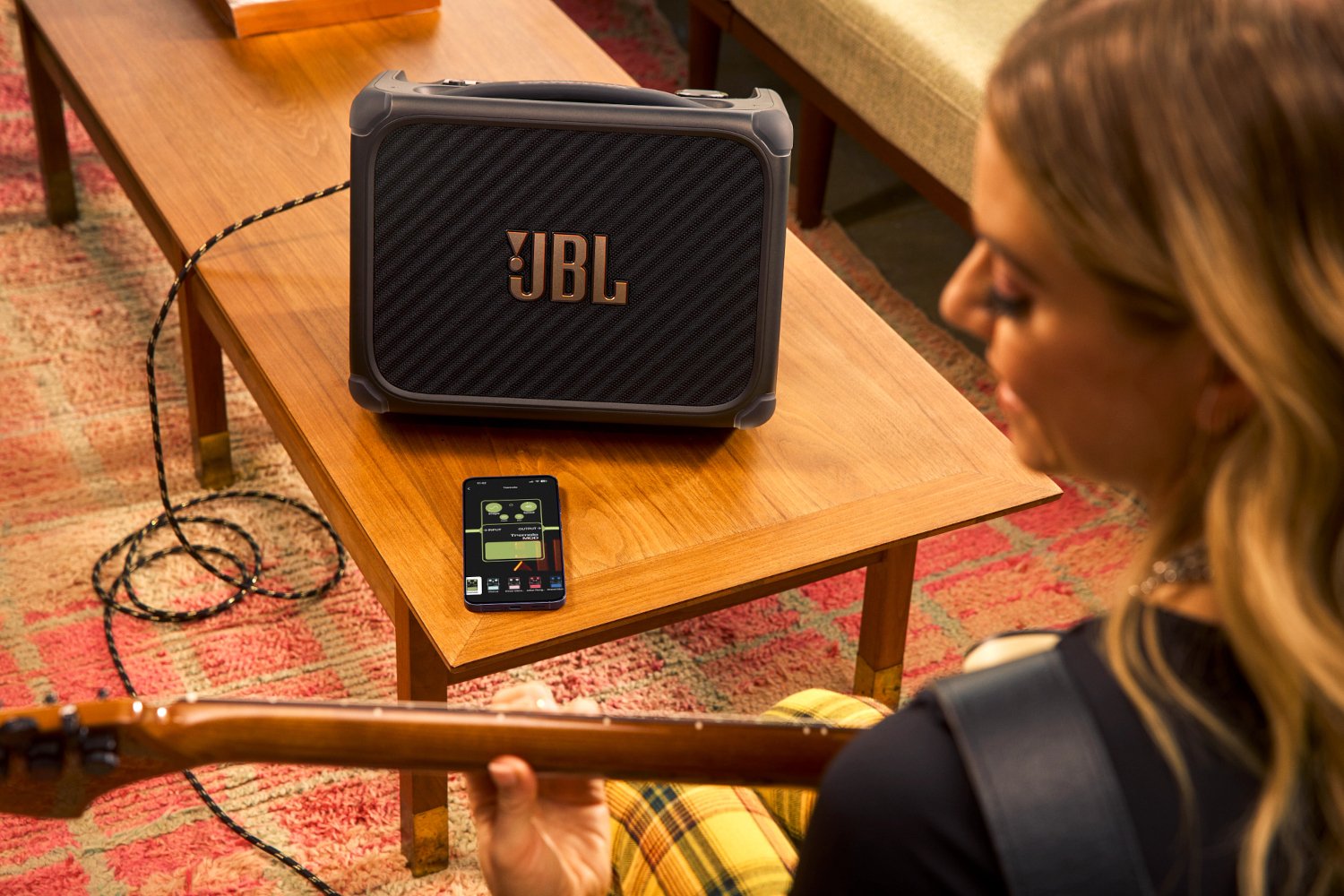
What's New: AI Stem Separation Meets Amplification
The core innovation is JBL's Stem AI technology, which performs real-time separation of mixed audio tracks. Unlike traditional backing tracks that require pre-made instrumental versions, this system analyzes any song and can selectively reduce or remove specific elements while keeping the rest intact. A guitarist could remove all guitar parts from a track, leaving vocals, bass, and drums, then play along with their own guitar. A singer could remove vocals to practice harmony parts.
This processing happens on-device with low latency, according to JBL, making it practical for live performance scenarios. The system also includes integrated effects like reverb, phaser, and chorus, plus a looper, pitch shifter, and tuner. All features are controlled through the JBL One app, which provides a unified interface for managing both the AI processing and traditional amp functions.
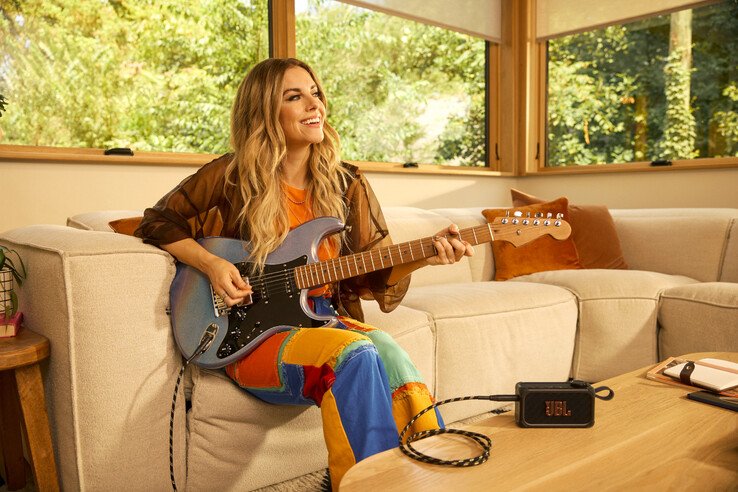
BandBox Solo: Compact Solution for Solo Musicians
The BandBox Solo targets individual performers with 18 watts RMS output. It includes one guitar input and one microphone input, making it suitable for singer-songwriters, guitarists, and hobby musicians. The compact form factor suggests it's designed for bedroom practice, small jam sessions, or portable gigging where space is limited.
Beyond the core AI features, the Solo includes USB-C connectivity for direct audio transmission to and from laptops. This allows musicians to record processed audio directly into their DAW or stream backing tracks from their computer without additional cables. The built-in tuner and pitch shifter add practical value for practice sessions.
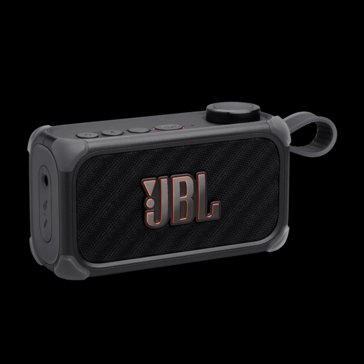
BandBox Trio: Enhanced Features for Multi-Instrumentalists
The BandBox Trio steps up significantly in power and flexibility. With 135 watts RMS driving a 6.5-inch woofer and two 1-inch tweeters, it's designed for louder practice environments or small performances. The key upgrade is a four-channel mixer with four instrument inputs, allowing multiple musicians to connect simultaneously.
The Trio also adds a replaceable battery system, providing up to 10 hours of playback. This makes it genuinely portable for busking or outdoor jam sessions. A color LCD screen provides visual feedback for settings and effects, which is more intuitive than relying solely on the app. Enhanced adjustments for level, tone, and effects give more granular control over the sound.
How They Compare: Entry vs. Professional Tier
Both devices share the same AI stem separation technology, but the Solo is clearly positioned as an individual practice tool while the Trio serves more serious musicians and small groups. The Solo's 18 watts is adequate for bedroom use but would struggle in a band setting. The Trio's 135 watts and multi-input mixer can handle ensemble play.
The replaceable battery in the Trio is a significant advantage for mobile musicians, while the Solo's USB-C connection favors studio integration. Price difference is substantial: $249 vs $599, putting them in different budget categories. The Trio also includes microphone effects that the Solo lacks, according to the specification list.
Both devices maintain JBL's signature sound quality, which is important for accurate monitoring. Musicians need to hear their instrument clearly without coloration, and JBL's speaker heritage suggests they've prioritized flat response for these models.
Who It's For
BandBox Solo: Ideal for solo musicians who need a compact, all-in-one practice solution. Singer-songwriters can plug in guitar and vocals, apply effects, and use the AI to create custom backing tracks. Bedroom producers can use the USB-C connection for DAW integration. At $249, it's priced competitively against multi-effects pedals and small practice amps.
BandBox Trio: Suited for serious hobbyists, small bands, and gigging musicians. The four-channel mixer allows a guitarist, bassist, keyboardist, and vocalist to all connect simultaneously. The battery power enables busking or outdoor performances. The 135-watt output is sufficient for small venues. The $599 price reflects the enhanced capabilities but requires a commitment to the platform.
Trade-offs and Considerations
The AI stem separation technology is the main differentiator, but its effectiveness depends on the source material. Complex, dense mixes may separate less cleanly than simpler arrangements. JBL hasn't specified the processing latency, which matters for live performance. If the AI introduces noticeable delay, it could be problematic for tight rhythm sections.
The reliance on the JBL One app for control could be a limitation if the app isn't well-maintained or if users prefer hardware controls. The Solo's lack of battery power limits its portability compared to the Trio. Both devices are entering a crowded market of digital amps and practice tools, so the AI features must be genuinely useful to justify the investment.
Pricing positions these as premium practice tools. The Solo at $249 competes with established practice amps like the Boss Katana Mini ($229) or Fender Mustang Micro ($119), though those lack AI features. The Trio at $599 faces competition from full-sized combo amps and PA systems, but again, the AI processing is unique.
Availability in February 2026 gives musicians time to evaluate early reviews. JBL's reputation for build quality and sound is strong, but these devices represent a new category that blends consumer audio with professional music tools. Success will depend on how well the Stem AI technology performs in real-world use cases.
The BandBox series reflects a broader trend of AI integration in consumer audio products. While AI has been used for noise cancellation and room correction, real-time stem separation for musical applications is relatively new. If JBL's implementation proves reliable, it could influence how other manufacturers approach practice and performance gear.
For musicians considering these devices, the key question is whether the AI features solve a real problem. If you regularly wish you could remove specific instruments from songs to practice over them, or if you need a portable rig with built-in backing track generation, the BandBox series offers something genuinely new. If you just need basic amplification, traditional options remain more cost-effective.
JBL's BandBox Solo and Trio represent an ambitious fusion of consumer audio and musician tools. The February 2026 launch will reveal whether the AI technology delivers on its promise and justifies the premium pricing.
Comments
Please log in or register to join the discussion