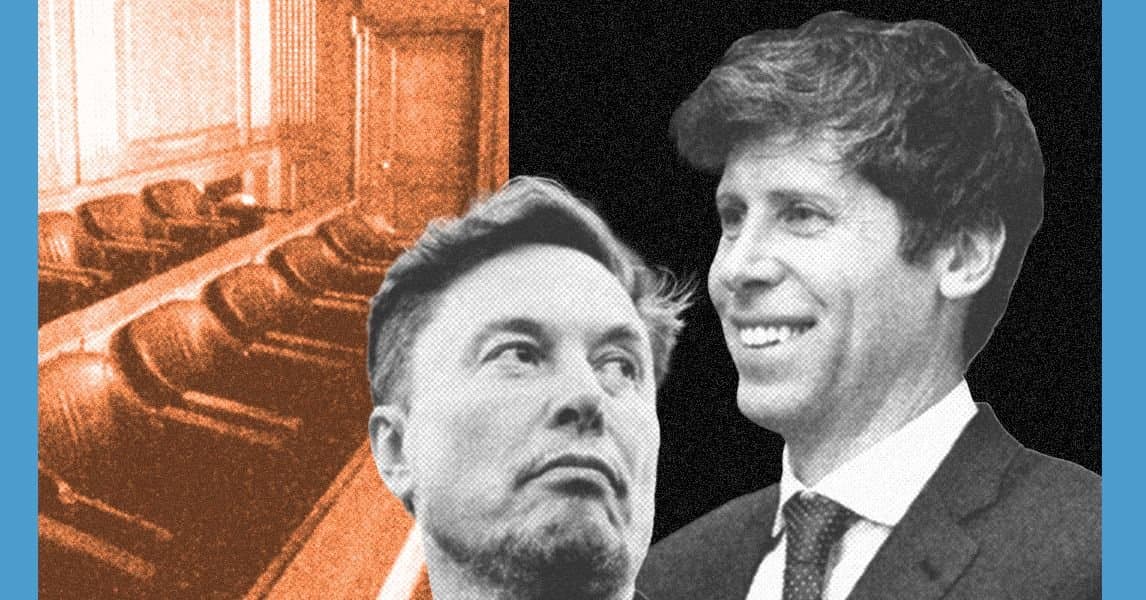
In the high-stakes legal battle between Elon Musk and Sam Altman, selected jurors expressed concerns about both Musk and AI technology but assured the court they would remain impartial during the proceedings.
The jury selection process for the closely watched Musk v. Altman trial concluded Monday with the seating of a nine-person panel at a federal courthouse in Oakland, California. While the selection revealed some jurors harboring negative views toward Elon Musk and artificial intelligence, all ultimately assured the court they could set aside these concerns and render a fair verdict.
The trial represents a significant legal confrontation between two prominent figures in the technology industry who were once collaborators before becoming rivals. Musk, founder of Tesla, SpaceX, and X (formerly Twitter), initiated legal action against OpenAI CEO Sam Altman and co-founder Greg Brockman, who were both present in the courtroom during jury selection.
During the voir dire process, potential jurors were questioned about their preconceived notions regarding both Musk and AI technology. Several jurors acknowledged negative feelings toward Musk, while others expressed skepticism about AI development and its potential societal impacts. Despite these admissions, all selected jurors affirmed their ability to evaluate the case based solely on the evidence presented in court.
"This is a case that requires jurors to set aside strong personal feelings, both about the individuals involved and about the technology at the center of the dispute," said legal analyst Sarah Jenkins, who has been following the case. "The fact that jurors acknowledged these biases upfront rather than hiding them is actually a positive sign for the integrity of the process."
The Musk v. Altman lawsuit stems from disagreements over OpenAI's direction and its relationship with Musk, who was an early investor and board member before leaving the organization in 2018. The legal battle centers on claims regarding the company's shift from its original nonprofit mission toward a more commercially oriented approach.
Legal experts note that the jury's composition and potential biases could play a crucial role in how they interpret complex technical and contractual matters presented during the trial. The case is expected to involve detailed testimony about AI development practices, corporate governance, and the interpretation of founding agreements.
"When jurors have preexisting views about technology or the individuals involved, they may approach evidence differently," explained Professor Michael Torres, who specializes in technology law at Stanford University. "The challenge will be whether they can compartmentalize those views and focus on the legal merits of the case rather than their personal opinions."
The trial comes at a time when AI technology is facing increasing scrutiny from regulators, courts, and the public. The case could set precedents for how intellectual property and founding agreements in AI companies are interpreted, potentially affecting the broader tech industry.
Both Musk and Altman have significant public profiles that could influence public perception of the case. Musk's often controversial public statements and Altman's position as a leading figure in AI development have created polarized opinions that may have influenced potential jurors.
The court has not specified how long the trial is expected to last, but given the complexity of the issues involved and the high-profile nature of the case, legal observers anticipate it could extend for several weeks. The proceedings will be closely watched by industry stakeholders, investors, and technology policy advocates.
As the trial begins, the ability of the selected jurors to remain impartial despite their acknowledged biases will be closely examined. The case represents not just a legal dispute between two prominent tech figures, but a potential test of how the judicial system handles cases involving cutting-edge technology and high-profile personalities.
Comments
Please log in or register to join the discussion