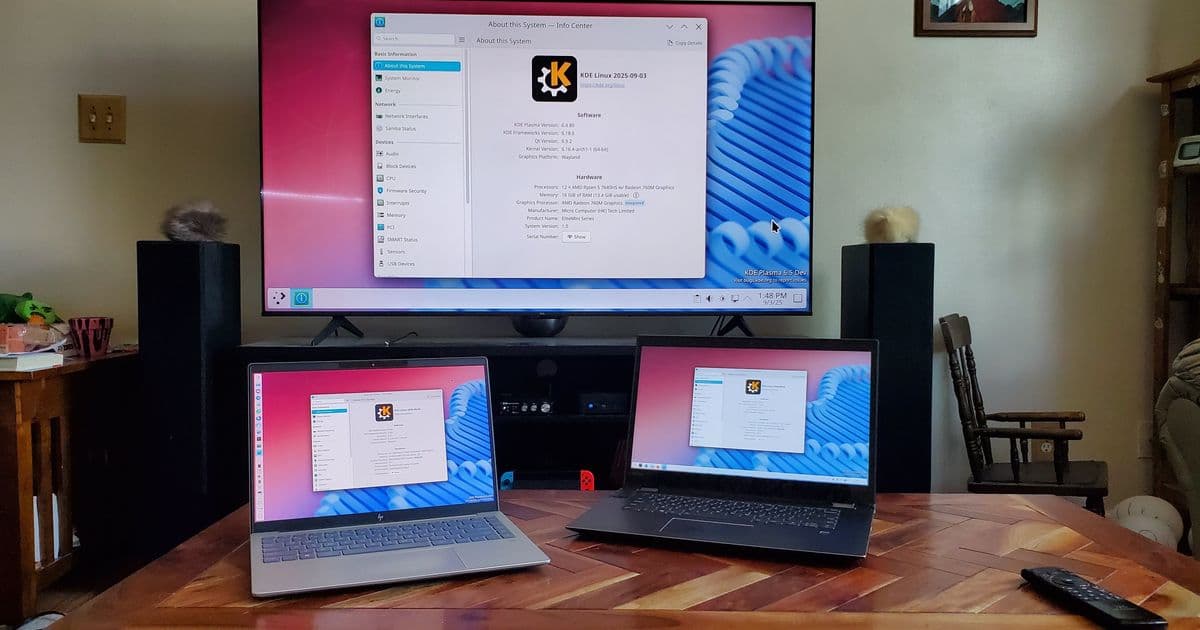
KDE has launched the Alpha version of KDE Linux, a new immutable operating system designed to showcase Plasma and KDE software with modern tech like Flatpak and Btrfs. Built from Arch packages but eschewing traditional package management, it prioritizes safety with rollback capabilities and targets developers and enthusiasts for testing. This move signals KDE's push into self-distribution and could reshape how desktop environments manage software delivery.
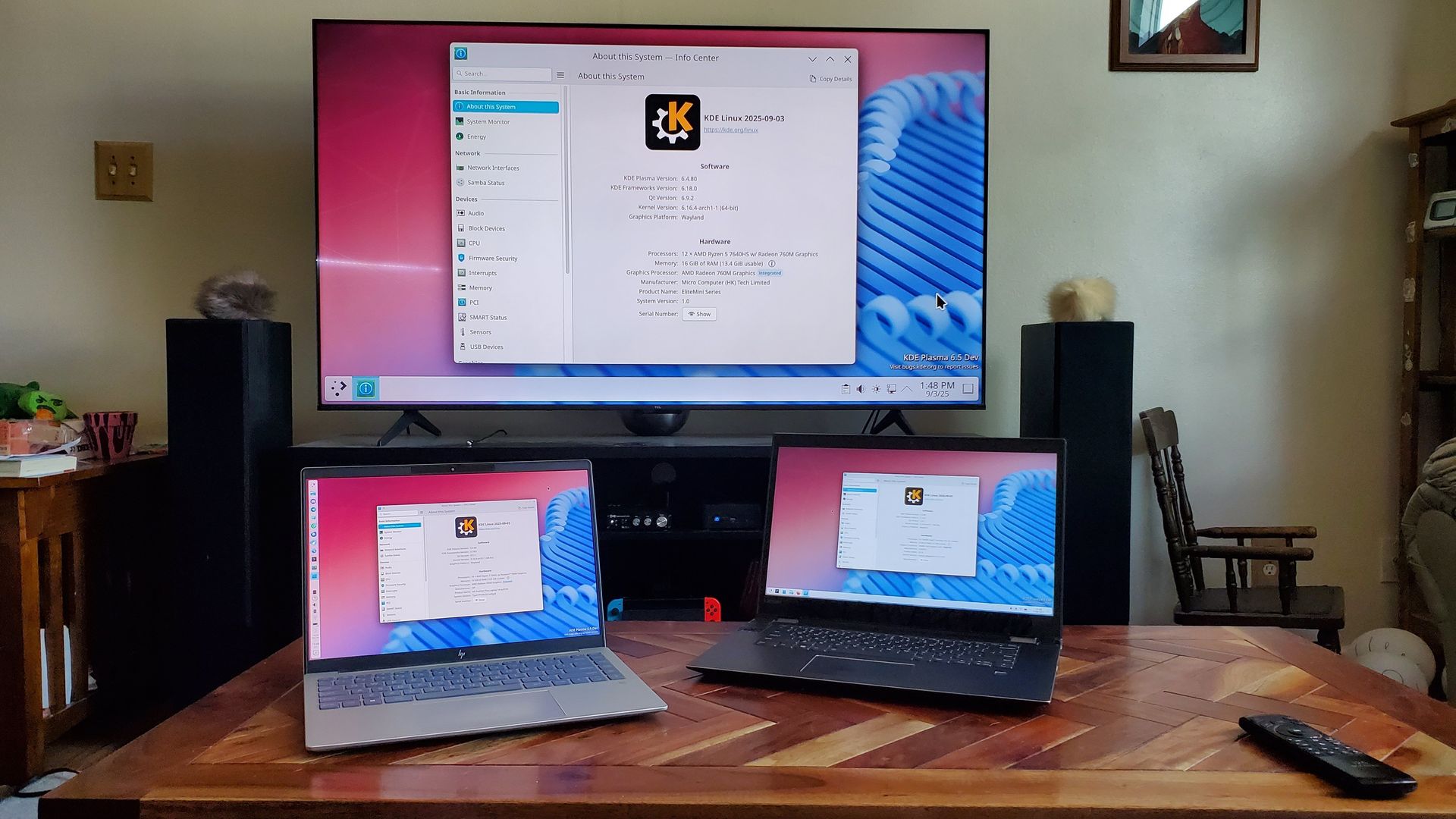
KDE has officially entered the operating system arena with the Alpha release of KDE Linux, a bold new project designed to redefine how KDE software is experienced and developed. Announced by Nate Graham on September 6, 2025, this isn't just "another distro"—it's an immutable, image-based system leveraging Arch packages, built entirely around showcasing Plasma and KDE applications while embracing modern technologies like Flatpak, Btrfs, and Wayland. For developers and power users, it offers a tantalizing blend of stability, safety, and a direct pipeline to KDE's evolving ecosystem.
The Vision Behind KDE Linux
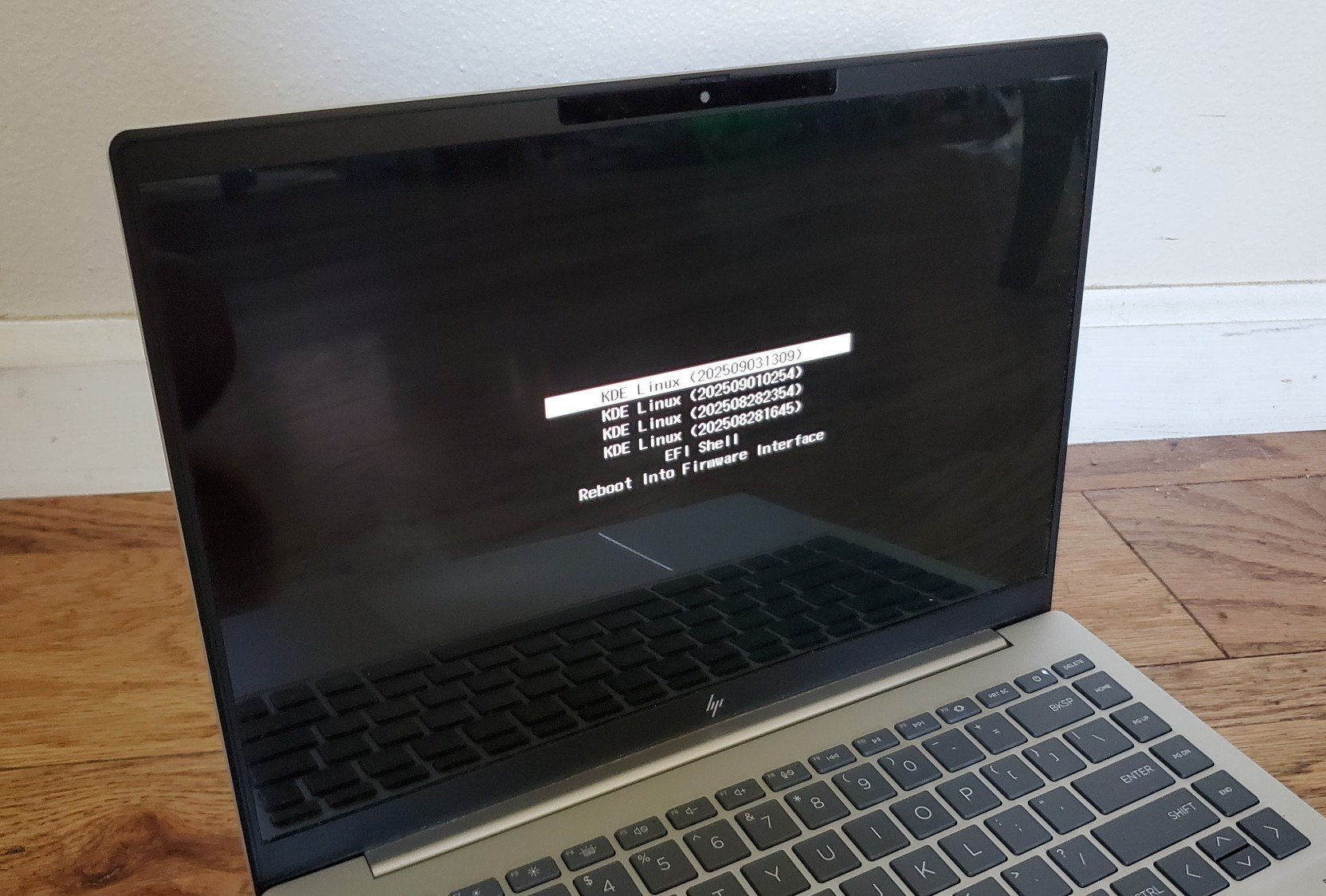
KDE Linux aims to resolve long-standing pain points in traditional Linux distributions. Unlike mutable systems where package conflicts and botched updates can cripple a system, KDE Linux uses a read-only base OS image. Updates replace the entire image atomically, with automatic rollback to previous versions available directly from the boot menu—eliminating the fear of "bricking" your machine during an upgrade. As Nate Graham notes, "It’s our fault if it breaks, not yours. You’ll roll back, yell at us, and we’ll fix it."
The architecture is deliberate:
- Immutable Base:
/usris read-only, ensuring core stability. - Modern Stack: Btrfs for snapshots, Wayland for display, PipeWire for audio, and Systemd for orchestration.
- Software Delivery: Apps primarily come via Flatpak (with Snap support), while CLI tools and libraries use containers (Distrobox/Toolbx) or Homebrew for user-level safety.
Alpha Realities and Developer Appeal
The Testing Edition, now available for QA testers and enthusiasts, includes unreleased KDE software—making it a live preview of future stable releases. It’s already daily-driver ready on diverse hardware, from HTPCs to decade-old laptops. However, the Alpha has limitations: no secure boot, NVIDIA GPU setup hurdles for pre-Turing cards, and papercuts in Discover-based updates. KDE encourages bug reports via invent.kde.org for OS-level issues and bugs.kde.org for application flaws.
For KDE developers, this OS is a game-changer. Compiling software via kde-builder mirrors local dev setups, reducing "works on my machine" bugs. Systemd-sysext allows overlays for testing without destabilizing the base, and deep integration for system apps like Dolphin and Konsole avoids Flatpak sandboxing issues. Graham emphasizes, "This is a test-bed for new technologies—we’re embracing the future, not ignoring it."
Why Not Just Use KDE Neon?
KDE neon, KDE’s existing distribution, isn’t dead but is under-resourced, maintained by a "heroic volunteer." KDE Linux addresses neon’s technological ceilings, offering a fresh approach with immutable design and better tooling. While duplication exists for now, Graham suggests neon may transition as KDE Linux evolves. The project also positions KDE alongside peers like GNOME and ElementaryOS in controlling their software narrative.
The Bigger Picture: A Shift in Linux Philosophy
KDE Linux challenges the traditional package-management model, which Graham calls "one of our strongest features and our most bitter curse." By locking down the base OS, KDE prioritizes reliability for end-users while empowering developers to innovate atop a stable foundation. Fragmentation in software installation (Flatpak vs. containers vs. Homebrew) remains a wrinkle, but the trade-off—system resilience—could influence broader Linux trends.
As this Alpha rolls out, KDE invites collaboration: test daily drives, tackle high-priority tasks like improving NVIDIA support, or join development via Matrix. In Graham’s words, "New technology is fun! You get to help guide the future." For a community steeped in customization, KDE Linux offers a compelling, safety-first alternative—and a glimpse into the desktop’s next evolution.
Source: Announcing the Alpha Release of KDE Linux by Nate Graham, September 6, 2025.
Comments
Please log in or register to join the discussion