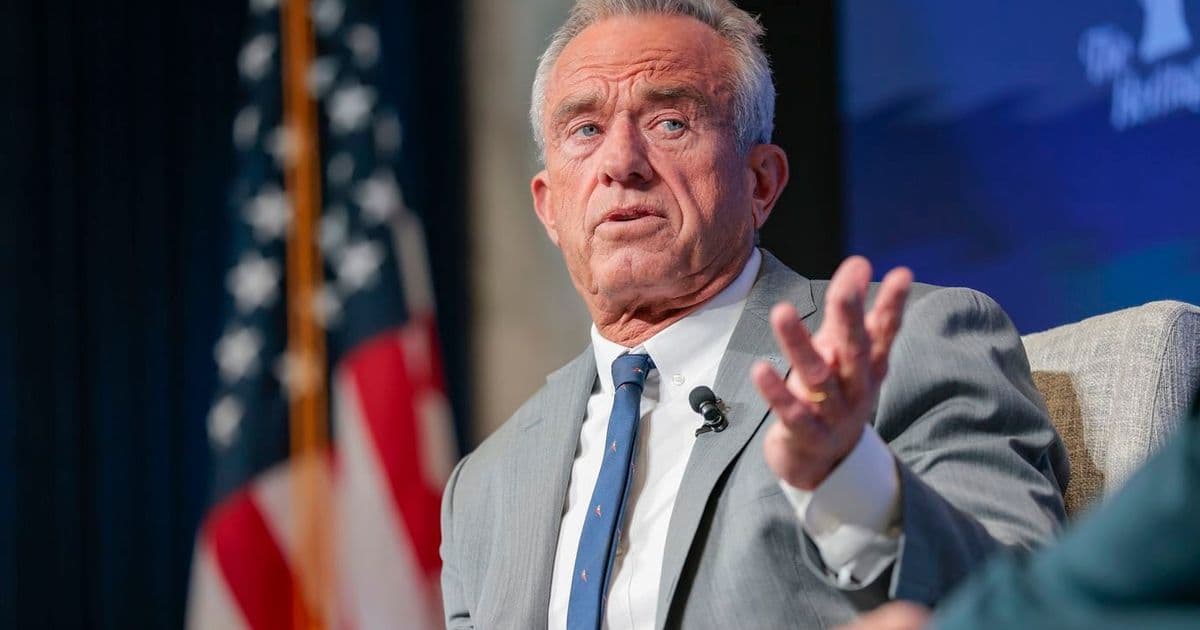
Health Secretary Robert F. Kennedy Jr. has initiated a significant restructuring of senior leadership at the Department of Health and Human Services, positioning the agency for policy shifts as the 2026 election cycle approaches.
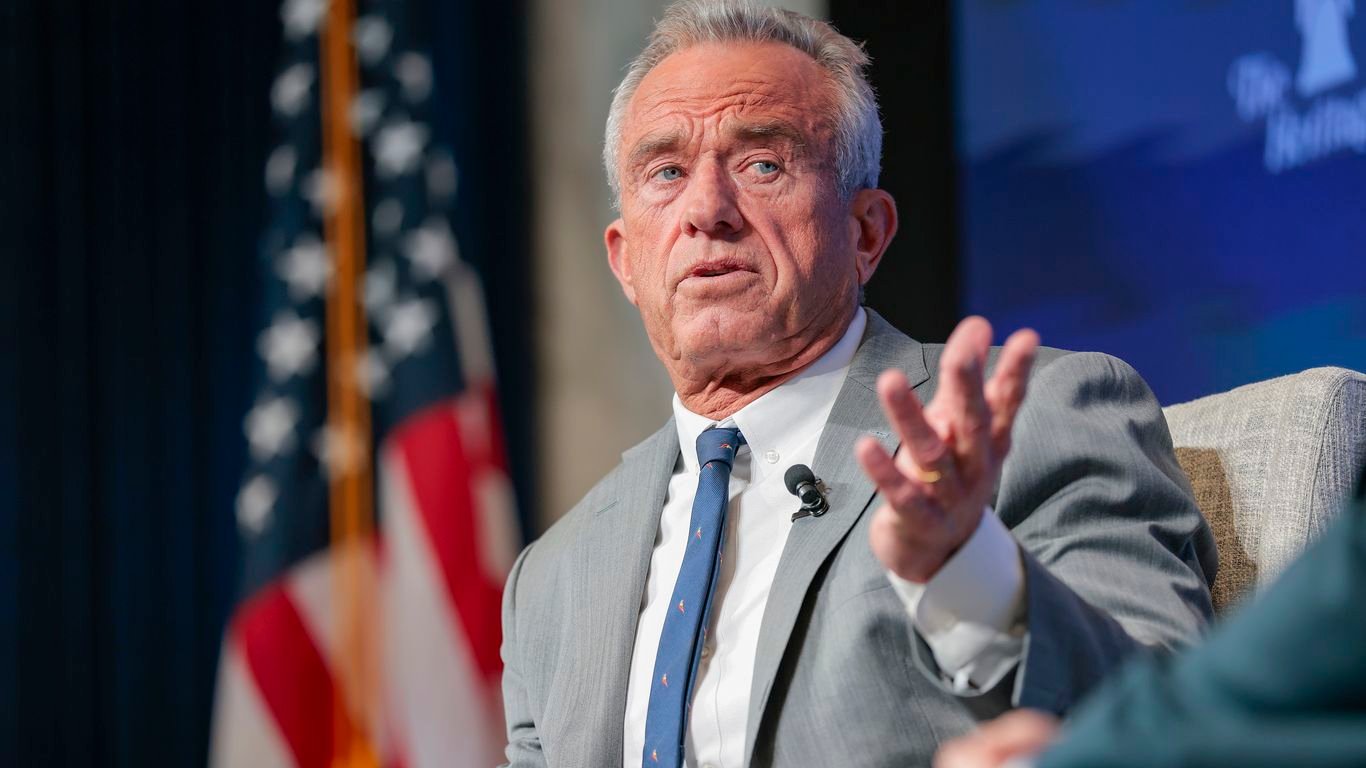
Health Secretary Robert F. Kennedy Jr. has replaced at least six senior officials at the Department of Health and Human Services (HHS) in recent weeks, including the heads of Medicare/Medicaid services and the Administration for Strategic Preparedness. This sweeping leadership change affects agencies controlling over $1.5 trillion in annual healthcare spending.
The restructuring comes amid heightened policy debates around Medicare Advantage plan reimbursements, pharmaceutical pricing regulations under the Inflation Reduction Act, and pandemic preparedness funding. HHS oversees critical healthcare infrastructure including CMS ($1.2T budget), FDA ($6.5B), and CDC ($12B). Staff departures include Principal Deputy Assistant Secretary for Aging Camille Dobson and Assistant Secretary for Financial Resources Maureen Hensley-Quinn.
Industry analysts note the timing suggests strategic positioning before the 2026 midterms, with Kennedy potentially advancing reforms in three key areas:
- Accelerating price transparency rules for hospitals and insurers
- Restructuring value-based care payment models in Medicare
- Realigning public health emergency response protocols
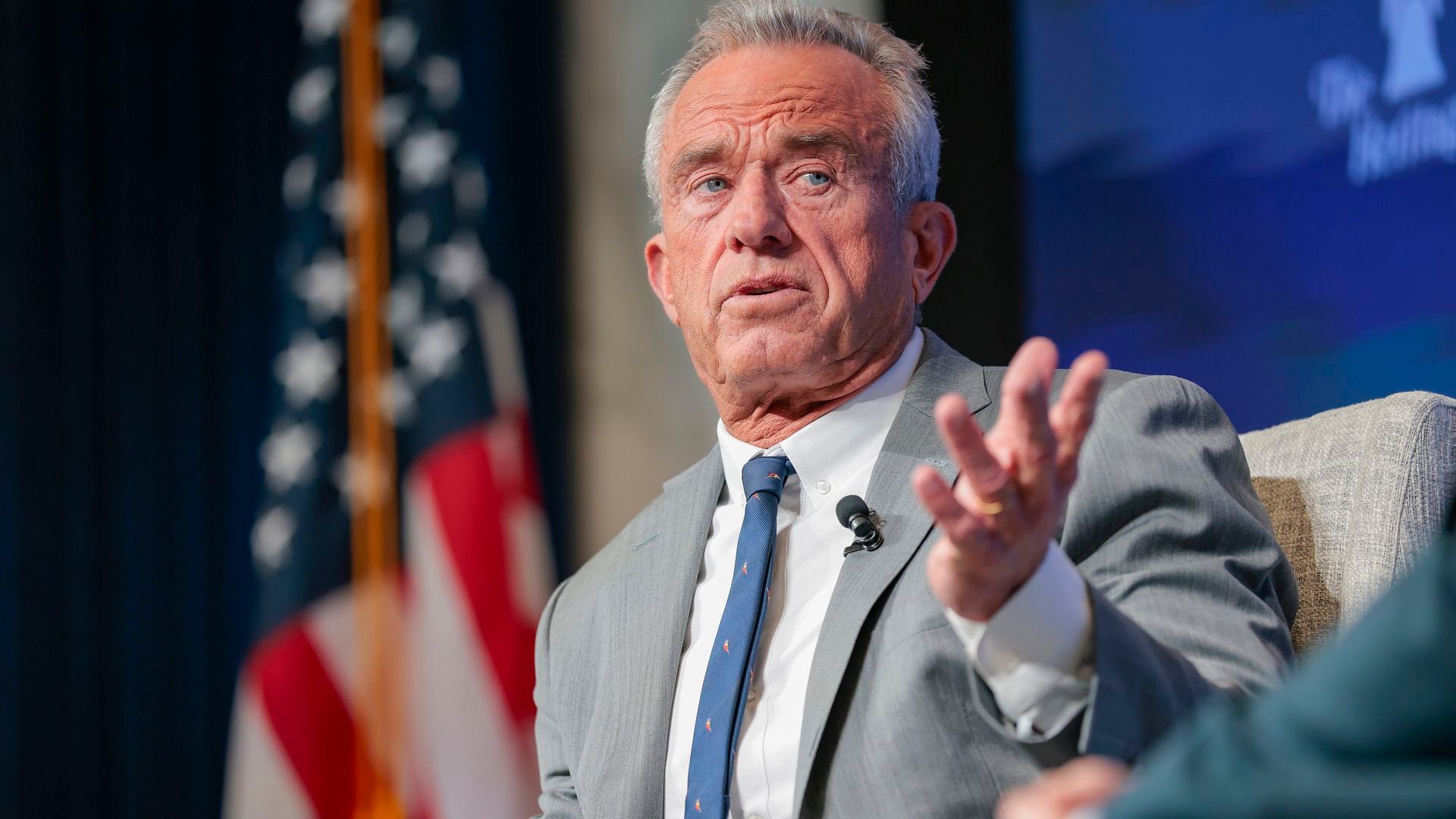
Healthcare stocks showed muted reaction, though hospital operators and Medicare Advantage insurers face heightened regulatory uncertainty. The Centers for Medicare & Medicaid Services faces immediate pressure with its 2025 payment rule deadline approaching in April. Kennedy's recent Heritage Foundation appearance emphasized reducing 'administrative burden,' signaling potential deregulation in upcoming policy implementations.
With HHS controlling 25% of federal discretionary spending, these leadership changes could reshape healthcare market dynamics well before voters approach polling stations. The department's next major policy guidance—expected before Q3—will provide clearer signals about how Kennedy intends to leverage his new team ahead of the election cycle.
Comments
Please log in or register to join the discussion