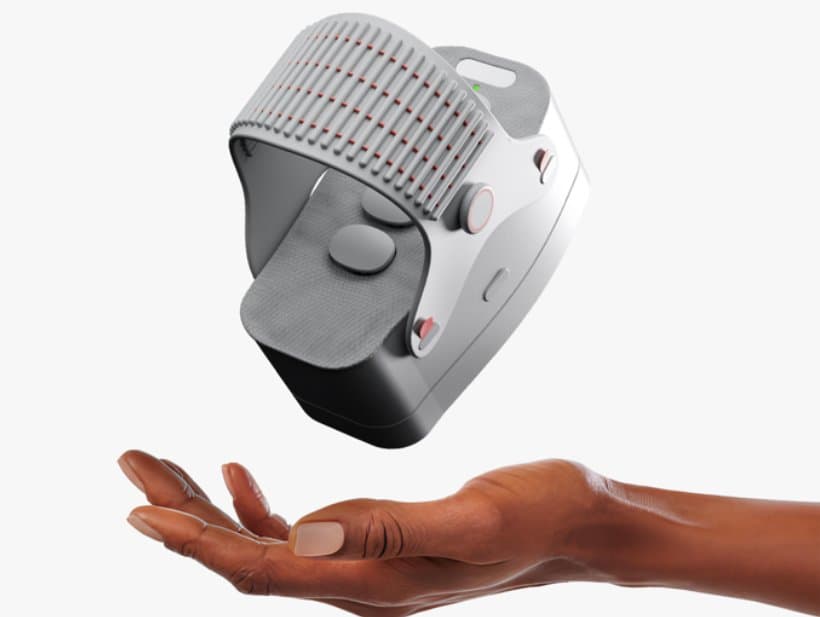
ARCH's new wearable device uses microactuators and biometric sensors to stimulate leg muscles during prolonged sitting, mimicking natural walking motion to improve circulation.
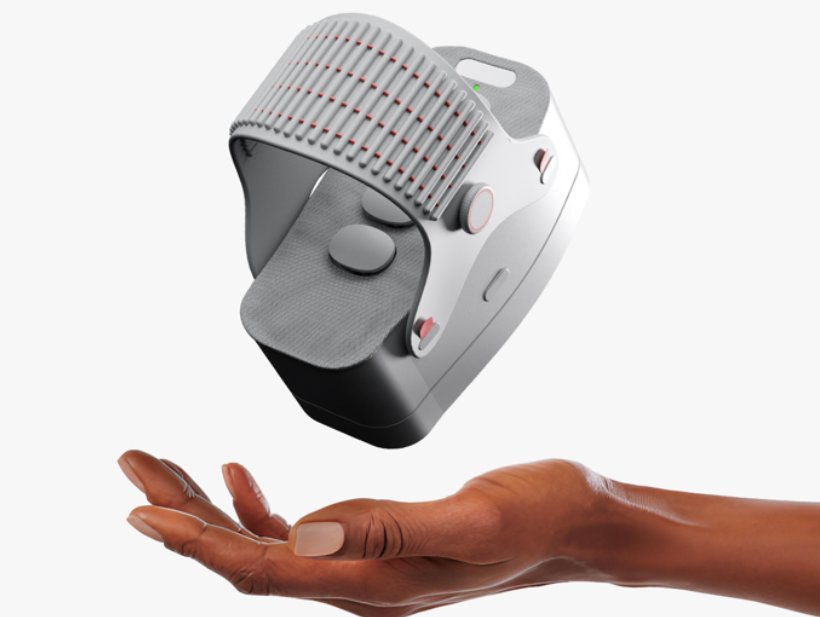
For professionals, travelers, and anyone confined to seated positions for extended periods, the ARCH wearable presents a novel solution to stagnant blood flow in lower limbs. Developed by product engineers acutely aware of modern sedentary challenges—from long-haul flights to marathon coding sessions—this Kickstarter-funded device specifically targets situations where standing breaks aren't feasible.
At its core, ARCH employs an array of microactuators positioned beneath the calf muscles. These actuators deliver precise mechanical pressure (up to 3kg per unit, comparable to gentle thumb pressure) to stimulate the muscle group connected to the Achilles tendon. Unlike basic vibration systems, ARCH's actuators replicate the natural contract-and-release rhythm of walking, actively pumping blood toward the heart.
The system integrates biometric monitoring via embedded sensors tracking heart rate and tissue oxygen saturation (SpO2). This data allows real-time adjustments to the actuation pattern, synchronizing with the user's circulatory rhythm. According to the engineering team, this dynamic calibration enables 37% more frequent blood circulation cycles than static compression devices.
Technical specifications reveal deliberate design choices:
- Force Control: Each microactuator operates independently, allowing targeted muscle engagement
- Biometric Feedback Loop: Adjusts pressure intensity based on real-time SpO2 readings
- Modular Design: Single-unit configuration priced at $594 (early-bird Kickstarter rate)
The decision to sell individual units rather than pairs stems from practical observations. As one engineer noted: "During driving or desk work, legs often have asymmetrical needs. Some users also experience unilateral circulation issues." This approach provides flexibility while lowering the entry barrier compared to $1,188 dual-unit setups.
When benchmarked against passive compression sleeves or generic massagers, ARCH distinguishes itself through:
- Physiological mimicry of walking biomechanics
- Closed-loop biometric adaptation
- Targeted actuation force (3kg vs. competitors' 1-1.5kg range)
Potential users span frequent flyers, remote workers, ride-share drivers, and individuals with mobility restrictions. The technology addresses venous pooling risks associated with 8+ hour seated periods without requiring conscious movement.
The ARCH Kickstarter campaign details clinical validation data and production timelines. Shipping begins Q4 2026 for early adopters.
Comments
Please log in or register to join the discussion