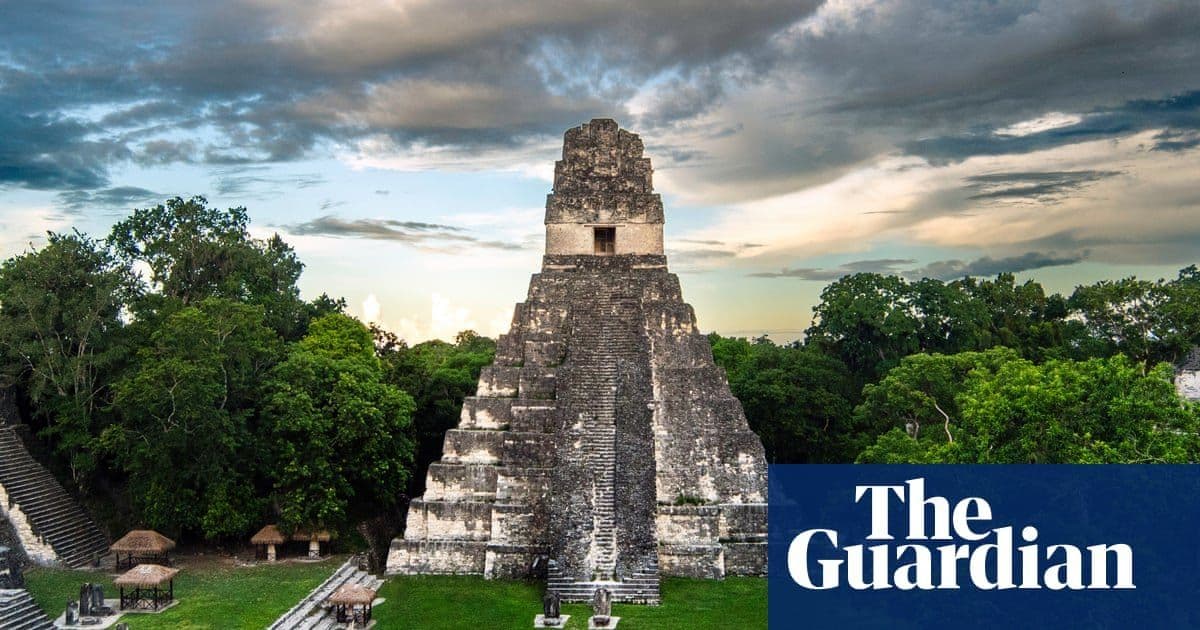
Archaeologists are overturning decades of Maya scholarship by focusing on indigenous continuity rather than societal collapse, revealing sophisticated adaptation strategies.
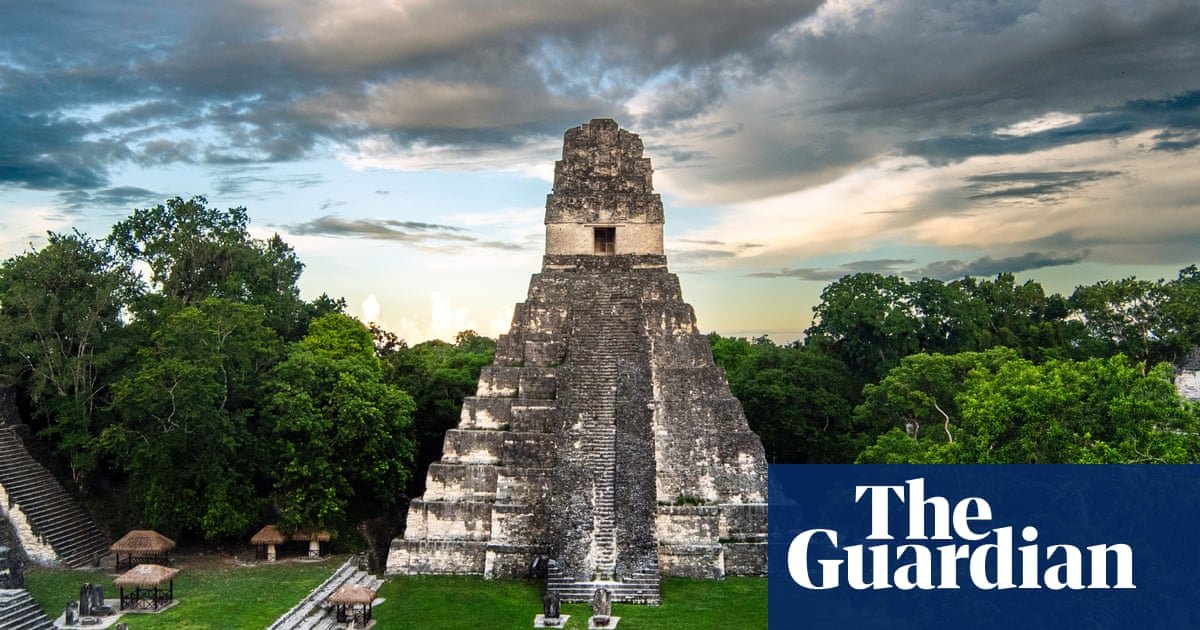
For decades, Maya scholarship centered on a single question: Why did this advanced civilization collapse? The dominant narrative described abandoned cities swallowed by jungles, pointing to environmental mismanagement or warfare as catalysts for downfall. This framework permeated academic circles and popular culture alike, framing the Maya as a cautionary tale of ecological hubris.
Recent archaeological discoveries and indigenous scholarship now challenge this perspective. Teams working across Guatemala's Petén region and Mexico's Yucatán peninsula have uncovered evidence of continuous occupation at sites previously labeled 'abandoned.' Soil analysis shows centuries of sustainable land management around Tikal, while lidar technology reveals interconnected settlements thriving long after supposed collapse periods.
'The collapse narrative reflects Western biases about societal progress,' notes Dr. Alejandra Ruiz, lead researcher at the Tak'alik Ab'aj site. 'What we interpret as abandonment was often strategic relocation. Communities adapted agricultural techniques during droughts, shifted trade routes amid political changes, and maintained cultural practices through oral traditions.'
This paradigm shift coincides with increased collaboration with modern Maya communities, whose oral histories describe continuous adaptation rather than disappearance. The Q'eqchi' people, for instance, preserved hydraulic engineering knowledge through generations, with techniques now being studied for modern water conservation applications.
{{IMAGE:2}}
Technological advances enable this reassessment. Isotope analysis of skeletal remains demonstrates stable nutrition levels throughout supposed decline periods. Epigraphers have decoded previously misunderstood glyphs revealing 'period endings' were political transitions rather than societal failures. At El Mirador, researchers found residential compounds built atop ancient pyramids, indicating cultural continuity spanning centuries.
The new framework views Maya history as cyclical adaptation rather than linear rise-and-fall. During the 9th century transition previously labeled 'collapse,' populations shifted from centralized cities to decentralized networks. Communities developed drought-resistant crops and rainwater harvesting systems that maintained populations through climate shifts.
This research carries contemporary significance. Modern climate scientists study Maya terracing and agroforestry as sustainable land-use models. Urban planners examine how low-density settlements maintained biodiversity. Perhaps most importantly, recognizing Maya resilience counters colonial narratives of indigenous disappearance, empowering descendant communities reclaiming cultural heritage.
As fieldwork continues across 30 active sites, researchers emphasize that Maya accomplishments weren't confined to the Classic Period. Their enduring legacy lies in adaptation strategies that sustained communities through ecological challenges—a narrative of continuity that reshapes our understanding of societal resilience.
Comments
Please log in or register to join the discussion