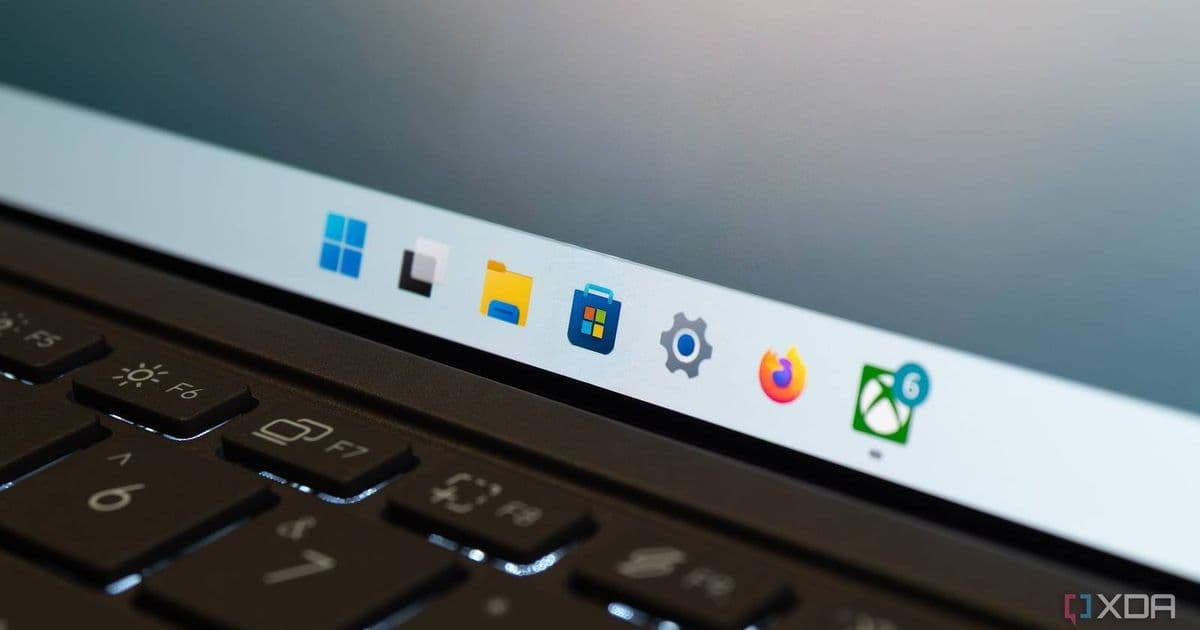
A former Microsoft lead developer has revealed he fought internally to preserve the vertical taskbar option in Windows 11, shedding light on the intense design debates behind Microsoft's controversial OS redesign.
A former Microsoft lead developer has revealed that he "fought hard" to preserve the vertical taskbar option in Windows 11, offering a rare glimpse into the internal debates that shaped Microsoft's most controversial operating system redesign in years.
The Vertical Taskbar Controversy
The vertical taskbar has been a beloved feature for many Windows power users, particularly those who prefer widescreen monitors or use multiple displays. The ability to dock the taskbar on the left or right side of the screen maximizes vertical screen real estate and provides a more efficient workflow for many professionals.
However, when Windows 11 launched in October 2021, Microsoft made the controversial decision to remove the vertical taskbar option entirely, forcing users to keep the taskbar at the bottom of their screens. This decision sparked immediate backlash from the Windows community, with many users expressing frustration over what they saw as a step backward in customization options.
Behind the Scenes at Microsoft
The revelation came from a former Microsoft lead who worked on the Windows 11 project. While the individual's name hasn't been disclosed, their comments provide valuable insight into the internal dynamics at Microsoft during the OS's development.
"I fought hard to keep the vertical taskbar," the former lead reportedly said, highlighting the tension between different design philosophies within the company. This admission suggests that the removal of the feature wasn't a unanimous decision and that there were voices within Microsoft advocating for user choice and customization.
Why Microsoft Made the Change
Microsoft's official stance at the time was that the redesign was part of a broader effort to create a more streamlined, modern, and consistent user experience across devices. The company emphasized that Windows 11 was designed with simplicity and accessibility in mind, particularly for users who might be overwhelmed by too many customization options.
However, critics argued that removing the vertical taskbar was a step away from Windows' traditional strength: flexibility and user control. The decision seemed particularly puzzling given that Windows 10 had supported vertical taskbars for years without any apparent issues.
The Community Response
The Windows community's reaction to the vertical taskbar removal was swift and vocal. Third-party developers quickly stepped in to fill the gap, creating utilities that could restore the vertical taskbar functionality through unofficial means. Tools like StartAllBack and ExplorerPatcher became popular among users who wanted to maintain their preferred workflow.
This community response highlighted a broader issue with Windows 11's design philosophy: the tension between Microsoft's vision for a simplified user experience and the needs of power users who rely on advanced customization options.
Lessons for Future Windows Development
The former lead's revelation raises important questions about how Microsoft approaches user feedback and feature decisions in future Windows releases. The controversy surrounding the vertical taskbar serves as a case study in the challenges of balancing design consistency with user choice.
For Windows 11's successor, Microsoft will likely need to find a middle ground that maintains the clean, modern aesthetic introduced in Windows 11 while preserving the customization options that long-time Windows users have come to expect. The company may also need to improve its communication about why certain features are removed or changed, as the lack of explanation for the vertical taskbar's removal contributed significantly to user frustration.
The Broader Context of Windows Evolution
This incident is part of a larger pattern in Windows' evolution, where Microsoft periodically makes bold design decisions that sometimes alienate portions of its user base. From the Start menu changes in Windows 8 to the telemetry debates in Windows 10, Microsoft has often found itself walking a tightrope between innovation and user satisfaction.
The vertical taskbar controversy specifically highlights the challenges of designing an operating system that must serve both casual users and power users. While simplification may benefit new users, it can frustrate experienced users who have developed workflows around specific features.
Looking Ahead
As Microsoft continues to develop and refine Windows, the lessons from the vertical taskbar controversy will likely influence future design decisions. The company may need to adopt a more nuanced approach to feature removal, perhaps offering advanced options for power users while maintaining a simplified default experience for casual users.
The former lead's admission also suggests that Microsoft's internal culture may be shifting toward greater consideration of user customization needs. Whether this will result in the return of the vertical taskbar in future Windows versions remains to be seen, but the controversy has certainly left a lasting impact on how Microsoft approaches user interface decisions.
For now, Windows users who prefer vertical taskbars continue to rely on third-party solutions, while Microsoft works to balance its vision for Windows' future with the diverse needs of its global user base.
The vertical taskbar debate represents just one chapter in Windows' ongoing evolution, but it serves as a powerful reminder of the importance of user choice in operating system design. As Windows continues to evolve, finding the right balance between innovation and user control will remain one of Microsoft's greatest challenges.
Comments
Please log in or register to join the discussion