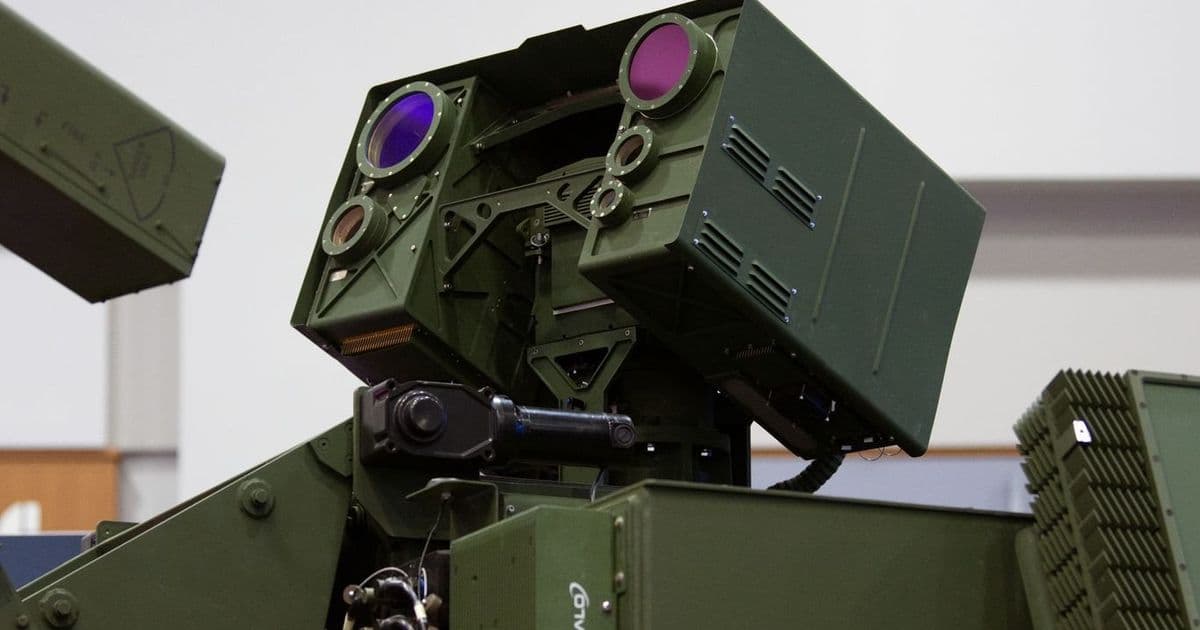
The U.S. Army's LOCUST laser defense system caused significant flight disruptions in El Paso during operational testing, highlighting both the advanced capabilities of directed-energy weapons and the operational challenges of deploying them near civilian infrastructure.
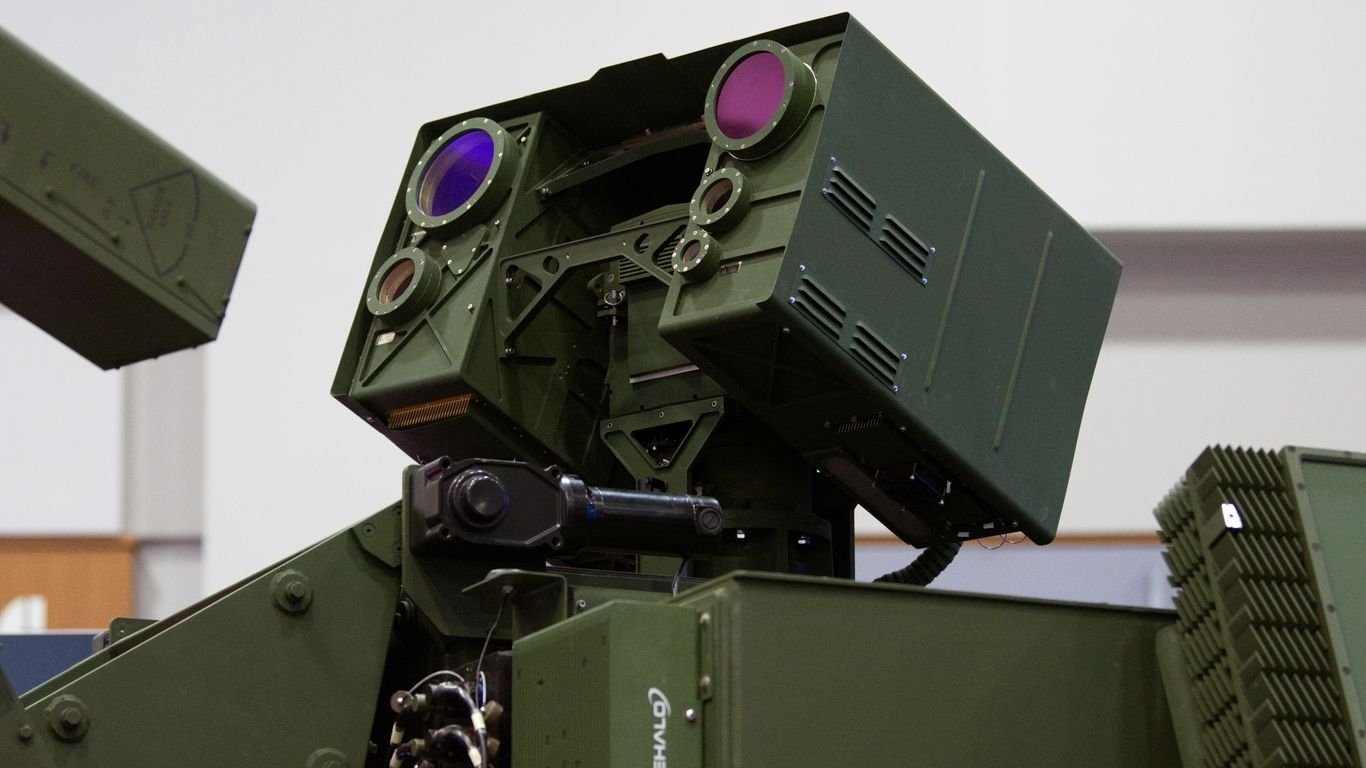
The U.S. Army's Laser Ordnance Countermeasure for Unmanned Systems Technology (LOCUST) system, developed by defense contractor BlueHalo, was responsible for the temporary shutdown of El Paso International Airport airspace on October 15, according to Pentagon confirmation. During a scheduled field test at Fort Bliss, the 50-kilowatt laser system inadvertently interfered with aircraft navigation systems, resulting in 47 flight cancellations and delays affecting over 2,000 passengers across major airlines including American, Southwest, and United.
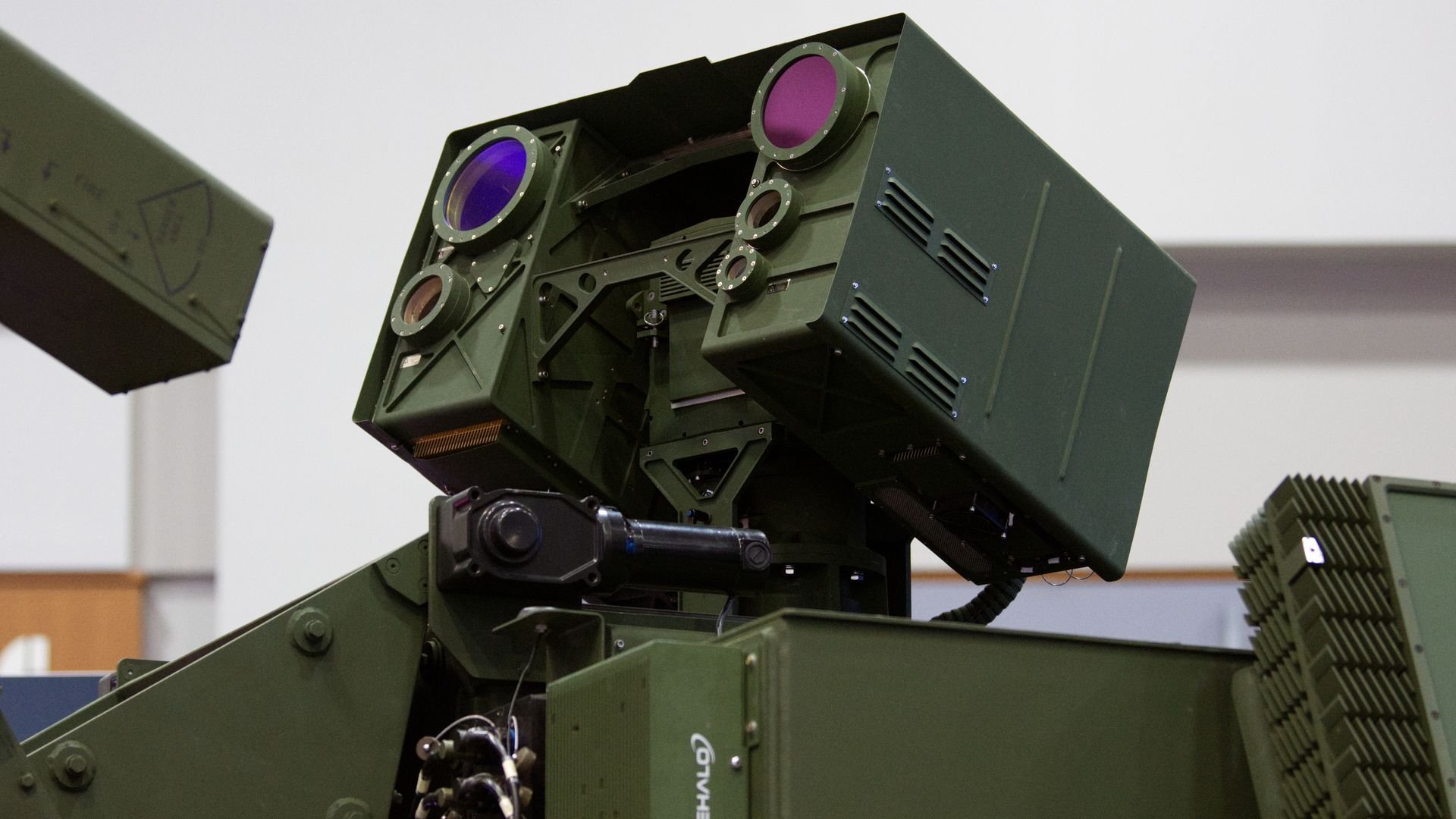
Technical analysis indicates the LOCUST system operates by emitting high-intensity laser beams to physically destroy drone targets at ranges exceeding 3 miles through thermal ablation. Unlike kinetic systems, it offers near-infinite magazine capacity at approximately $10-$15 per shot versus $100,000+ for missile interceptors. The incident occurred when the system's targeting sensors, designed to detect unmanned aerial vehicles (UAVs), created electromagnetic interference that disrupted Instrument Landing Systems (ILS) at the nearby civilian airport 12 miles away.
Market context underscores rapid growth in directed-energy weapons, with global spending projected to reach $11.7 billion by 2027 (CAGR 23.4% from 2022). BlueHalo secured a $1.2 billion Army contract in 2023 for LOCUST development and production, competing against Lockheed Martin's DEIMOS and Raytheon's High Energy Laser Weapon System. The sector's expansion correlates with rising drone threats, evidenced by a 45% year-over-year increase in hostile UAV incidents reported by U.S. forces in conflict zones.
Strategic implications reveal three critical considerations: First, the incident demonstrates effective counter-drone capability but exposes vulnerabilities in electromagnetic spectrum management for deployed systems. Second, it accelerates FAA and DoD collaboration on revised testing protocols, with new joint airspace coordination standards expected within 18 months. Third, defense contractors face pressure to enhance system hardening and signal containment, potentially adding 15-20% to development costs but creating opportunities for firms like BAE Systems specializing in electronic warfare mitigation.
Operational data suggests LOCUST will remain central to Army air defense strategy, with four additional Stryker-mounted systems scheduled for deployment to CENTCOM by 2025. However, this event necessitates $300+ million in signal suppression retrofits across existing platforms and establishes a precedent for military-civilian infrastructure coordination that will influence future testing of high-power systems like the Navy's HELIOS and Air Force's SHiELD programs.
Comments
Please log in or register to join the discussion