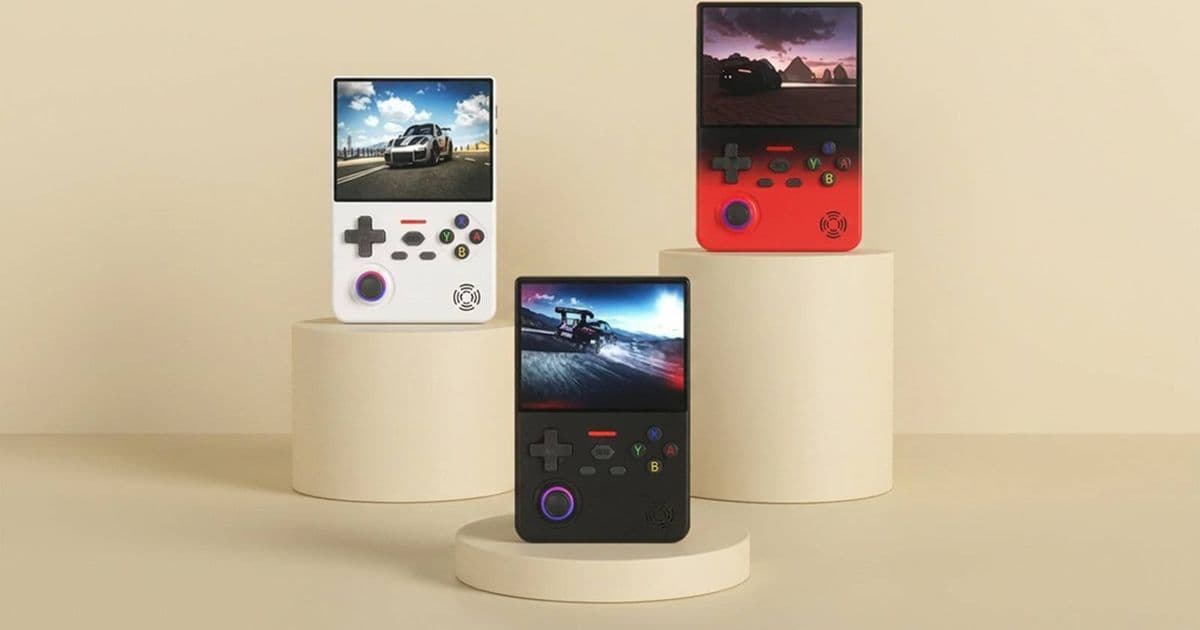
Lenovo’s white‑label G02 handheld, sold exclusively in China, comes loaded with a massive library of built‑in ROMs. While the device is officially branded, many of the included games appear to be unlicensed copies of Nintendo classics, raising legal and reputational concerns for Lenovo.
Lenovo’s China‑Only G02 Retro Handheld Ships With Thousands of Pre‑Installed ROMs, Including Unlicensed Nintendo Titles
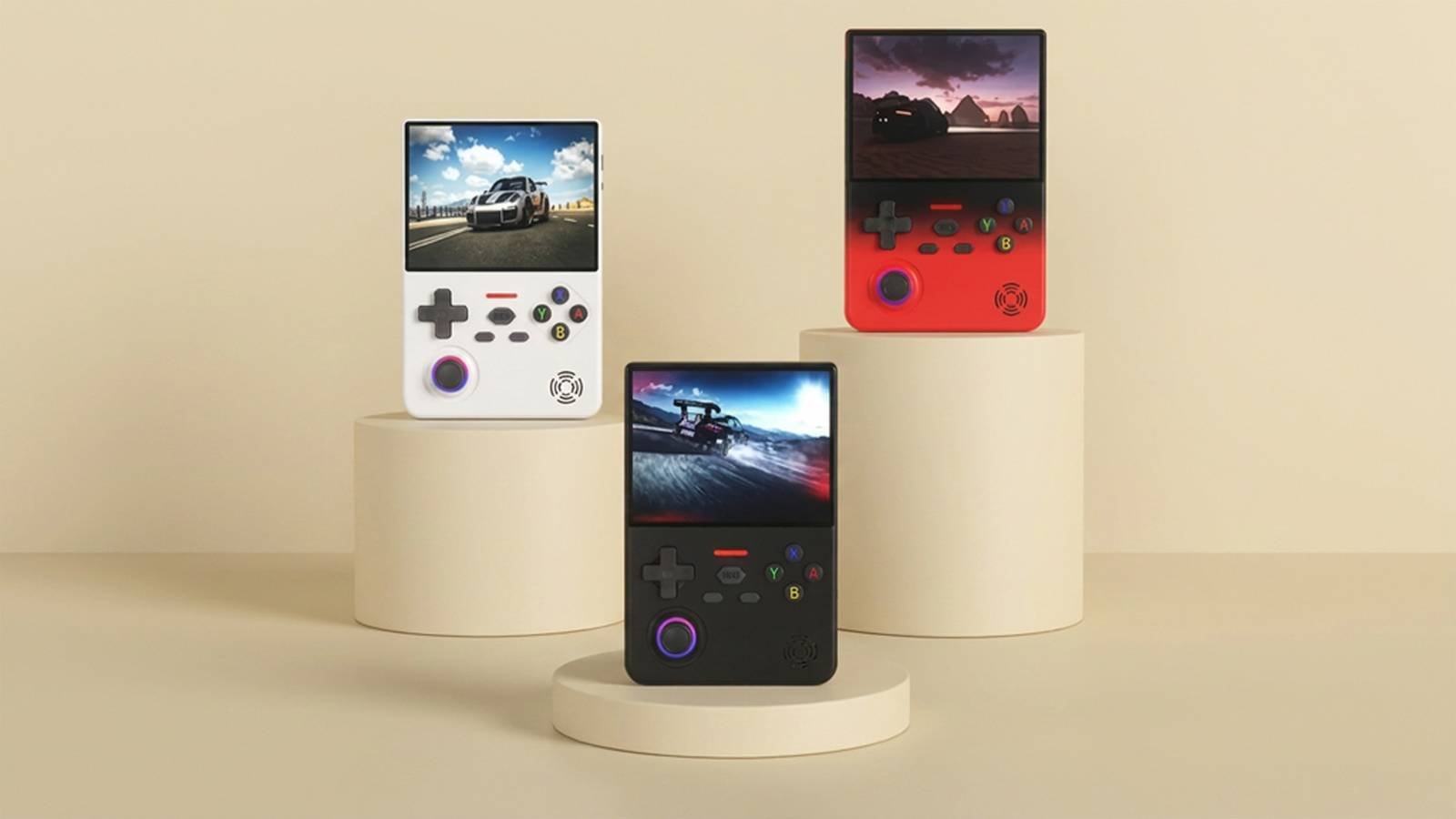
Lenovo has quietly entered the retro‑gaming niche with the G02, a white‑label handheld that is being sold only in the Chinese market. The device looks like a typical Android‑based retro console – a 5‑inch LCD, a D‑pad, four face buttons, and a pair of shoulder triggers – but what sets it apart is the sheer volume of software baked into its internal storage. Early reviewers report thousands of ROM files, many of which are recognizable Nintendo titles that have never been officially licensed for redistribution.
Official stance and regional licensing
According to a statement obtained by Retro Dodo, the G02 is produced under a regional brand licensing agreement that limits its distribution to China. Lenovo’s press release makes it clear that the handheld is not part of the company’s global product portfolio and that “products developed through these agreements may differ from Lenovo products sold through authorized channels.”
“The G02 device is produced through a regional brand licensing agreement meant for the China market only and is not part of Lenovo’s official global product portfolio.” – Lenovo
The wording mirrors how many Chinese OEMs handle niche devices: the manufacturer supplies the hardware, Lenovo provides branding, and the two parties split responsibility for software compliance. In practice, however, the line between a legitimate licensing deal and a gray‑area pre‑install of copyrighted games can become blurry.
What’s actually on the device?
Multiple hands‑on videos and unboxing posts show the G02’s internal storage populated with a ROM manager that lists titles such as:
- Super Mario Bros. (NES)
- The Legend of Zelda: A Link to the Past (SNES)
- Mario Kart 64 (N64)
- Donkey Kong Country (SNES)
- Metroid Prime (GameCube)
These are classic Nintendo properties that have never been released under an open‑source or public‑domain license. While the device’s firmware includes a generic emulator stack (based on the open‑source RetroArch core set), the legality of bundling the ROMs themselves is highly questionable.
Possible licensing scenarios
- Full licensing – Lenovo or its manufacturing partner negotiated a blanket license from Nintendo for a curated set of titles. This is unlikely; Nintendo rarely grants such broad rights, especially for a device that will not be sold outside China.
- Partial licensing – Only a handful of titles are licensed, and the rest are filler content added by the OEM. This would still expose Lenovo to infringement claims if the unlicensed ROMs are discovered.
- No licensing – The ROMs are simply copied from public torrent sites and pre‑installed by the OEM. This is the most plausible explanation given the volume of titles and the lack of any public announcement from Nintendo.
Why this matters for developers and the broader ecosystem
Platform‑specific considerations
- Android version – The G02 runs a heavily customized Android 12 build. The OS is stripped of Google Play Services, meaning the device cannot receive OTA updates through the Play Store. For developers, this highlights the fragmentation risk when targeting niche Android hardware.
- SDK compatibility – The pre‑installed emulators use the Android NDK to compile native code for a variety of classic console architectures. If you are building your own emulator or game‑port, the G02’s hardware (a Qualcomm Snapdragon 695‑class SoC) provides enough horsepower to run most 32‑bit cores at full speed, but you must account for the lack of official driver support for proprietary GPU extensions.
Legal and PR implications
- Brand risk – Even though Lenovo’s involvement is limited to branding, the association with unlicensed content could draw scrutiny from Nintendo’s legal team. In the past, Nintendo has pursued aggressive action against distributors of counterfeit hardware in China, leading to device seizures and fines.
- Supply‑chain transparency – The G02 case underscores the importance of clear licensing chains for any third‑party content that ends up on a branded device. Companies that outsource hardware production should audit the software bundles before granting brand permission.
Migration and mitigation strategies for developers
If you are a developer who has built an app for the G02 or similar white‑label devices, consider the following steps:
- Audit the ROM library – Use a script to hash each ROM file and compare it against known public databases (e.g., No-Intro). Remove any entries that lack a verifiable license.
- Separate emulator and content – Distribute your emulator as a standalone APK via the Google Play Store or an alternative trusted marketplace. Let users import their own legally obtained ROMs. This approach mirrors the model used by RetroArch and avoids bundling copyrighted material.
- Target official Android SDKs – Stick to the public Android SDK and NDK versions (e.g., SDK 33, NDK r26). Avoid proprietary vendor extensions unless you have a signed agreement with the OEM.
- Monitor regional regulations – China’s video‑game console ban was lifted in 2015, but the government still enforces strict content‑approval processes. Keep an eye on the State Administration of Press, Publication, Radio, Film and Television (SAPPRFT) guidelines if you plan to ship ROM‑heavy devices in that market.
What could happen next?
- Nintendo response – If Nintendo decides to pursue legal action, we may see a cease‑and‑desist notice sent to Lenovo’s China office, followed by a recall of the G02 units. The company could also request the removal of the offending listings from e‑commerce platforms like Taobao and JD.com.
- Lenovo’s clarification – Lenovo may issue a follow‑up statement either confirming a licensing agreement (unlikely) or distancing itself from the pre‑installed ROMs, possibly offering a firmware update that removes the questionable content.
- Impact on other retro handhelds – The G02 incident could prompt other manufacturers to be more transparent about the software they ship. Expect a rise in “ROM‑free” devices that ship with only emulators and a clear disclaimer that users must provide their own game files.
Bottom line
The Lenovo G02 is a technically capable Android‑based retro handheld, but its pre‑installed library of thousands of ROMs—including unlicensed Nintendo titles—poses significant legal risk. For developers, the episode is a reminder to keep software bundles clean, respect intellectual‑property boundaries, and use official SDKs to ensure compatibility across fragmented Android devices.
Related reading:
Comments
Please log in or register to join the discussion