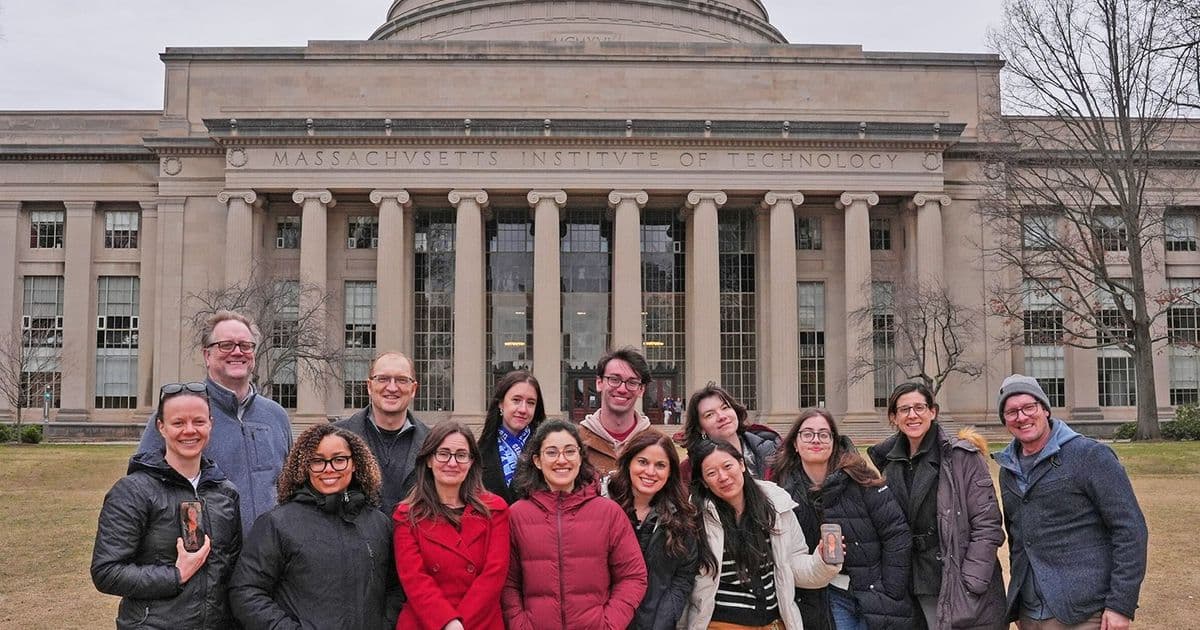
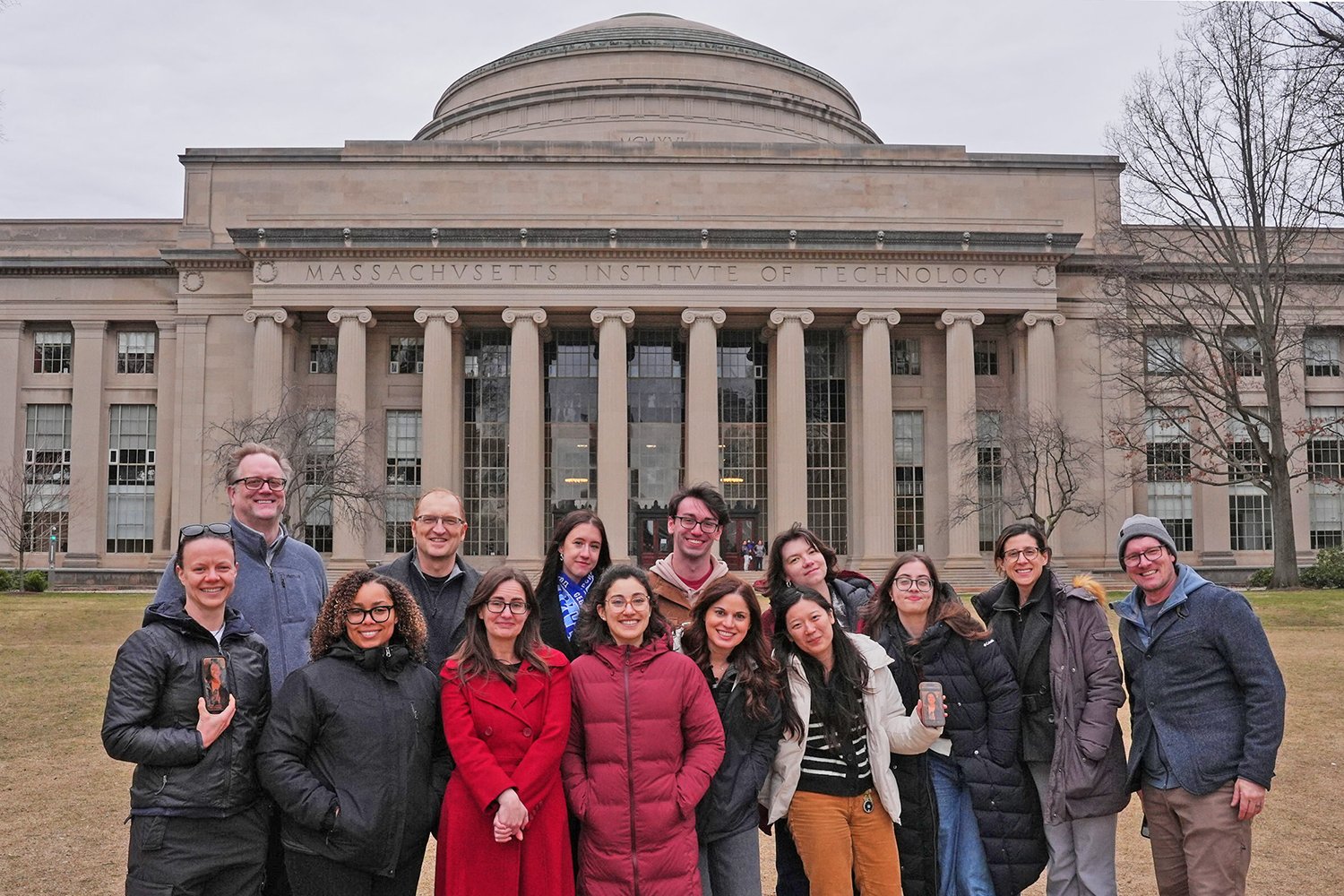
Six MIT graduate science writers teamed with six AP climate reporters in a four‑day field workshop, producing locally focused climate pieces that blend reporting, photography, and video. The collaboration gave students real‑world newsroom experience and resulted in four publishable stories on topics ranging from kelp biofuels to cranberry‑bog restoration.
MIT science writers join forces with the AP climate desk
Six reporters from the Associated Press’ climate desk traveled to Boston this spring to work side‑by‑side with graduate students from MIT’s Graduate Program in Science Writing. Over an intensive four‑day weekend, the mixed teams identified local climate angles, pitched story ideas, and then went into the field with AP visual journalists to capture text, photos, and video.
Technical approach: rapid‑prototype reporting
The workshop was built around a rapid‑prototype workflow that mirrors modern newsroom practices:
- Idea sprint – Students spent the first half‑day brainstorming climate‑relevant beats in the Boston region. They were encouraged to frame each idea as a human‑scale narrative that could be illustrated with strong visuals.
- Pitch & edit loop – Each team drafted a 250‑word pitch, which AP editors reviewed in real time. Feedback focused on clarity, news value, and visual potential, forcing students to think like editors as well as writers.
- Field immersion – With a photographer and, in some cases, a videographer from the AP, the teams spent 12‑hour days on location. The AP staff demonstrated on‑the‑fly composition, lighting, and interview techniques, while students learned to coordinate shots with narrative beats.
- Iterative review – After each shoot, the AP photo editor Alyssa Goodman led a quick debrief, pointing out framing choices, exposure settings, and how to embed images within a story for maximum impact.
- Polish & publish – Back at MIT’s newsroom space, students refined their copy, integrated the visual assets, and submitted the final pieces to the AP for distribution.
Real‑world applicability: four publishable stories
The collaborative effort produced four stories that were distributed through the AP’s global network, reaching an audience of billions. Each piece illustrates a different facet of climate reporting and demonstrates how technical storytelling skills translate to tangible impact.
| Story | Authors | Climate focus |
|---|---|---|
| How a retired cranberry bog helped change the game for wetland restoration | Jamie Jiang & Julia Vaz | Restoring peatlands to sequester carbon and improve water quality |
| Planes and ships could run on kelp someday, but there are serious hurdles | Zoe Beketova & Ana Georgescu | Feasibility of kelp‑derived biofuels for aviation and maritime transport |
| Massachusetts is dumping sewage into waterways. Grassroots organizations are fighting back | Ashley D’Souza & Lucie McCormick | Community activism against combined‑sewer overflows |
| One of America’s oldest weather observatories shows people the science behind our climate | Laura Martin Agudelo & Alex Megerle | Educational outreach at the historic Blue Hill Observatory |
These articles combine data‑driven reporting (e.g., carbon‑offset calculations for the cranberry bog) with visual storytelling that highlights on‑site conditions—storm‑driven waves, kelp farms, and community meetings. The AP’s distribution pipeline ensures the work appears in newspapers, websites, and broadcast feeds worldwide.
Lessons learned and limitations
- Hands‑on visual training beats classroom theory. Students repeatedly mentioned that seeing a photographer read a scene, adjust composition, and receive instant feedback accelerated their understanding of visual storytelling far more than any lecture could.
- Real‑time editorial pressure builds newsroom stamina. Coordinating with AP editors under tight deadlines forced students to prioritize facts, trim prose, and make quick decisions about which images best support a narrative.
- Resource constraints remain. The workshop’s four‑day window limited the depth of investigative work; longer‑term stories would require sustained funding and access to data sources that were only briefly touched on during the sprint.
- Scalability challenges. Replicating this model at other institutions would need a committed AP team willing to travel and allocate staff time, which may not be feasible for smaller newsrooms.
Outlook
For the MIT participants, the experience was a rare glimpse into a professional newsroom where reporting, photography, and video converge under tight deadlines. As one student put it, “being in the field with an AP photojournalist showed me how a single frame can shape a story’s angle.” The partnership also gave the AP fresh, hyper‑local leads that can be amplified through its global reach.
The success of this pilot suggests a template for future collaborations between academic writing programs and major news organizations: a short, immersive field sprint that yields publishable content while equipping emerging journalists with the practical skills needed to cover climate change at scale.
Related resources
- MIT Graduate Program in Science Writing: https://cmsw.mit.edu
- AP Climate Desk overview: https://apnews.com/hub/climate
- Guide to visual storytelling in journalism (AP Photo Lab): https://photojournalism.ap.org/visual-storytelling
Comments
Please log in or register to join the discussion