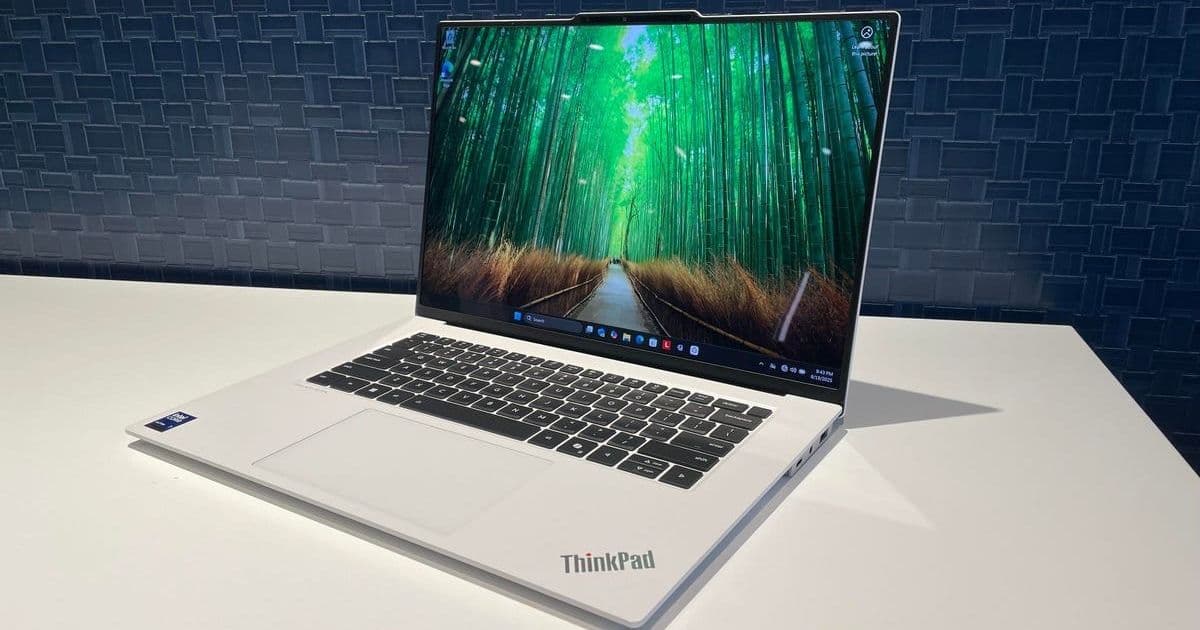
Lenovo unveiled a stunning Glacial White variant of its boundary-pushing ThinkPad X9 at IFA 2025, addressing prior storage limitations with a 1TB SSD upgrade while maintaining its radical design departure from traditional ThinkPads. Alongside, new P-series workstations debut Nvidia's Blackwell GPUs, promising transformative performance for AI and engineering workloads, though battery life concerns linger.
Lenovo's ThinkPad Evolution: Bold Design Meets Cutting-Edge Power at IFA 2025
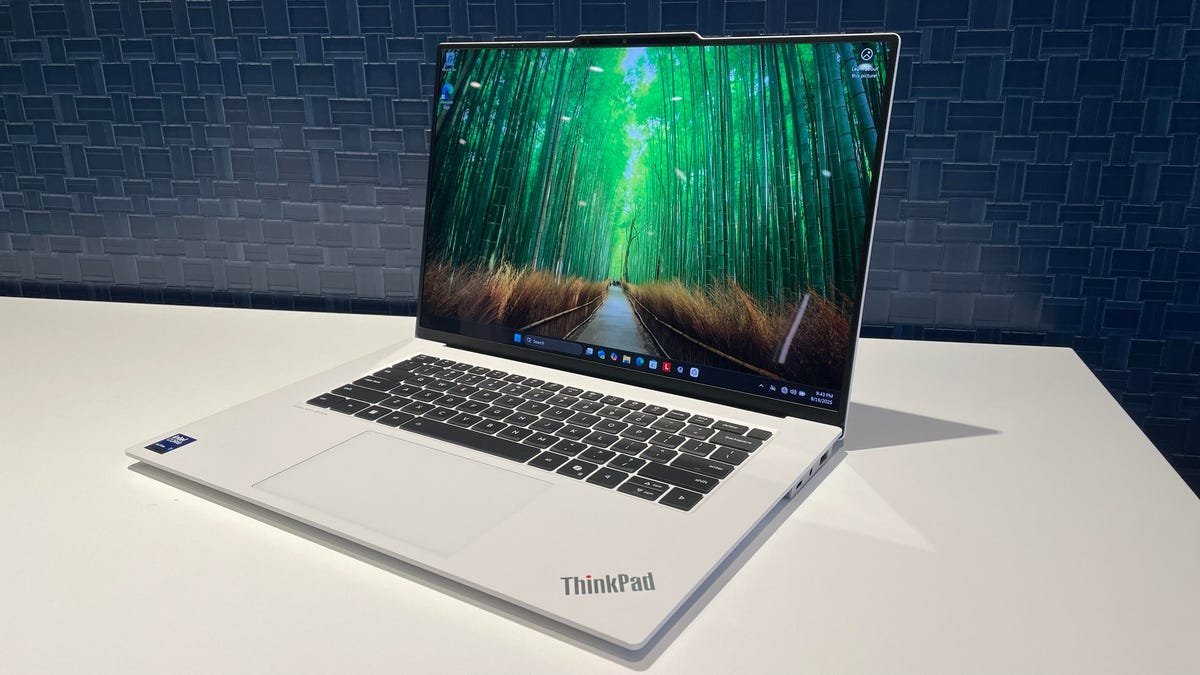
At IFA 2025 in Berlin, Lenovo made a decisive statement about the future of professional laptops, headlined by the ThinkPad X9 Aura Edition's striking new Glacial White colorway. This iteration isn't just cosmetic—it amplifies the X9's year-long journey to redefine ThinkPad identity, shedding the iconic TrackPoint and utilitarian black chassis for a sleek, ribbed-bottom design that prioritizes portability and modern aesthetics. As Kyle Kucharski of ZDNET notes, the X9 already earned accolades as 2025's top Windows laptop for its value-performance balance, but the white variant, available in 14- and 15-inch models, elevates its appeal with a matte finish that exudes premium minimalism.
Beyond Color: Practical Upgrades and Shifting Features
The Glacial White X9 isn't just a visual refresh; it addresses a key critique from earlier reviews. Both sizes now ship with a 1TB SSD—double the maximum storage of the original silver model—eliminating a bottleneck for developers and creatives handling large datasets. Under the hood, it retains the Intel Core Ultra 7 258V processor, ensuring consistent performance for everyday engineering and coding tasks. Notably, Lenovo has phased out the physical tap-to-share functionality introduced last year, replacing it with the software-based Lenovo Connect app. This shift reflects a pragmatic move toward cloud-integrated workflows, though it subtly distances the laptop from the 'Aura Edition' branding that once defined its experimental edge.
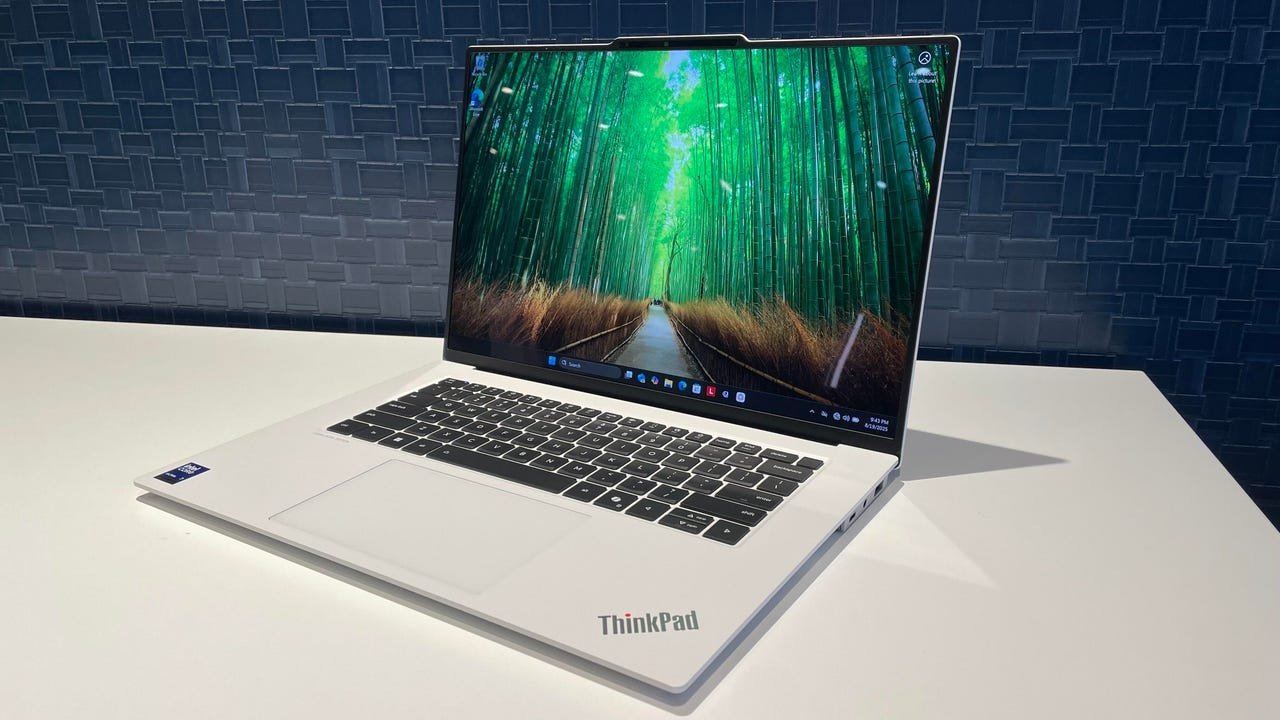 The ThinkPad X9 in Glacial White, featuring a design that breaks from traditional ThinkPad conventions. (Image: Kyle Kucharski/ZDNET)
Powerhouse Workstations: Blackwell GPUs Enter the Fray
While the X9 captured attention, Lenovo's real muscle flex came with the ThinkPad P1 Gen 8 and P16v Gen 3 mobile workstations. Both are among the first to integrate Nvidia's RTX PRO 2000 Blackwell GPUs, which represent a generational leap for professional workloads. The Blackwell architecture, optimized for AI inference, 3D rendering, and CAD, promises up to 30% gains over previous Ada-generation cards—critical for machine learning developers and engineers dealing with complex simulations. The P1 Gen 8, starting at $2,819, pairs this GPU with Intel's Core Ultra Series 2 CPUs in a classic ThinkPad chassis, complete with TrackPoint and robust I/O, balancing power with familiarity.
In contrast, the 16-inch ThinkPad P16v Gen 3 targets budget-conscious professionals, starting at $2,249. It packs the same Blackwell GPU alongside options for up to 96GB of RAM and a 4K OLED touchscreen, making it a beast for animation or data science. However, its 4.6-pound weight and 1-inch thickness underscore a trade-off: raw capability comes at the cost of portability. As ZDNET hands-on testing revealed, this laptop's heft is palpable, positioning it as a desktop replacement rather than a mobile companion.
Performance Promises and Practical Caveats
The inclusion of Blackwell GPUs signals Lenovo's commitment to AI-ready hardware, but it raises questions about real-world usability. Both P-series models feature 90Wh batteries, yet the energy demands of Blackwell silicon—known for its computational intensity—could strain endurance during extended rendering sessions or localized AI model training. For IT leaders, this necessitates weighing the performance uplift against potential workflow disruptions from frequent charging. Meanwhile, the X9's evolution reflects a broader trend: professional laptops are increasingly blending consumer-inspired design with enterprise-grade functionality, appealing to a new generation of developers who prioritize aesthetics alongside horsepower. As ThinkPads continue to straddle tradition and innovation, these releases underscore Lenovo's bet that bold design and specialized silicon will define the next era of mobile computing. Based on reporting from ZDNET.
Comments
Please log in or register to join the discussion