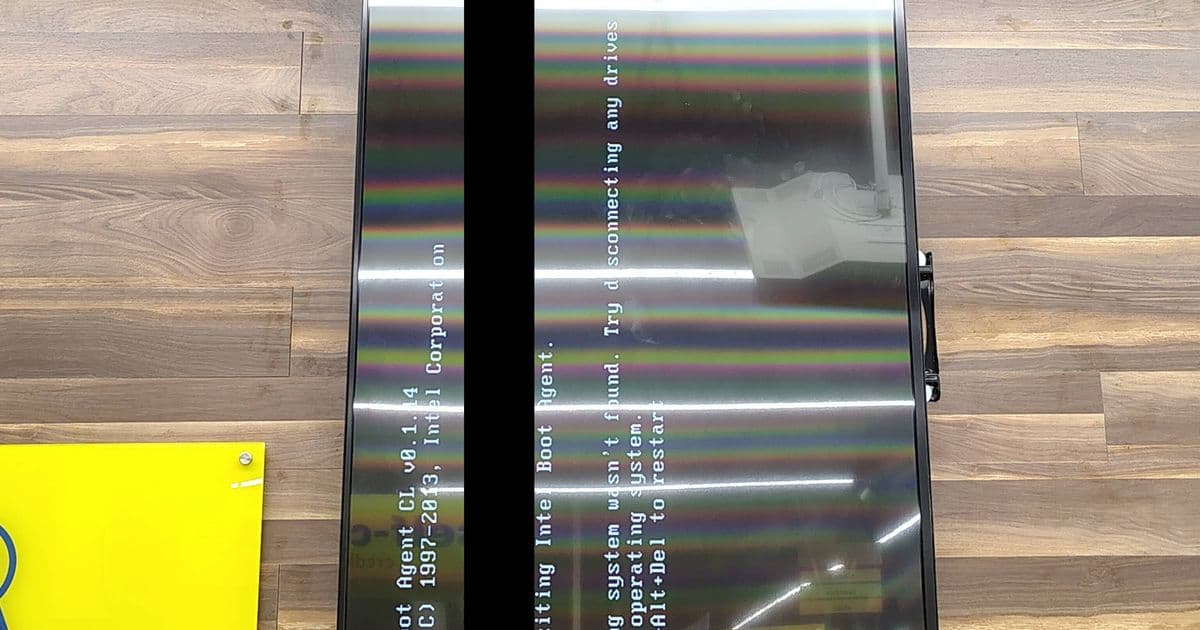
A Lidl store's public-facing digital signage running outdated Intel hardware from 2013 failed to boot, displaying sensitive system messages and exposing potential security vulnerabilities in retail technology infrastructure.
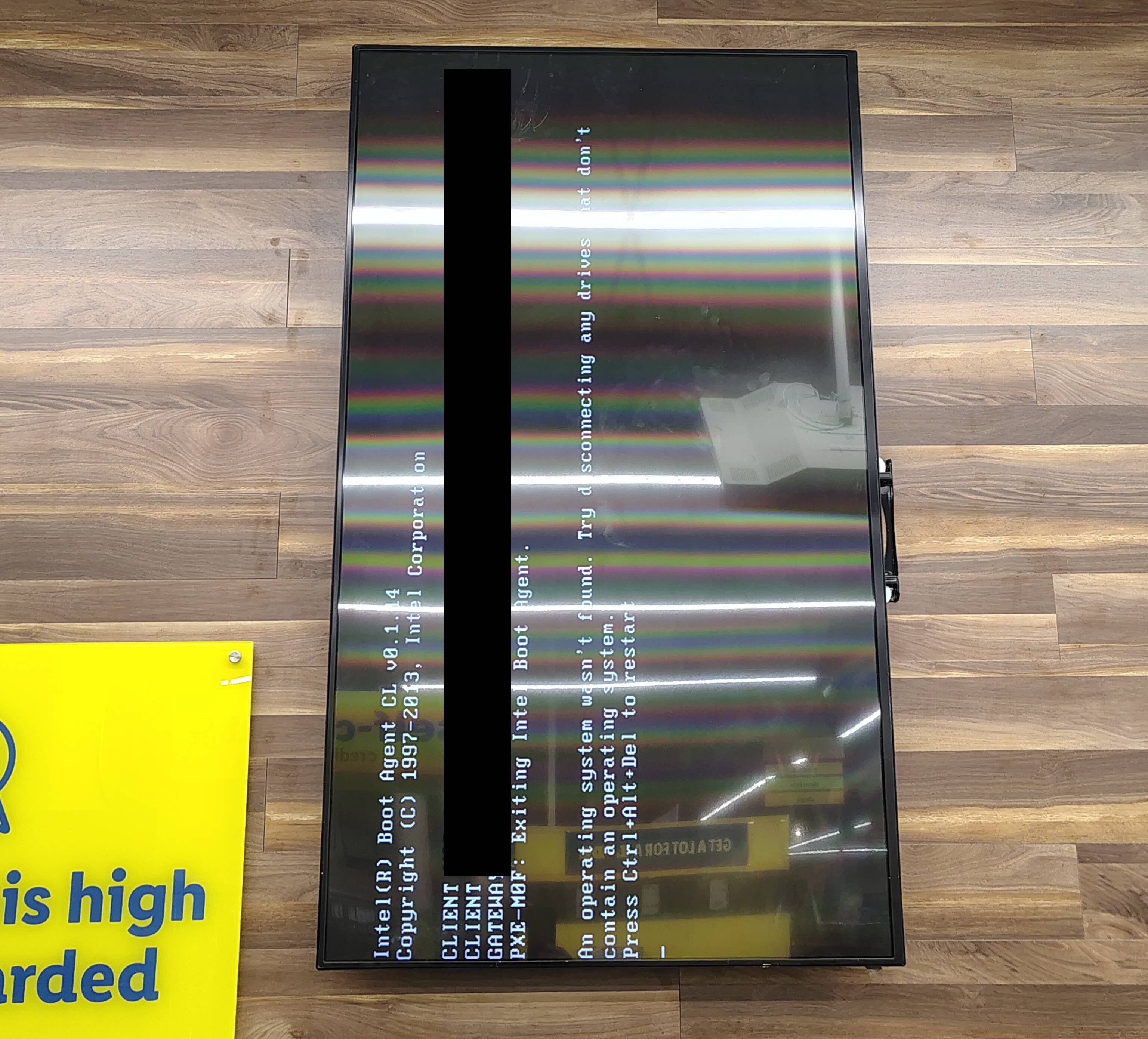
Discount supermarket chain Lidl, known for its 'Middle of Lidl' bargain aisles, has inadvertently showcased more than discounted goods after a store's digital signage suffered a critical boot failure. The malfunctioning display, spotted by a Register reader, revealed concerning technical vulnerabilities when it froze during startup with the message: "An operating system wasn't found. Try disconnecting any drives that don't contain an operating system."
The hardware's boot agent displayed a 2013 copyright date from Intel—a period when the chipmaker was struggling to adapt to mobile computing's rise. This places the system's origins squarely in Intel's troubled fourth-generation Core processor era, preceding the company's later strategic stumbles. The signage's public failure notice creates multiple security concerns:
- Exposed System Information: Though partially redacted, the screen displayed BIOS details and network identifiers that could aid attackers in profiling corporate infrastructure.
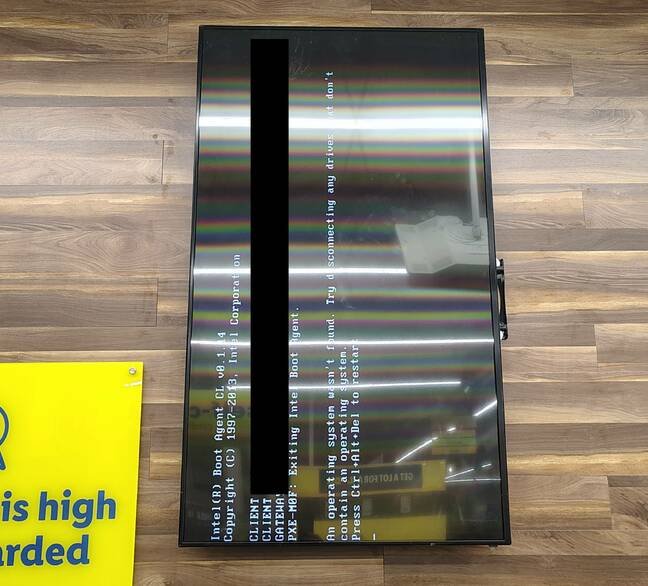
Physical Access Vulnerabilities: The signage's position allows physical interaction, yet lacks input devices for troubleshooting. Malicious actors could theoretically connect peripherals to manipulate the unprotected system.
Outdated Security Posture: Hardware this old likely runs unsupported software, making it vulnerable to exploits. Public-facing systems with boot failures may bypass security protocols entirely.
Retail digital signage represents a growing attack surface, with compromised displays capable of showing malicious content or harvesting customer data. The 2013 hardware predates modern security standards like UEFI Secure Boot and coincides with Intel CEO Brian Krzanich's controversial tenure—a symbolic parallel to Lidl's technological stagnation.
This incident highlights systemic issues in retail technology management:
Extended Hardware Lifecycles: Cost-cutting often delays essential upgrades, leaving public systems running end-of-life components.
Inadequate Monitoring: The persistent failure suggests lack of remote monitoring for critical displays.
Physical Security Oversights: Public terminals should disable boot menus and restrict physical ports.
Lidl's signature 'Middle of Lidl' aisle famously rotates discounted non-food items—a fitting metaphor for this digital relic that now functions as unintentional public art. Retailers must recognize that outdated public-facing technology isn't merely an operational nuisance but a privacy liability, especially under regulations like GDPR and CCPA that mandate reasonable security measures. Without prompt remediation, such failures risk becoming entry points for data breaches that could compromise both customer trust and regulatory compliance.
Report technology vulnerabilities to [email protected]
Comments
Please log in or register to join the discussion