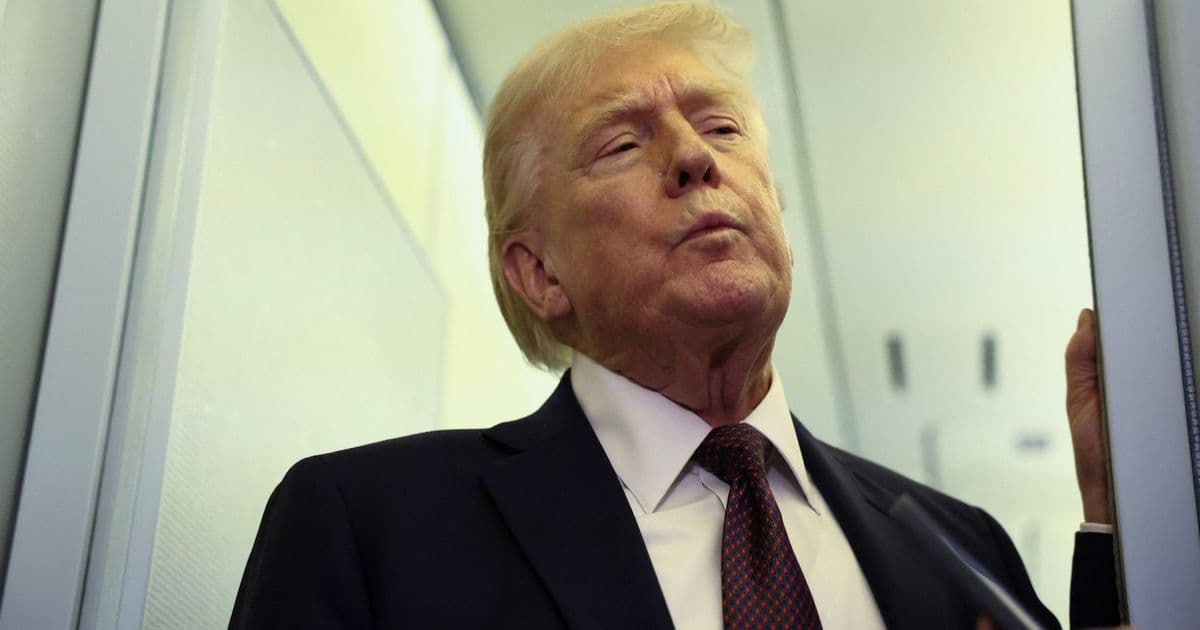
President Trump claims Iran is weaponizing AI to spread fake wartime images, as a new study reveals most AI-generated videos about the Iran conflict push pro-Iranian narratives and exaggerate military capabilities.
President Donald Trump has accused Iran of weaponizing artificial intelligence as a "disinformation weapon," claiming the country is using AI to create and spread fake images depicting wartime successes against the United States. The allegations come amid growing concerns about the proliferation of AI-generated content in the context of the ongoing conflict.
Speaking on Sunday, Trump warned that "AI can be very dangerous" when used for disinformation purposes. His comments highlight the escalating debate over AI's role in modern warfare and information operations, particularly as sophisticated deepfake technology becomes increasingly accessible.
Study Reveals Pro-Iranian AI Content Dominance
The accusations follow a new study by the New York Times examining AI-generated videos on social media about the war in Iran. The research found that most AI-generated videos push pro-Iranian views, often exaggerating the country's military capabilities and sophistication.
The study documented a "torrent of fake videos and images" generated by artificial intelligence that have overrun social networks during the first weeks of the conflict. This flood of synthetic content represents a significant challenge for platforms and governments attempting to maintain information integrity during wartime.
Technology Behind the Disinformation
While Trump did not provide specific examples of the alleged Iranian AI-generated content, the technology to create convincing fake images and videos has advanced rapidly. Modern AI systems can generate photorealistic images, manipulate existing footage, and create entirely synthetic videos that are increasingly difficult to distinguish from authentic content.
The accessibility of these tools means that state actors, non-state groups, and individuals can all potentially contribute to the spread of AI-generated disinformation. This democratization of synthetic media creation has made it a powerful tool for shaping narratives and influencing public opinion.
Broader Implications for Information Warfare
Trump's accusations against Iran reflect a broader concern about AI's potential to disrupt traditional information warfare dynamics. The ability to rapidly generate and distribute convincing fake content at scale represents a significant shift in how conflicts are fought in the information space.
Experts warn that as AI technology continues to advance, the line between authentic and synthetic content will become increasingly blurred, potentially undermining trust in all media and making it more difficult for the public to discern truth from fiction during critical events like military conflicts.
Platform Response and Detection Challenges
The proliferation of AI-generated content has put significant pressure on social media platforms to develop better detection and moderation capabilities. However, the rapid evolution of AI generation technology often outpaces detection methods, creating an ongoing arms race between content creators and those attempting to identify synthetic media.
As the conflict continues, the role of AI in shaping public perception and influencing international opinion is likely to remain a contentious issue, with implications extending far beyond the immediate military situation.
Comments
Please log in or register to join the discussion