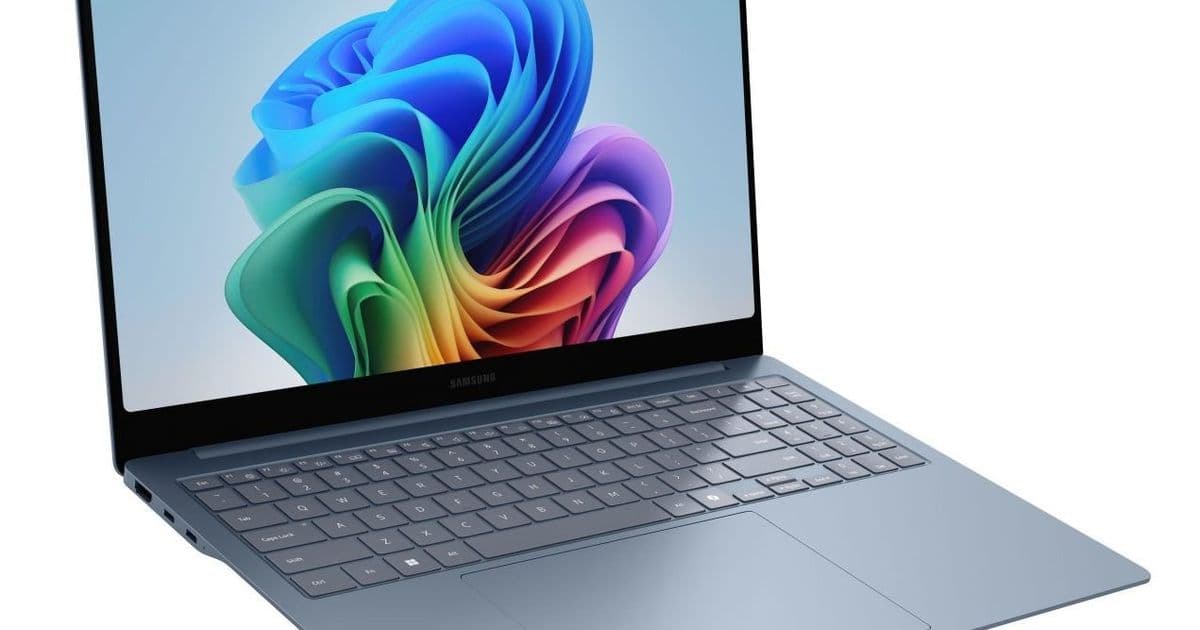
Samsung’s Galaxy Book6 Edge trades upgradeable parts for a lighter 16-inch Windows laptop built around Qualcomm’s new Snapdragon X2 Elite chip.
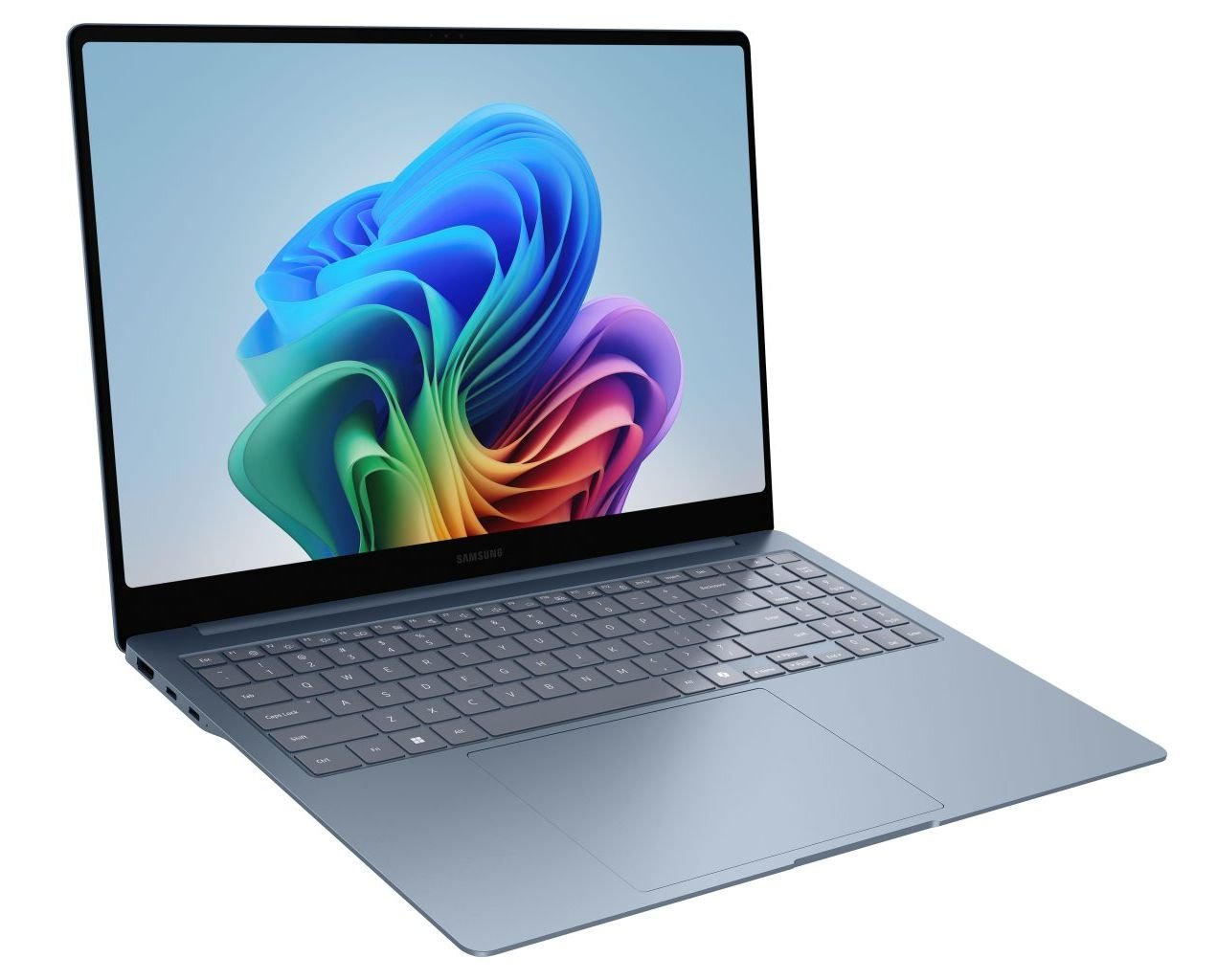
Samsung has added a Snapdragon X2 Elite model to its Galaxy Book6 line, giving Windows on Arm buyers a 16-inch laptop that weighs 3.42 pounds and measures 0.48 inch thick.
The Galaxy Book6 Edge pairs Qualcomm’s Snapdragon X2 Elite X2E-88-100 chip with a 16-inch, 2880 x 1800 AMOLED touchscreen that refreshes at 120 Hz. Samsung prices the model at $2,100, above the standard Galaxy Book6 and Galaxy Book6 Pro, though below the $2,900 Galaxy Book6 Ultra.
Samsung’s pitch centers on portability and local AI work. Qualcomm rates the Snapdragon X2 Elite platform at up to 80 TOPS for neural processing, and this configuration uses an 18-core CPU with 12 Prime cores, six Performance cores, up to 5 GHz clocks, 53 MB of cache and an Adreno X2-90 GPU that reaches 1.7 GHz.
For developers, that mix matters because Windows on Arm has moved from curiosity to daily-driver candidate, but app support still decides the experience. Microsoft’s native Arm64 tooling has improved across Visual Studio, .NET, Windows Subsystem for Linux and Edge. Electron, Chromium and many cross-platform stacks now ship Arm64 builds. Older x86 Windows tools can run through emulation, but compiler chains, device drivers, virtualization tools and Android emulators deserve a check before you buy.
Samsung gives the Galaxy Book6 Edge 16 GB of LPDDR5x memory and 1 TB of eUFS storage. The company solders both parts to the mainboard, so you choose the working ceiling at purchase. That choice affects mobile developers who keep Android Studio, Xcode-adjacent cloud tooling, Docker workloads, browsers and design apps open across long sessions. The 16 GB limit suits web, Android and cross-platform app work, but heavier virtual machines and large local builds will test it.

The port mix helps the machine stay useful without a dock. Samsung includes two USB 4 Type-C ports, one USB 3.2 Type-A port, HDMI 2.1, a 3.5 mm audio jack and a microSD card reader. Wireless support covers Wi-Fi 7 and Bluetooth 5.4.
The rest of the hardware fits Samsung’s premium laptop pattern: quad speakers, dual microphones, a 2 MP webcam, a backlit keyboard with a number pad, a large clickable touchpad, an ambient light sensor, a hall sensor and a fingerprint reader. The 61.8 Wh battery charges through a 65-watt USB-C adapter.
The Snapdragon X2 Elite gives Samsung a clear target: users who want a large screen, low weight and strong local AI performance in a Windows laptop. The trade-off sits in the configuration. Buyers get a thin 16-inch chassis and modern I/O, but they give up user-replaceable memory and storage.
Cross-platform developers should treat the Galaxy Book6 Edge as a Windows on Arm workstation with limits. Web apps, React Native, Flutter, Kotlin Multiplatform and cloud-backed builds make sense on this class of machine. Teams with native Windows dependencies should audit Arm64 support for each tool in the chain, including VPN clients, security agents, database drivers and hardware SDKs.
Samsung has more details on its Galaxy Book lineup, while Qualcomm documents the broader Snapdragon X platform. Microsoft’s Arm developer guidance remains the key checklist for teams that plan to build, test and ship Windows software on Arm hardware.
Comments
Please log in or register to join the discussion