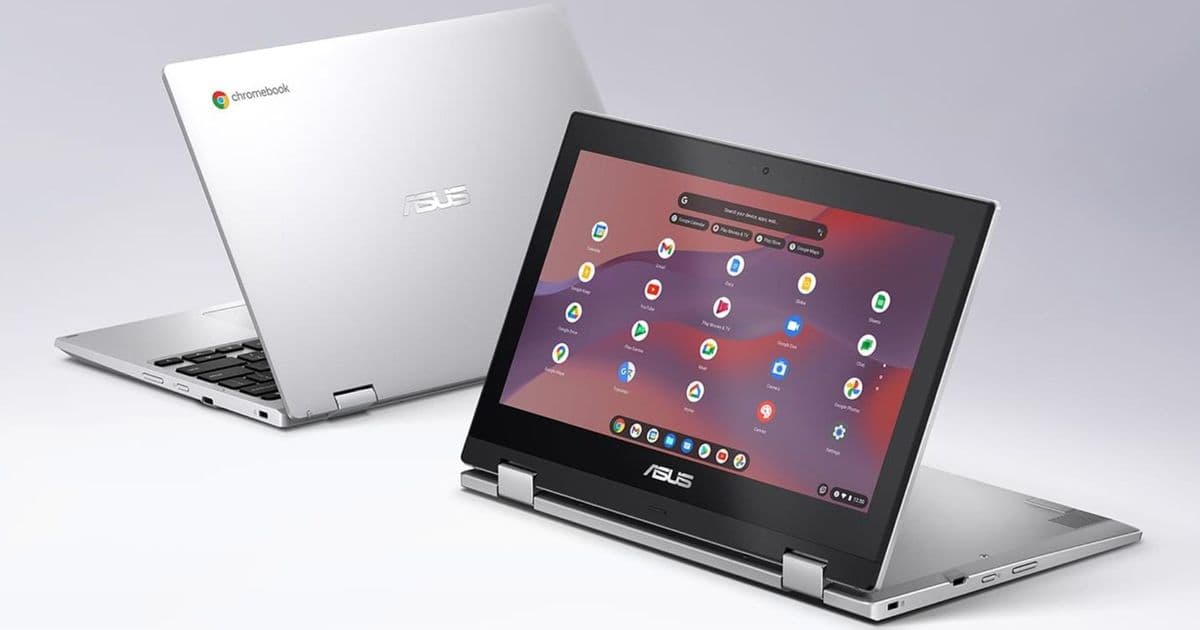
Google built ChromeOS for cheap, cloud-first laptops, but schools turned Chromebooks into a classroom standard while premium PC buyers stayed with Windows and macOS.
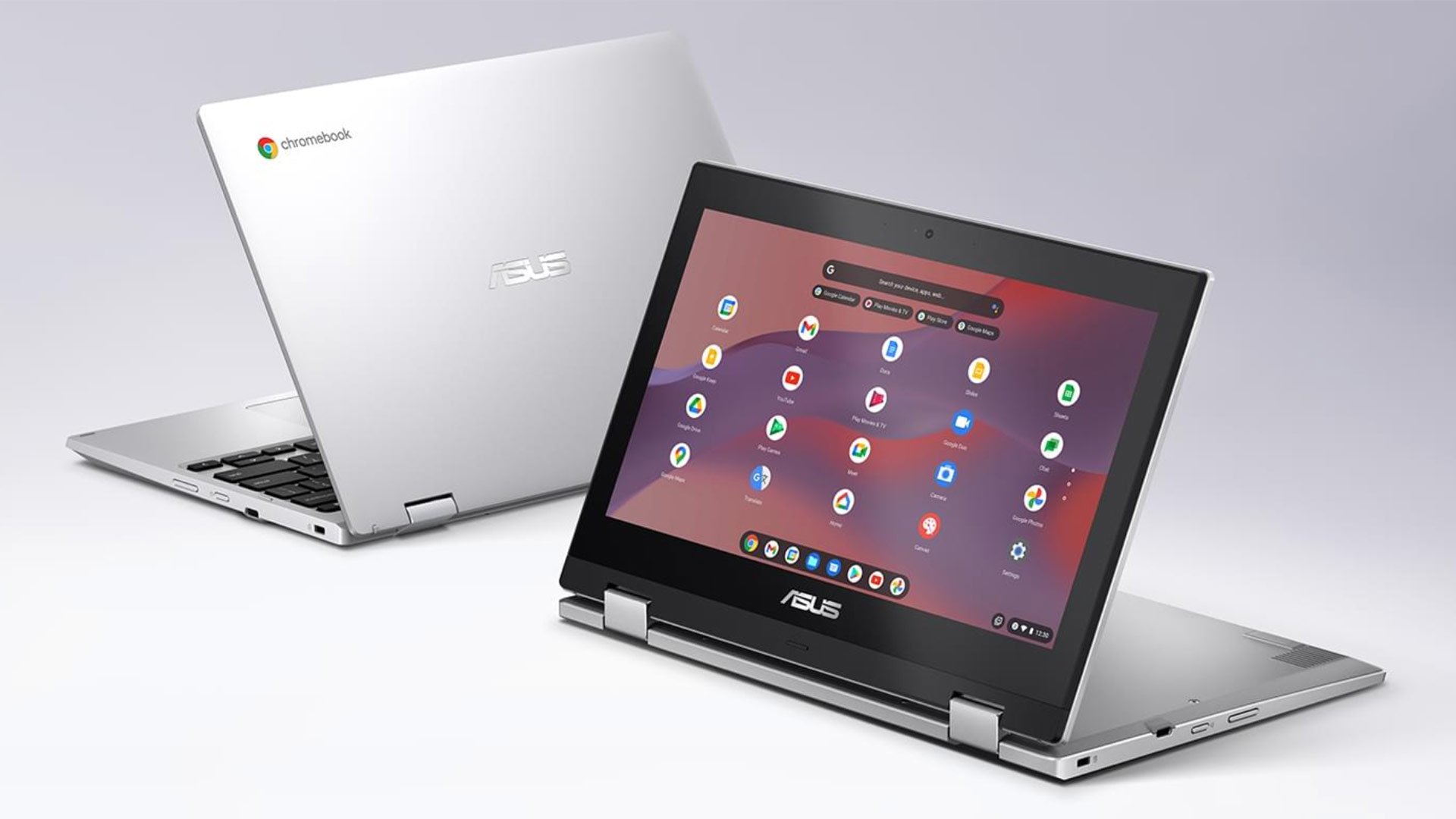
Google’s Chromebook line reached its 15th anniversary after Google, Acer and Samsung launched the first ChromeOS laptops in 2011 with a pitch built around speed, low cost and web apps.
Google aimed ChromeOS at a clear problem. Cheap Windows netbooks had trained buyers to expect short useful lives, weak performance and support headaches. ChromeOS cut the workload down to the browser, stored files in the cloud and gave low-end Intel and ARM hardware a job it could handle.
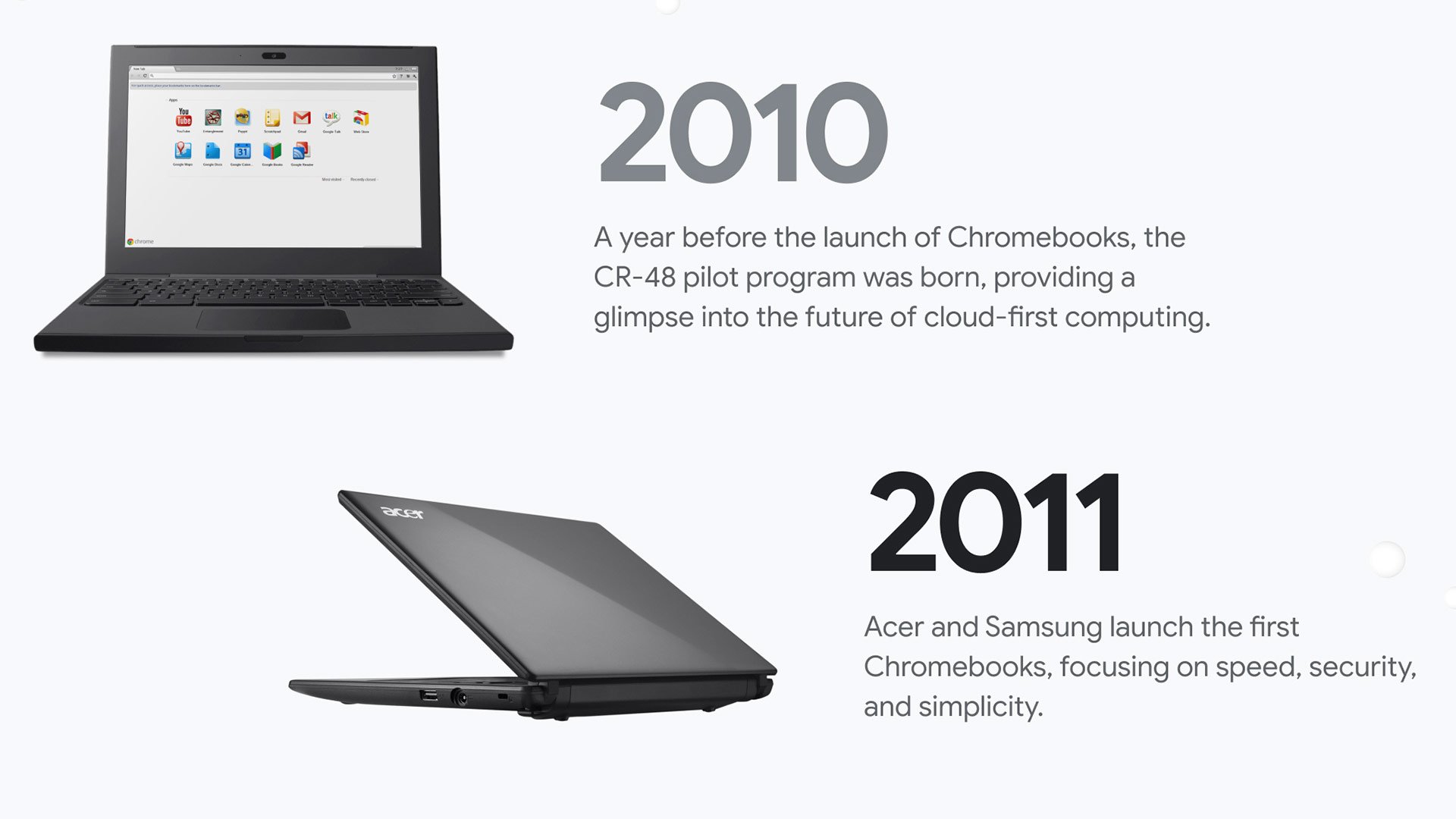
The first Chromebooks leaned on fast boot times, automatic updates and a locked-down software model. That design helped school districts buy fleets, manage users through Google Admin console and reduce hands-on repair time. Rugged cases, low prices and simple account recovery gave IT staff a practical answer for K-12 computing.
Google added bigger features late in the product’s life. The Google Play Store reached Chromebooks in 2016, which brought Android apps to ChromeOS. Google added Linux development support in 2018 through Crostini, giving developers access to command-line tools and desktop Linux apps. Google later brought Steam testing to select Chromebook models, then ended that beta path, which left gaming without a strong ChromeOS story.
Those dates matter for buyers who compare Chromebooks with Windows laptops, Macs and iPads. A premium laptop buyer wants local apps, media tools, game support and long software life before spending $700 or more. Google offered pieces of that package across several years, while Microsoft, Apple and PC vendors kept improving thin laptops with stronger processors and better battery life.
Google also chased premium hardware. The 2017 Pixelbook used a sharp 12.3-inch display, a thin aluminum chassis, a 360-degree hinge and Intel Core processors. It showed that ChromeOS could run on attractive hardware, but it also exposed the ceiling. Buyers could spend similar money on Windows ultrabooks or MacBooks with broader app support.
Chromebooks won in classrooms because schools measure laptops by fleet cost, repair rates and admin time. A district can issue a managed Chromebook, lock policies to student accounts and replace broken units without rebuilding a local software image. Google’s 2023 move to provide 10 years of automatic updates for new Chromebook platforms strengthened that pitch.
The market split remains clear. K-12 buyers treat Chromebooks as dependable tools for web assignments, tests and managed learning apps. Mainstream consumers often see the same machines as school laptops, and premium buyers look elsewhere when they need Adobe apps, PC games, local storage or high-end creative workflows.
Chip vendors and PC makers now have a narrower path for growth. Arm-based Chromebooks can extend battery life and lower cost, while Intel and AMD systems can offer better browser performance, video calls and Linux workloads. Each option still runs into the same question: Will buyers pay premium laptop prices for ChromeOS?
Google’s best near-term chance sits with long support windows, better Android integration and ChromeOS Flex, which lets users install ChromeOS on old PCs and Macs. Those moves help schools and cost-sensitive buyers stretch hardware budgets. They also reinforce the same identity Chromebooks have carried since 2011: simple, managed and cheap enough to buy by the cart.
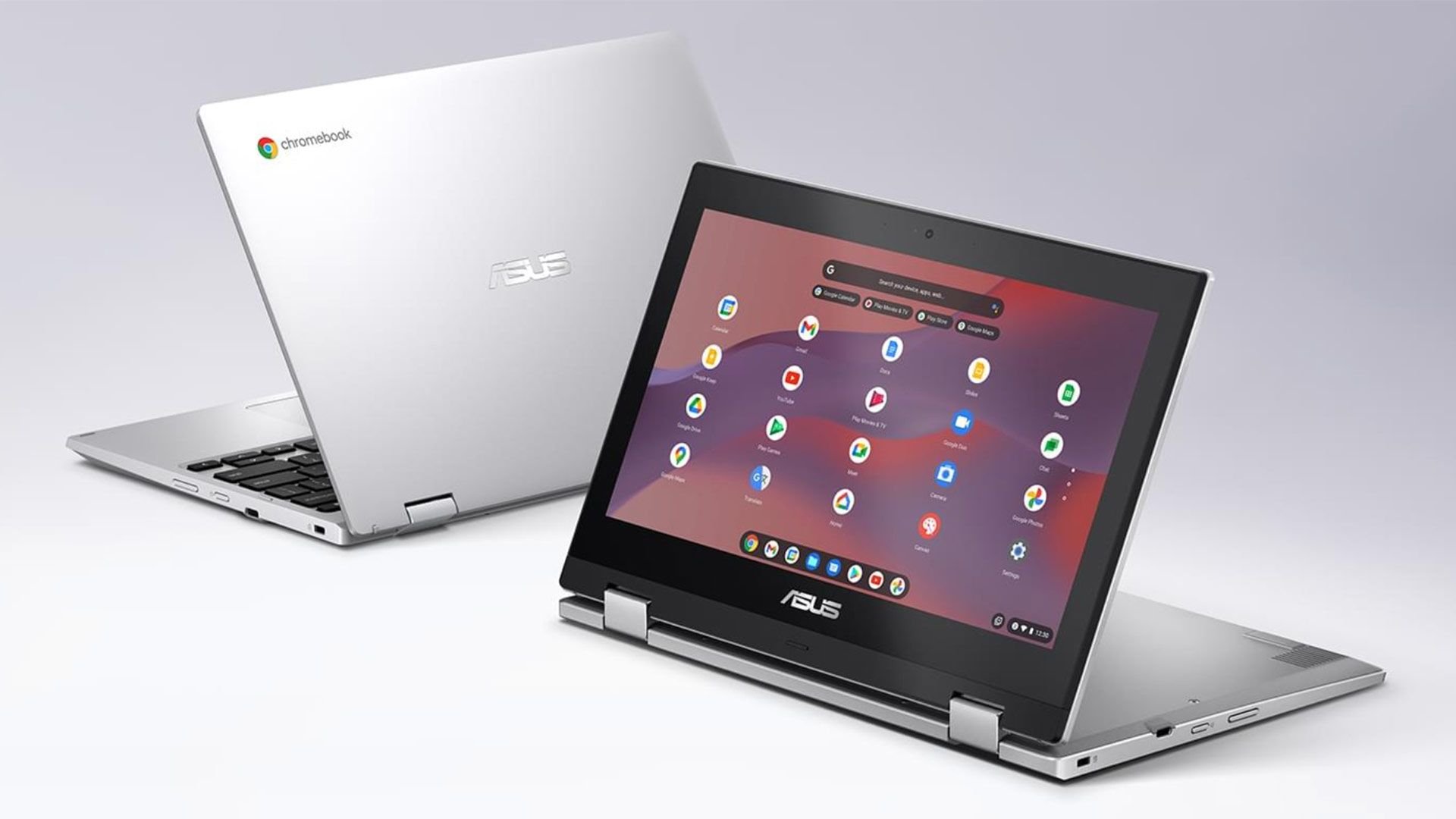
After 15 years, Google owns a strong education franchise and a weaker consumer laptop brand. Chromebook hardware solved a real problem for schools. Google still needs a cleaner answer for premium buyers who want one machine for web work, local apps, games and creative software.
Comments
Please log in or register to join the discussion