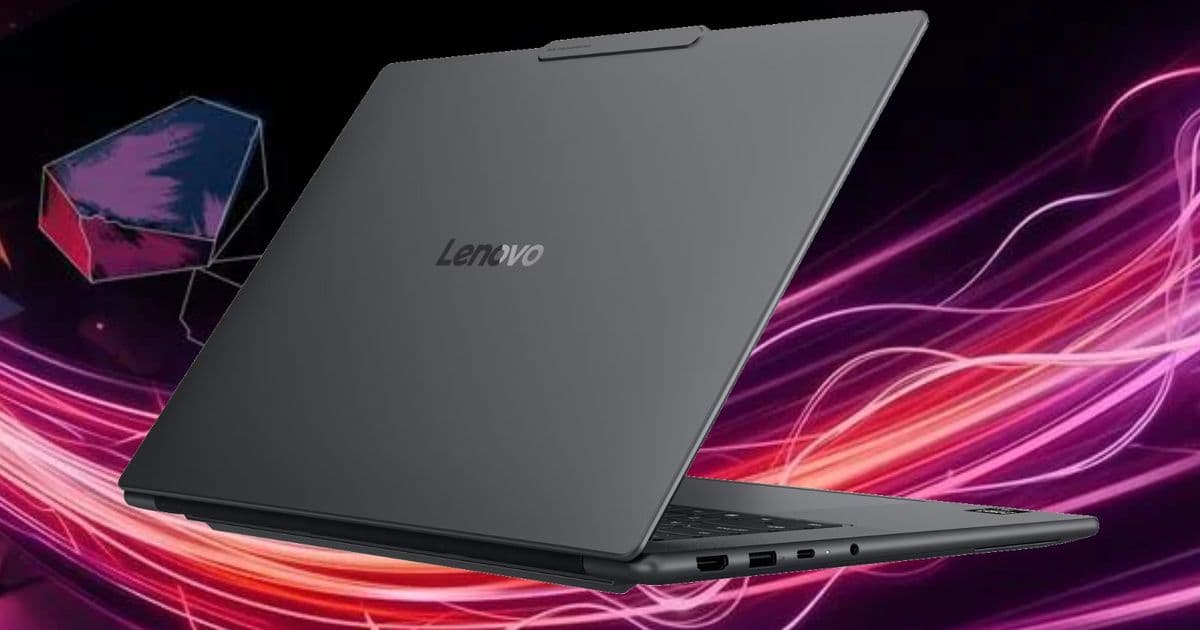
Lenovo gives the Yoga Pro 7 a Strix Halo option for creators who need shared GPU memory, a bright OLED panel and two SSD slots in a 15-inch chassis.
Lenovo has added the Yoga Pro 7 15ASH11 to its global lineup, giving the 15-inch creator laptop AMD's Strix Halo platform, a 2,560-by-1,600 OLED display and up to 96 GB of memory that users can assign to graphics.
New hardware
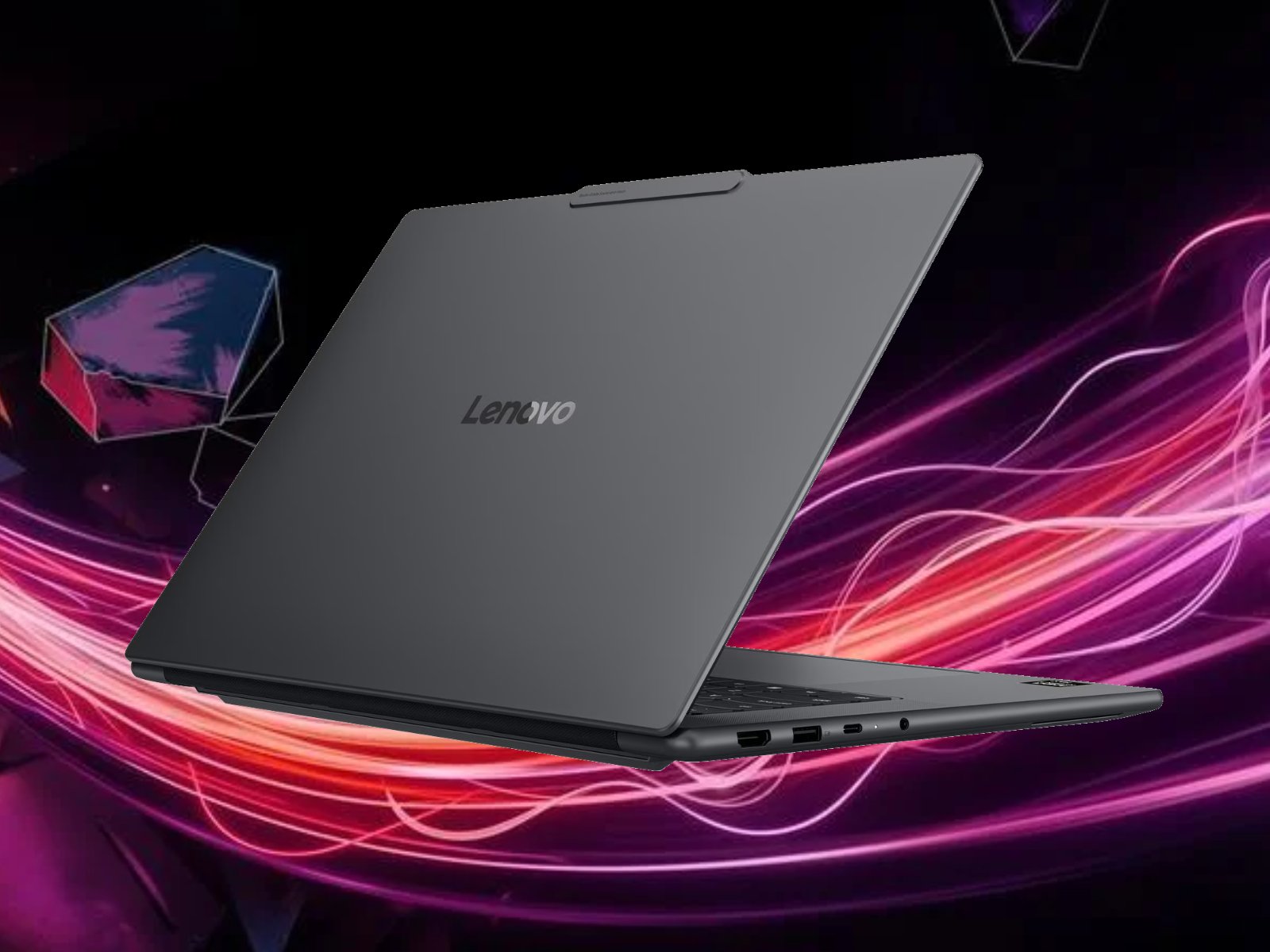
Lenovo lists the Yoga Pro 7 15ASH11 in its PSREF database, which confirms a 347-by-242-by-16.7 mm chassis, an 84 Wh battery and 140 W charging over USB-C. Those dimensions match the Intel-based Yoga Pro 7 15IPH11, so Lenovo has kept the frame and changed the silicon.
The major change sits inside. Lenovo pairs the Ryzen AI Max+ 388 with Radeon 8060S graphics. That AMD platform uses shared LPDDR5X memory, and Lenovo offers up to 128 GB of LPDDR5X-8000. Buyers can allocate up to 96 GB to the Radeon GPU.
That number matters for workloads that hit graphics memory before raw shader performance. Large AI models, 3D scenes, high-resolution timelines and texture-heavy projects can exceed the 8 GB or 12 GB limits common in thin creator laptops. The Yoga Pro 7 15ASH11 gives those users a larger memory pool without pushing them into a workstation chassis.
Lenovo also equips the laptop with two SSD slots. That choice gives video editors and developers a cleaner path to separate system storage from project storage, or to expand capacity after purchase.
{{IMAGE:2}}
The display should help the same audience. Lenovo uses a 15-inch OLED panel with 2,560-by-1,600 resolution, a 165 Hz refresh rate and 1,100 nits peak brightness in HDR mode. The 16:10 panel gives more vertical room than a 16:9 screen, and the high refresh rate keeps the machine useful for gaming and timeline work.
The comparison
Lenovo sells the Yoga Pro 7 15IPH11 with Intel's Panther Lake platform and Nvidia GeForce RTX 5060 graphics. That model gives buyers a standard discrete GPU path with Nvidia's software stack, CUDA support and stronger compatibility in many creative apps.
The Yoga Pro 7 15ASH11 takes a different route. AMD's Strix Halo design gives the Radeon 8060S access to a large shared memory pool. Buyers who use software tuned for Nvidia may still prefer the RTX 5060 model. Buyers who need memory capacity for local AI work, large assets or GPU tasks that spill past typical laptop VRAM limits now have a more unusual option in the same 15-inch body.
Asus already uses Strix Halo in the ROG Flow Z13, which also can assign up to 96 GB of memory to graphics. Lenovo's system aims at a different buyer. The Flow Z13 favors a detachable gaming tablet format. The Yoga Pro 7 15ASH11 uses a conventional laptop design with a larger keyboard deck, creator branding and a chassis that should suit desk work better.
{{IMAGE:3}}
The Intel Yoga Pro 7 15IPH11 still has one clear advantage for buyers who rely on Nvidia-specific acceleration. The AMD model counters with memory capacity and a cleaner unified-memory story. That trade-off will decide more purchases than the CPU brand.
Buyer fit
Creators who edit 4K or 8K footage, run local AI tools or keep large 3D scenes open should watch this model. The 96 GB graphics memory allocation gives it a rare spec for a 15-inch laptop, and the OLED panel gives those users a strong screen for review work.
Developers who test local models may also find the Yoga Pro 7 15ASH11 useful. A laptop GPU with access to a large shared memory pool can load models that smaller discrete GPUs cannot handle. Performance will still depend on AMD driver support, framework support and cooling, so buyers should wait for benchmarks before treating this as a direct replacement for Nvidia hardware.
{{IMAGE:4}}
Gamers should treat the Yoga Pro 7 15ASH11 as a performance laptop with gaming headroom, rather than a Legion replacement. Lenovo already has the Legion 7a 15ASH11 for buyers who want Strix Halo in a gaming-focused chassis. The Yoga Pro line puts the same platform into a machine built around display quality, portability and creator work.
Lenovo has not published pricing or retail dates for the Yoga Pro 7 15ASH11. The spec sheet points to a high-end configuration, so buyers should expect pricing above mainstream Yoga models and close to other premium creator laptops. The final value will depend on the entry memory tier, SSD options and whether Lenovo brings the 128 GB configuration to each region.
{{IMAGE:5}}
The Yoga Pro 7 15ASH11 gives Lenovo a rare 15-inch creator laptop with Strix Halo, a bright OLED screen and enough shared memory to change which workloads make sense on a portable PC. Benchmarks will decide whether the cooling system lets the hardware sustain that promise.
Comments
Please log in or register to join the discussion