
MSI's Prestige 13 AI+ with Intel Core Ultra 9 386H faces off against Asus ZenBook A14 with Snapdragon X2 Elite in the sub-1kg laptop segment, revealing surprising performance gaps.
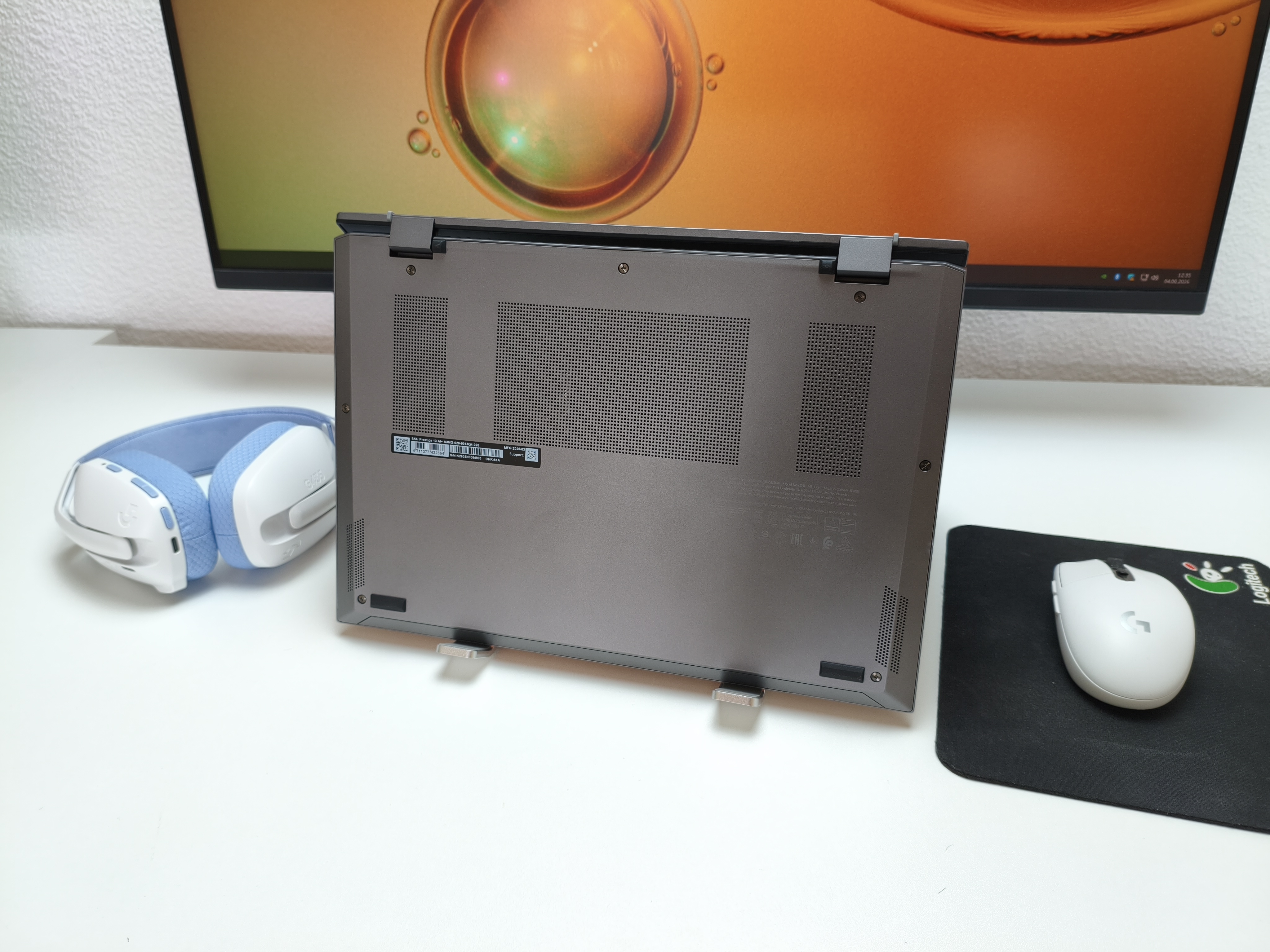
The sub-1kg laptop market just got a revealing comparison. MSI's Prestige 13 AI+, powered by Intel's Core Ultra 9 386H, went head-to-head against the Asus ZenBook A14 equipped with Qualcomm's Snapdragon X2 Elite X2E-88-100. Despite the Intel processor's newer Panther Lake architecture and the MSI's premium positioning, the Snapdragon-based ZenBook consistently outperformed it across multiple benchmarks.
Performance: Snapdragon's Clear Advantage
In sustained CPU loads measured by Cinebench R15, the Snapdragon X2 Elite averaged 2812 points compared to the Core Ultra 9 386H's 1637 points. That's a 72% performance advantage for Qualcomm's chip. The gap is particularly striking because the Snapdragon X2 Elite maintains this lead even after thermal throttling occurs, suggesting better power efficiency under continuous workloads.
The graphics disparity is even more pronounced. According to 3DMark scores, the ZenBook A14's Adreno X2-90 GPU outperforms the Intel Graphics 4 Xe3 Panther Lake iGPU by approximately 70%. This translates to tangible benefits for users who need occasional graphics acceleration, whether for photo editing, light video work, or even casual gaming.
Battery Life: ARM's Traditional Strength Continues
Battery performance shows another win for the Snapdragon platform. The ZenBook A14 lasted 16 hours in WiFi testing, while the Prestige 13 AI+ managed 12 hours. However, this comparison comes with an important caveat: the Asus packs a larger 70 Wh battery compared to MSI's 54 Wh unit. When adjusted for battery capacity, the Snapdragon's efficiency advantage remains clear but the raw runtime difference is partly attributable to hardware configuration.
The ARM Platform Question
The Snapdragon X2 Elite represents Qualcomm's continued push into Windows-on-ARM territory. The platform offers several advantages: superior power efficiency, integrated 5G connectivity options, and fanless designs in many implementations. However, software compatibility remains the key consideration. While Windows on ARM has improved dramatically with x86 emulation, some specialized applications, particularly older enterprise software or certain games with anti-cheat systems, may still encounter issues.
For users who primarily work with web browsers, Microsoft Office, creative applications like Adobe's suite, and modern development tools, the ARM compatibility gap has largely closed. The performance numbers suggest that the Snapdragon X2 Elite isn't just matching Intel's offerings but exceeding them in this weight class.
Value Proposition
The ZenBook A14 comes in at a slightly lower price point than the Prestige 13 AI+, making its performance advantage even more compelling from a value perspective. The Prestige 13 AI+'s price-performance ratio looks less attractive when the Snapdragon alternative delivers better CPU performance, significantly better graphics, and longer battery life for less money.
Who Should Consider Which

The MSI Prestige 13 AI+ makes sense for users who need guaranteed x86 compatibility, particularly those running specialized Windows software, certain development environments, or games with strict anti-cheat requirements. Intel's Thunderbolt ecosystem also provides more expansion options for users who rely on external GPUs or high-speed storage arrays.
The Asus ZenBook A14 with Snapdragon X2 Elite is the better choice for users prioritizing battery life, quiet operation, and performance-per-watt. Mobile professionals who spend long hours away from outlets, content creators who need consistent performance without fan noise, and general productivity users will find the Snapdragon platform more than capable.
The Bigger Picture
This comparison highlights a broader shift in the laptop market. For years, Intel dominated the premium ultrabook space, but ARM-based processors are now delivering superior performance in the most portable form factors. The Snapdragon X2 Elite demonstrates that ARM isn't just about efficiency anymore; it's delivering raw performance that exceeds x86 alternatives in specific configurations.
For the sub-1kg laptop segment, where battery life and thermal management are critical, the Snapdragon X2 Elite sets a new benchmark. Intel will need to respond with improvements to its Panther Lake architecture or risk losing ground in the premium ultraportable market.

The takeaway is clear: if you're shopping for a lightweight laptop and ARM compatibility isn't a concern, the Asus ZenBook A14 with Snapdragon X2 Elite offers better performance, longer battery life, and a lower price than Intel's competing solution in the MSI Prestige 13 AI+.
Comments
Please log in or register to join the discussion