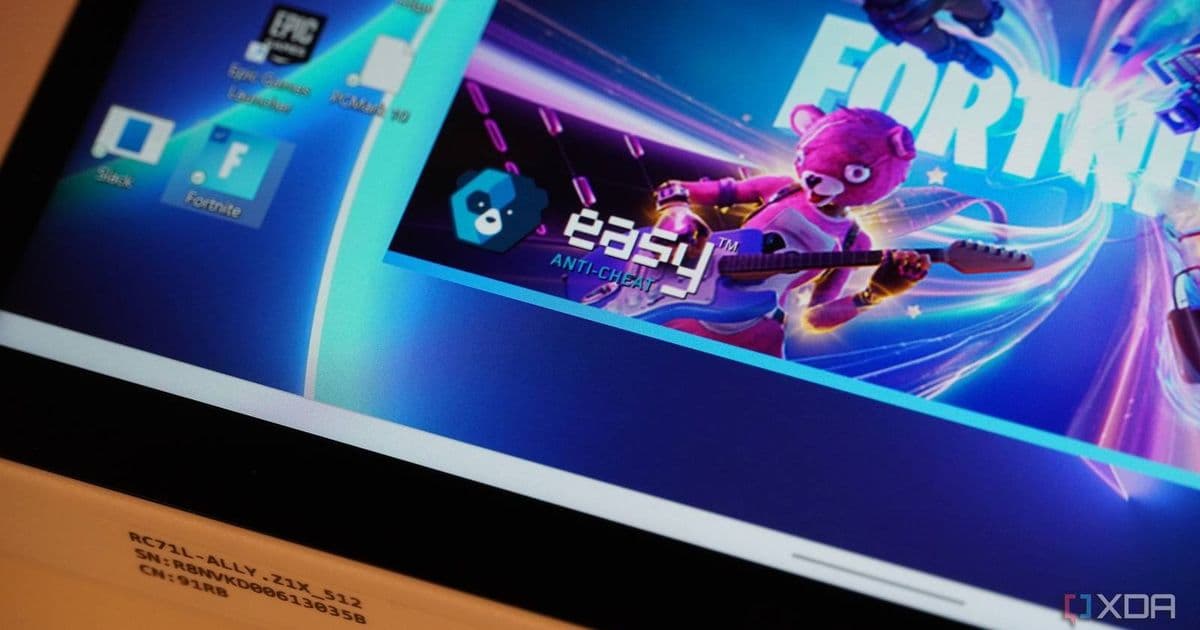
Epic Games wants a senior security engineer to lead Linux anti-cheat work, a move that could affect Fortnite, Steam Deck users and studios shipping Easy Anti-Cheat games through Proton.
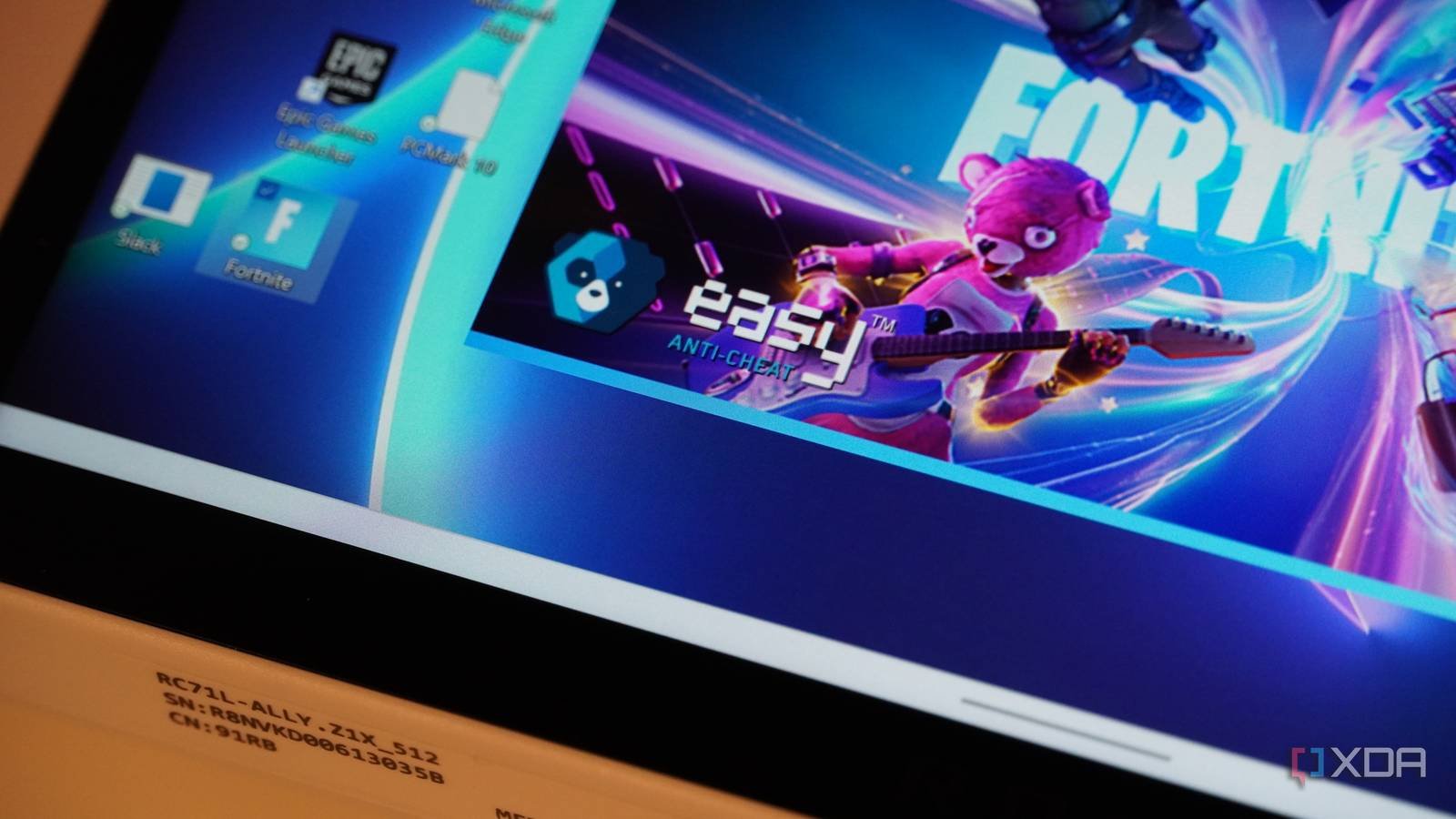
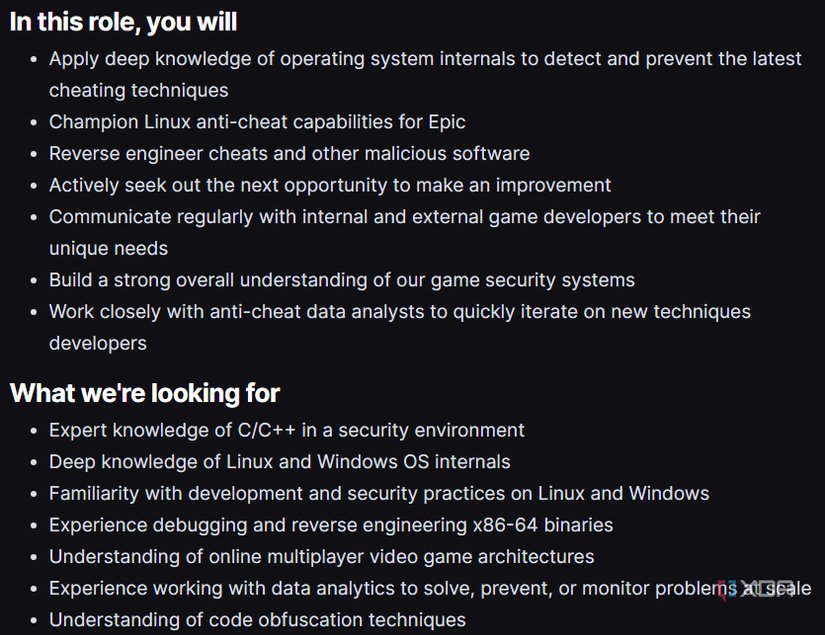
Epic Games has posted a senior game security engineer role that calls for someone to "Champion Linux anti-cheat capabilities for Epic," giving Linux players a concrete sign that the company wants deeper Easy Anti-Cheat support on the platform.
The listing asks for deep Linux and Windows OS internals knowledge, which matters for anti-cheat work because developers need to understand process behavior, kernel interfaces, memory access and system calls across both platforms. Easy Anti-Cheat already supports many PC games, but Linux players still hit compatibility blocks when publishers decline to enable support for Proton, Steam Deck or native Linux builds.
Epic has made no public commitment to bring Fortnite to Linux or to change Easy Anti-Cheat's platform policy. A job listing does not equal a shipped SDK. Still, Epic wrote the Linux requirement into the role, and that tells developers the company wants in-house expertise for one of the largest remaining pain points in Linux gaming.
Platform update
Epic's Easy Anti-Cheat protects multiplayer games from cheating by checking game integrity, monitoring suspicious behavior and helping studios enforce bans. Developers who ship on Windows can integrate it through Epic Online Services, and Epic also offers Linux support documentation for anti-cheat integration.
Linux support has a different shape than Windows support. Many Linux players run Windows games through Proton, Valve's compatibility layer for Steam. Proton translates Windows API calls into Linux-compatible behavior through Wine and related components. That lets many games run on Steam Deck and desktop Linux, but anti-cheat systems can reject the environment unless the game studio enables the right support and tests the result.
The job listing's focus on Linux and Windows internals suggests Epic wants someone who can work across that boundary. Anti-cheat engineers need to understand how cheaters attack games on Windows, then map detection and enforcement logic onto Linux without breaking legitimate Proton users. They also need to account for distributions, kernel versions, graphics stacks and handheld gaming hardware.
For players, the headline game remains Fortnite. Epic CEO Tim Sweeney has said in past public comments that Fortnite does not support Linux because the company does not trust Linux anti-cheat security at Fortnite scale. The new hiring language does not reverse that position, but it names the work that would need to happen before Epic could revisit it.
Developer impact
Game studios that use Easy Anti-Cheat face a practical decision: enable Linux and Proton support, test it, then keep watching for false positives and bypasses. Many studios lack staff who can debug anti-cheat failures across Windows, Linux and Steam Deck. If Epic strengthens the SDK, documentation and support path, more studios could treat Linux compatibility as a normal release task instead of a risky exception.
Steam Deck gives this work commercial weight. Valve's Steam Deck Verified program tells buyers which games work well on the handheld. Multiplayer games that fail anti-cheat checks lose access to a large audience of handheld PC players. Developers can ship a game that runs at a solid frame rate and still fail the user if matchmaking blocks them at launch.
Anti-cheat also affects cross-platform planning. A studio maintaining Windows, Linux, Steam Deck and cloud builds needs one security model that respects each runtime. If the Windows client runs one anti-cheat path and the Proton client runs another, the team must test both during each release. Better Linux support from Epic could reduce that burden, but developers would still need release gates, telemetry and support staff who understand the platform.
Engine teams should watch for SDK changes that affect build packaging, runtime permissions and server-side enforcement. Security teams should expect trade-offs. Linux gives users more control over their systems, and anti-cheat vendors often ask for stronger guarantees than an open desktop platform can provide. Epic will have to balance player privacy, developer trust and cheat resistance.
Migration
Studios using Easy Anti-Cheat should start by auditing their current Linux and Proton status. Check whether the game launches under Proton, whether matchmaking accepts the client, and whether the studio has enabled the required anti-cheat files for Linux builds. Valve documents Proton issues through public channels such as the Proton issue tracker, and player reports on ProtonDB can help teams spot common failures.
Teams should add Steam Deck and desktop Linux checks to release testing if they want to support the platform. A narrow test matrix can start with SteamOS on Steam Deck and one common desktop distribution such as Ubuntu or Fedora. The key tests should cover launch, login, matchmaking, reconnects, bans, crashes and updates. Anti-cheat failures often appear after patching, so teams need to test the update path, not only fresh installs.
Developers should also separate technical compatibility from policy. A game can run under Proton while the studio still blocks Linux clients because of fraud risk, support cost or tournament rules. Product teams should write that decision down. Support agents need clear language for players, and engineers need to know whether a failed Linux launch counts as a bug or an unsupported case.
Epic's hiring move gives Linux gaming a better signal than a vague promise. The company wants someone with the skills to work on anti-cheat at the OS level, and Linux sits in the role description. For developers maintaining multiplayer games, that makes Easy Anti-Cheat worth watching during the next SDK cycle.
Comments
Please log in or register to join the discussion