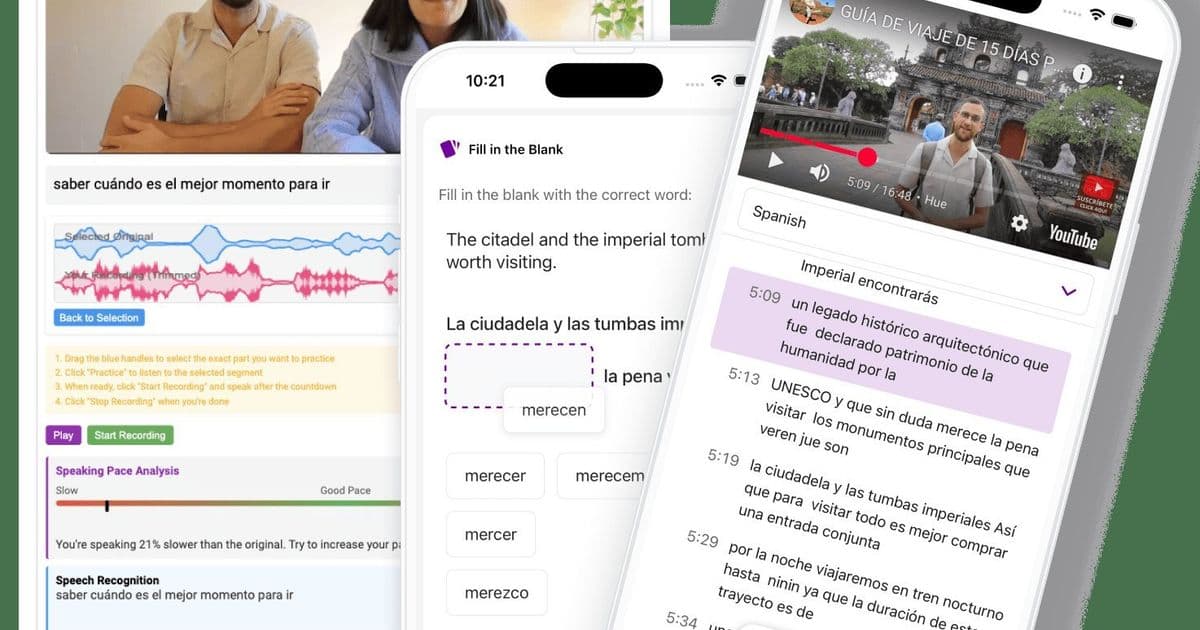
LingoLingo is set to launch Challenge Mode, a feature that transforms YouTube's extensive library of native-speaker content into tailored 7-day language learning journeys. By curating videos based on user interests and proficiency, it aims to boost engagement through authentic, real-world practice while tracking progress with daily activities. This innovation highlights how AI-driven personalization can revolutionize self-paced education in the crowded edtech space.
In an era where YouTube hosts the largest repository of spoken language globally, language learning apps are racing to harness its potential. LingoLingo's upcoming Challenge Mode, launching at the end of September 2025, does just that—turning passive video consumption into an active, structured educational experience. Designed for developers and language enthusiasts, this feature exemplifies how modern edtech leverages massive datasets and personalization algorithms to create more immersive learning tools.
How Challenge Mode Works
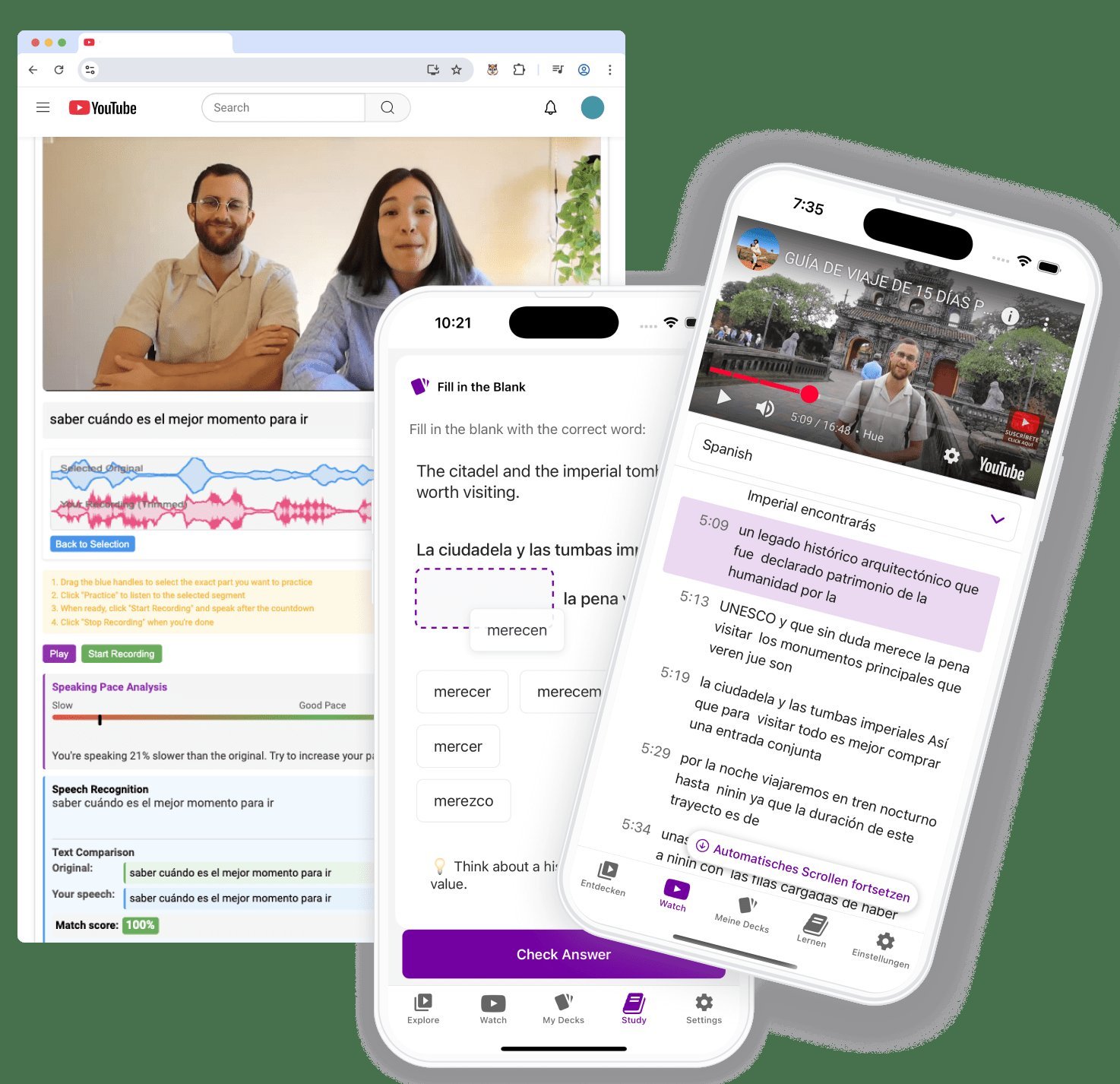
At its core, Challenge Mode invites users to create a self-contained 7-day program tailored to their language goals. You start by selecting your target language (e.g., Spanish, Chinese, or Japanese), proficiency level (beginner to advanced), and interests like travel or culture. LingoLingo then generates a daily regimen:
- Curated YouTube Videos: Each day, the app serves authentic content from native speakers, moving beyond generic textbooks to real-world dialogues, vlogs, and tutorials. This taps into YouTube's diverse linguistic data, offering contextual learning that mirrors natural acquisition.
- Daily Activities: Users reinforce lessons with exercises tied to the videos, such as vocabulary drills or comprehension quizzes, ensuring retention through applied practice.
- Progress Tracking: A built-in dashboard visualizes improvements over the week, with reminders to maintain consistency and options to share achievements with a global learner community.
The system's emphasis on personalization—using inputs like interests and skill level—suggests underlying AI for content curation, though LingoLingo hasn't detailed its algorithms. This approach not only sustains motivation but also addresses common pitfalls in language apps, like disengagement from irrelevant material.
Why This Matters for Tech and Developers
For the tech industry, Challenge Mode underscores a broader trend: the fusion of entertainment platforms like YouTube with educational tools to create scalable, engaging learning experiences. Developers can draw insights from its use of APIs for video integration and data-driven personalization, which could inspire similar innovations in fields like vocational training or corporate upskilling. Moreover, it highlights challenges in content moderation and bias—curating 'authentic' videos requires robust filtering to ensure quality and appropriateness.
Educationally, this model promotes accessibility by democratizing high-quality resources, but it also raises questions about data privacy and the digital divide. As language learning shifts toward user-generated content, tools like LingoLingo could push edtech toward more adaptive, habit-forming designs that prioritize real-world application over rote memorization.
Ready to explore? LingoLingo is available now, with Challenge Mode rolling out soon. Download it to start your personalized journey:

 {{IMAGE:4}}
Comments
Please log in or register to join the discussion