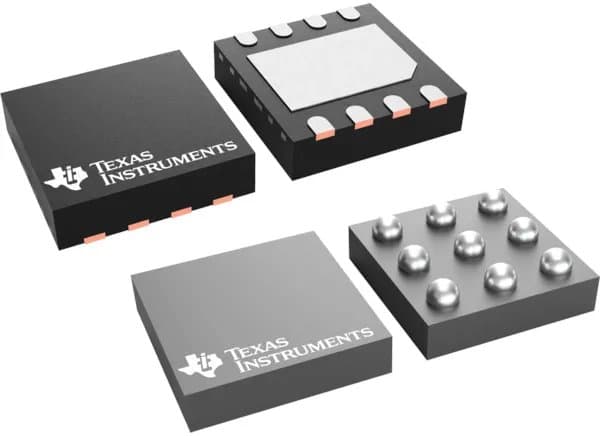
Linux 7.0 introduces support for TI's LP5812 RGB LED driver featuring an 'autonomous animation engine' that reduces CPU load by handling LED effects directly in hardware.
Linux 7.0 introduces a new TI RGB LED driver that caught my attention with its "autonomous animation engine" integration. The driver supports the TI LP5812, a 4x3 matrix RGB LED controller with I2C interface designed for portable electronics, smart speakers, gaming hardware, IoT devices, and networking equipment.
At first glance, "autonomous animation engine" sounds like marketing fluff, but in this context it's actually quite practical. The hardware feature allows the LED driver to manage lighting effects without continuous microcontroller input. This means reduced CPU load, more complex effects, and better synchronization across multiple LEDs.
This is particularly relevant for embedded systems and IoT devices where CPU resources are limited. Instead of the main processor constantly updating LED states, the LP5812 handles animations internally. For applications like smart home devices or wearables, this frees up processing power for more critical tasks while maintaining smooth, coordinated lighting effects.
The LP5812 joins other LED driver updates in Linux 7.0, including TI LP5860 support and a new driver for the Osram AS3668 4-channel I2C LED controller. These additions expand Linux's hardware support for modern LED control systems used in everything from consumer electronics to industrial equipment.
For developers working on embedded Linux projects with RGB lighting, this driver provides a standardized way to leverage TI's hardware acceleration features. The autonomous animation engine could be particularly useful for creating sophisticated visual feedback systems without burdening the main application processor.
All the details are available in the Linux 7.0 Git repository for those interested in the technical implementation.
Comments
Please log in or register to join the discussion