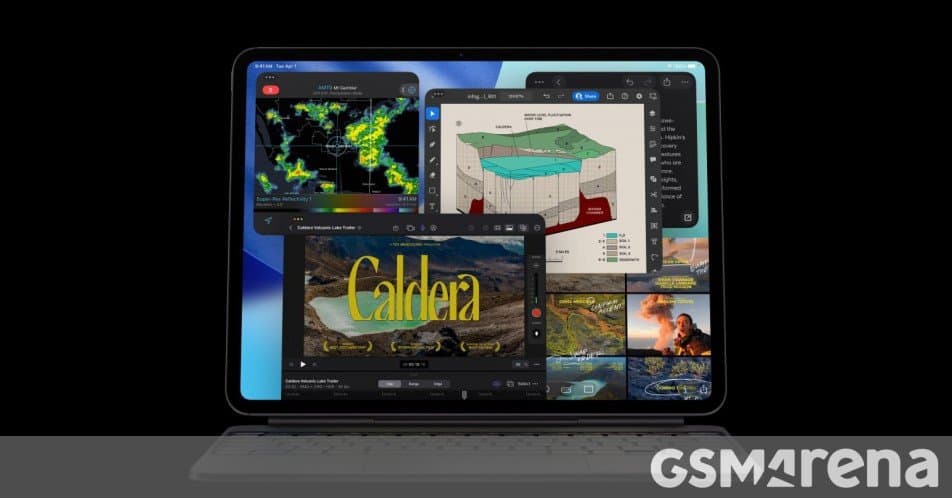
New rumors suggest Apple's high-end tablets won't see significant changes for years, citing rising OLED costs and limited sales growth as key factors.
According to a new rumor from China, Apple's iPad Pro lineup may be left without a major update for years to come. Leaker Instant Digital believes the current M5 generation iPad Pro 13 and iPad Pro 11 are not going to get significant updates anytime soon.
This rumor makes sense as Apple tends to wait a hefty amount of time before bringing any drastic changes to its Pro tablets. The iPad Pro received its first major redesign in 2018 with the Pro 11 (2018) and Pro 12.9 (2018) and then in 2024 with the M4 generation models.
According to the new rumor, there are several factors at play, with rising OLED panel costs and limited sales growth being the key issues. The latest M5 generation iPad Pros utilize Ultra Retina Tandem OLEDs, which feature two organic light-emitting layers instead of one as you'd find on regular OLED panels. This approach allows for higher brightness output and extends the panel's lifespan, but also drives up its cost significantly.
In addition, Apple is reportedly not going into the battle of ultra-thin display bezels like rivals Samsung and Huawei. With that said, the iPad Pro is expected to get its next update either this year or in 2027. It will likely be a chip update once the M6 generation is out.
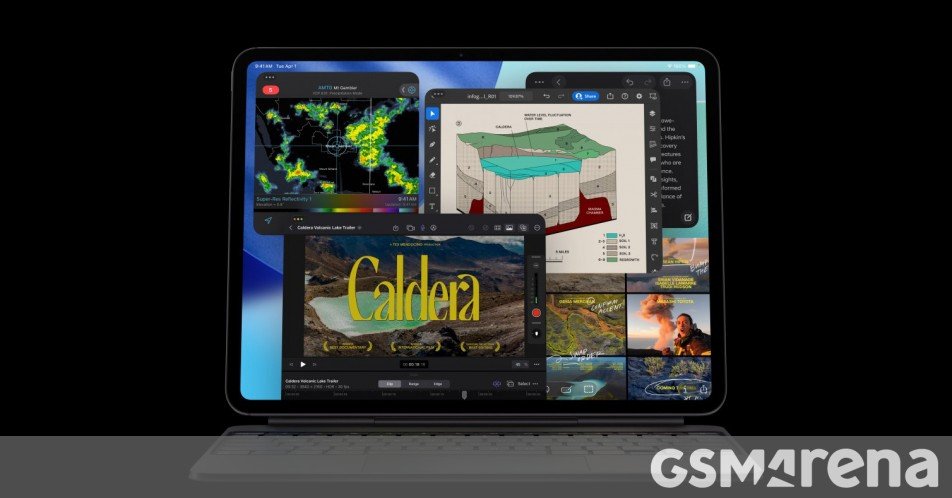
The iPad Pro's update cycle has historically been more conservative than Apple's iPhone lineup. While iPhones typically receive annual updates, the iPad Pro has seen major redesigns spaced several years apart. The 2018 redesign introduced Face ID and eliminated the home button, while the 2024 update brought the M4 chip and Ultra Retina Tandem OLED displays.
This extended update cycle for the iPad Pro reflects several market realities. First, the tablet market has matured significantly since the iPad's initial launch in 2010. Consumer upgrade cycles for tablets tend to be longer than for smartphones, with many users keeping their devices for three to five years or more.
Second, the Ultra Retina Tandem OLED technology, while impressive, comes with substantial manufacturing costs. By using two OLED layers instead of one, Apple achieves better brightness and longevity, but this doubles the complexity and expense of the display. This cost factor likely influences Apple's decision to space out major updates for its premium tablet lineup.
Third, Apple's strategy with the iPad Pro appears to focus on maintaining its position as a premium device rather than competing on specifications alone. While competitors like Samsung and Huawei push for thinner bezels and more frequent design changes, Apple seems content to let its iPad Pro evolve more gradually.

The potential delay in major updates could have implications for Apple's broader ecosystem strategy. The iPad Pro serves as a showcase for Apple's most advanced technologies, often debuting features that later trickle down to other iPad models. A longer gap between major updates might slow the pace at which cutting-edge features reach Apple's tablet lineup as a whole.
For current iPad Pro users, this rumor suggests that their devices will remain competitive for a longer period. The M5 chip, combined with the Ultra Retina Tandem OLED display, represents a significant technological achievement that should remain powerful and visually impressive for several years.
However, for potential buyers considering an iPad Pro purchase, this information might influence their decision-making. Those seeking the latest and greatest might choose to wait for the M6 update, while others might find the current models more attractive knowing they won't be immediately superseded by a major redesign.
The iPad Pro's role in Apple's product ecosystem also factors into this update strategy. As Apple continues to position the iPad Pro as a laptop alternative for certain users, the company may be focusing more on software improvements and accessory development rather than frequent hardware overhauls.
This approach aligns with Apple's broader philosophy of creating devices that remain useful for many years. By spacing out major hardware updates, Apple can focus on optimizing the software experience and ensuring that each generation of iPad Pro remains relevant for an extended period.
The rumored delay in major updates for the iPad Pro series highlights the maturing tablet market and Apple's strategic approach to its premium tablet lineup. While some users may be disappointed by the prospect of waiting longer for significant changes, this strategy could ultimately result in more meaningful and impactful updates when they do arrive.
Comments
Please log in or register to join the discussion