The AI boom is creating a perfect storm for consumer electronics, with memory shortages, skyrocketing prices, and entire product lines at risk of cancellation as tech giants pour trillions into data center infrastructure.
The Consumer Electronics Show of 2026 painted a stark picture of the industry's future. What should have been a showcase of innovation instead resembled a corporate technology summit, dominated by AI announcements and a handful of incremental upgrades. The absence of groundbreaking consumer hardware wasn't just disappointing—it was a warning sign of a fundamental shift in the semiconductor landscape.
The Perfect Storm Brewing
At the heart of this crisis lies an insatiable demand for AI infrastructure. Tech giants like Meta, Amazon, and Microsoft have collectively committed approximately $650 billion in capital expenditures for 2026 alone, with projections suggesting AI infrastructure spending could surpass $3 trillion over the next five years. This tsunami of investment is creating unprecedented pressure on the global semiconductor supply chain.
Memory Markets in Crisis
The impact is already visible across multiple sectors. DRAM and NAND flash prices have reached eye-watering levels, forcing companies to make difficult decisions. AMD has reported increased demand for its older AM4 platform over the newer DDR5-only AM5, as memory costs become prohibitive for many builders. Valve continues to struggle with Steam Deck inventory while delaying pricing announcements for upcoming hardware.
Framework, the modular laptop manufacturer, has been forced to increase prices by 6-16% due to DDR5 memory costs now ranging between $12-16 per gigabyte. CEO Nirav Patel warns that costs from suppliers will continue to increase over the coming months.
The AI Data Center Appetite
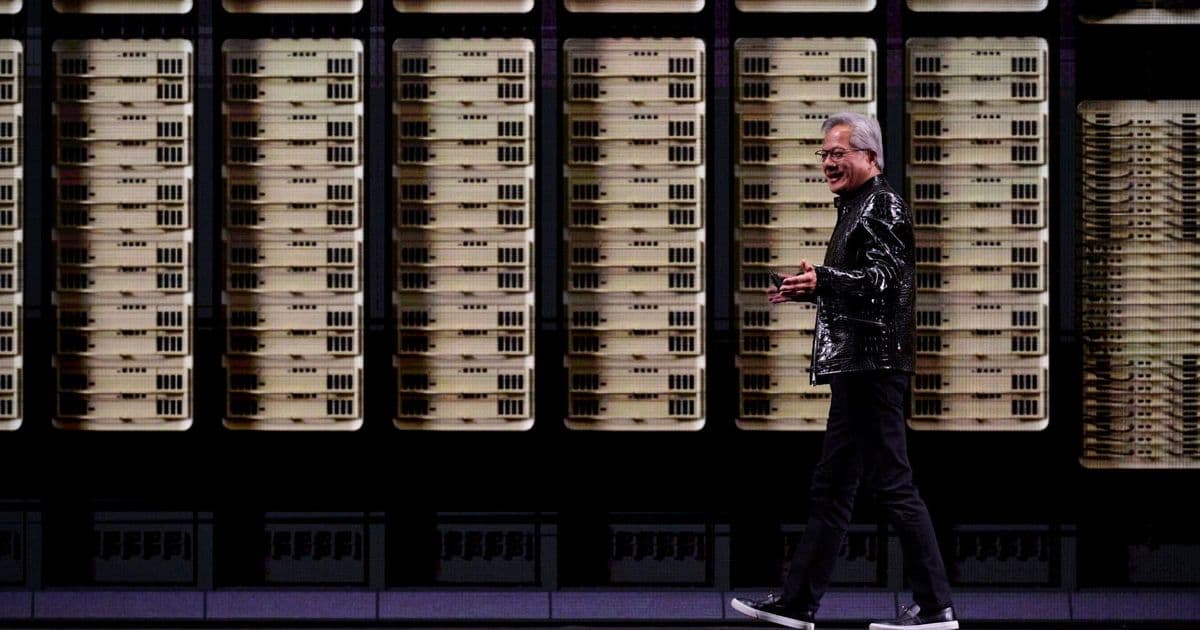
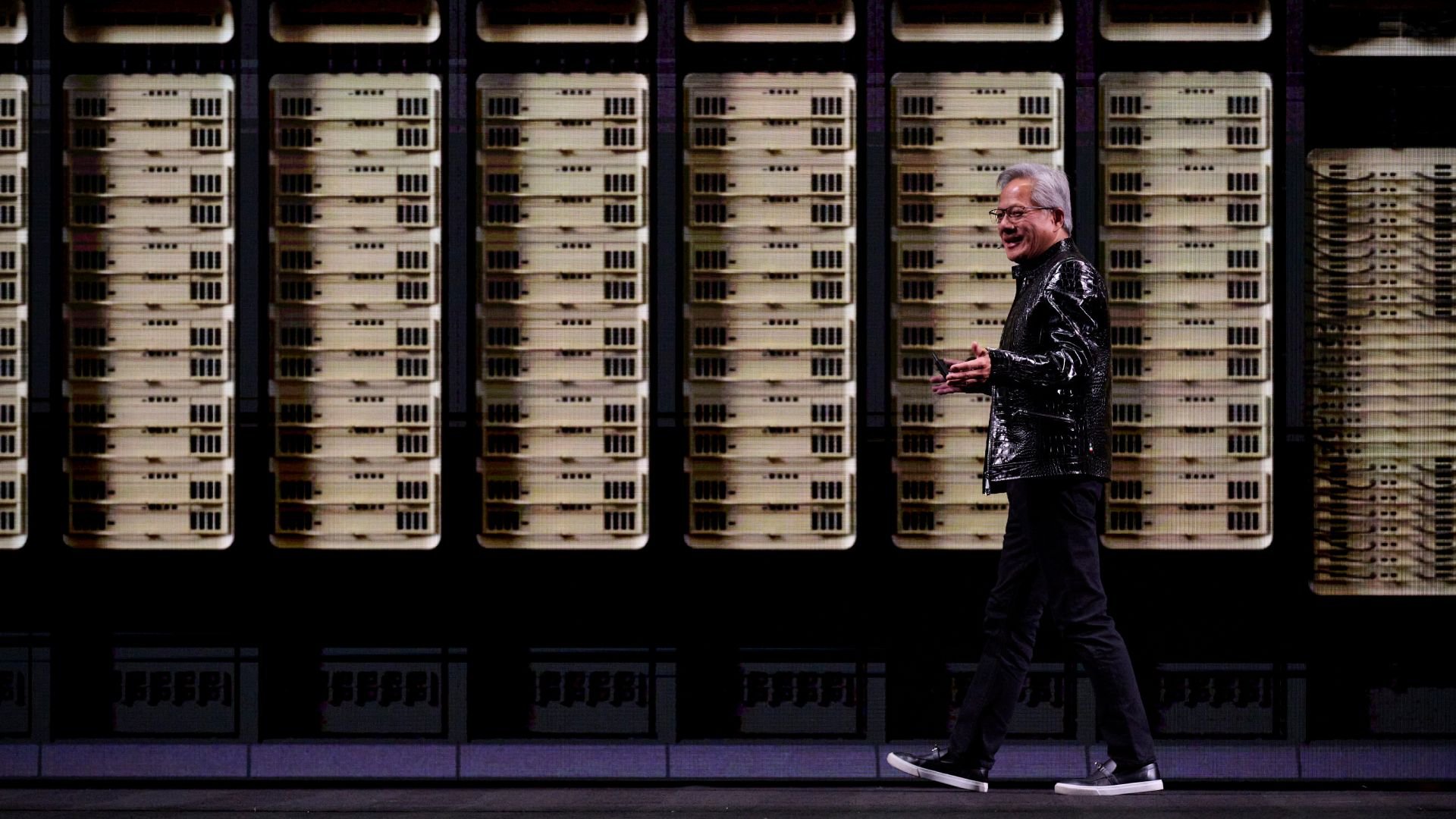
To understand the scale of AI's memory consumption, consider a single Nvidia Rubin NVL144 rack. This system integrates 144 GPUs, requiring a staggering 20,736 terabytes of HBM4 memory. Each Rubin superchip contains 288GB of HBM4, which uses vertically stacked memory ICs—requiring approximately three times the number of ICs compared to traditional DDR5 modules.

The Qualification Bottleneck
Beyond raw demand, the industry faces a critical qualification bottleneck. Automotive and industrial applications require specially qualified ICs (AEC-Q100) for extreme temperature operation. These specialty chips, which offer lower margins compared to AI-focused components, are being deprioritized as memory makers chase the more lucrative AI market.
"It's not that we can no longer make semiconductors, or we can't make enough semiconductors. We're in a situation where the industry is constrained by qualification and requalification," explains Akshay Baliga, director at AlixPartners.
The Death Spiral for Smaller Players
The economics of memory procurement create a dangerous dynamic. Larger customers can secure better pricing terms and longer contracts, while smaller manufacturers face higher costs and shorter contract durations. This exposes them to greater market volatility and pricing pressure.
IDC projects the PC market could shrink by up to 9% as a result of these pressures. For smaller electronics makers, such declines could prove catastrophic. "Consumer electronics will see a large number of failures. From the end of this year to 2026, many system vendors will go bankrupt or exit product lines due to a lack of memory," warns Phison CEO Pua Khein-Seng.
The Model Size Explosion
AI's memory hunger is driven by exploding model sizes. Moonshot AI's Kimi 2.5, for example, offers 1 trillion parameters in its latest Mixture of Experts model, requiring data-center-grade hardware for full deployment. Even with efficiency improvements like Nvidia's NVFP4 format, which offers substantial memory usage reductions, the race toward artificial general intelligence ensures demand continues to outpace supply.
The Long Winter Ahead
The semiconductor industry is experiencing what some call a "great consumer chip winter." With AI infrastructure investment showing no signs of slowing, and memory makers prioritizing high-margin AI applications over consumer products, the outlook for traditional consumer electronics remains bleak.
Industry analysts suggest the earliest potential relief might come by 2030, though some predict the crisis could extend for another decade. For consumers, this means fewer product launches, higher prices, and potentially the disappearance of entire product categories.
As the dust settles on CES 2026, one thing becomes clear: the consumer electronics industry as we know it may be entering a period of fundamental transformation, with only the largest players likely to survive the coming years of scarcity and consolidation.
Comments
Please log in or register to join the discussion