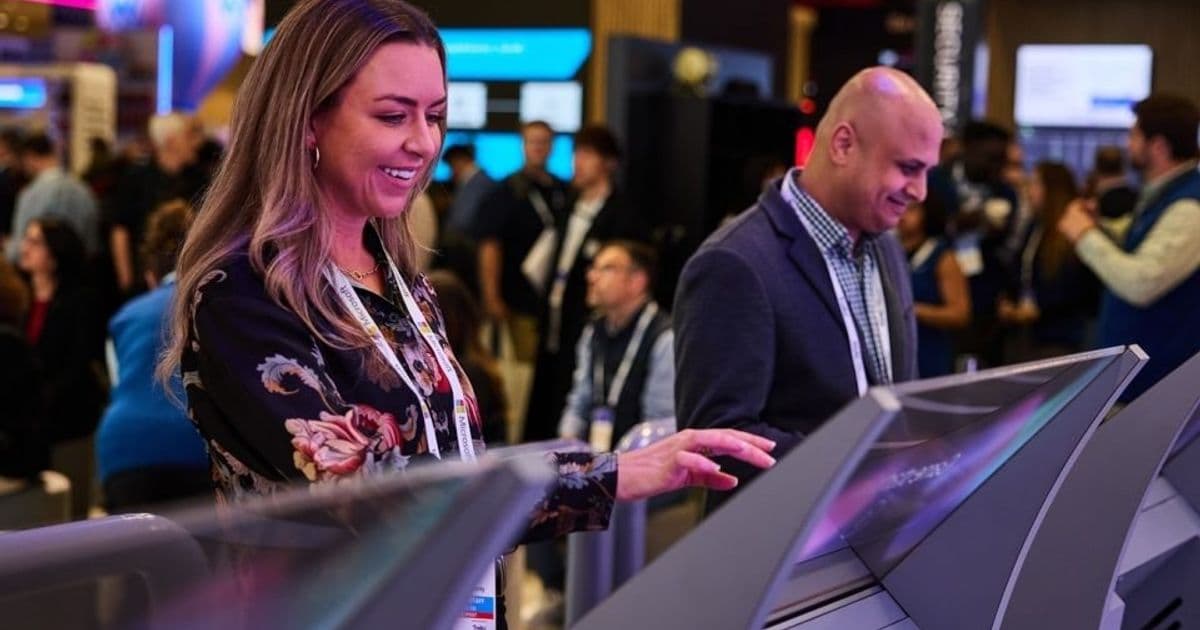
Microsoft positions itself as the go-to AI security partner at RSAC 2026, showcasing end-to-end protection for the AI stack and agentic AI capabilities through executive keynotes, hands-on sessions, and exclusive networking events.
Microsoft is positioning itself at the forefront of AI security innovation as the industry grapples with unprecedented challenges at RSAC 2026. The company's comprehensive approach spans from executive vision to hands-on technical demonstrations, reflecting the critical shift security leaders face: adapting to AI-driven threats rather than questioning if they'll arrive.
The AI Security Imperative
The security landscape has fundamentally transformed. AI is no longer a future consideration—it's the present reality that security teams must navigate. Microsoft's messaging at RSAC 2026 centers on this urgency, emphasizing that organizations need to move beyond reactive defense to proactive, AI-powered protection strategies.
This shift represents more than incremental improvement. Security teams are now tasked with defending against AI-powered attacks while simultaneously securing their own AI implementations. The complexity multiplies when considering autonomous agents that operate with increasing independence across enterprise environments.
Executive Vision: The Foundation
Microsoft kicks off RSAC 2026 with a powerful statement of intent. Vasu Jakkal, CVP of Microsoft Security Business, will deliver the opening address at the Microsoft Pre-Day event on Sunday, March 22, at the Palace Hotel. Her keynote promises to outline how AI and autonomous agents are fundamentally reshaping defense strategy.
This executive perspective sets the tone for the entire conference week. Jakkal's insights will likely address the strategic implications of AI security, moving beyond technical specifications to explore how organizations can build resilient, future-proof security postures in an AI-dominated threat landscape.
The Microsoft Security Hub: A Strategic Base
The Palace Hotel transforms into the Microsoft Security Hub, serving as more than just a meeting space. It becomes a strategic command center where security professionals can step away from the chaos of the main conference floor to engage in focused discussions, join roundtables, and recharge.
This approach recognizes a fundamental truth about modern security conferences: the most valuable interactions often happen in these quieter, more intentional spaces. The hub provides a controlled environment where Microsoft experts and partners can engage deeply with attendees on specific challenges and solutions.
Deep-Dive Opportunities: 1:1 Meetings
Understanding that generic presentations rarely address specific organizational needs, Microsoft offers dedicated 1:1 meeting opportunities with security leaders and product experts. These sessions allow attendees to go deep on their unique priorities, roadmaps, and product questions.
The ability to book personalized consultations represents a significant value proposition. Security leaders can discuss their specific threat landscapes, compliance requirements, and technical constraints with Microsoft's team, receiving tailored guidance rather than one-size-fits-all solutions.
The Post-Day Forum: Hands-On Learning
Microsoft extends the RSAC experience beyond the main conference with a half-day program at the Microsoft Experience Center in Silicon Valley on Thursday, March 26. This Post-Day Forum focuses on practical, hands-on discussions with security and AI experts.
The format emphasizes interactive sessions that go "beyond the mainstage," suggesting deeper technical exploration and practical application. The inclusion of transportation from downtown San Francisco demonstrates Microsoft's commitment to making this extended learning opportunity accessible to attendees.
Agentic AI: The New Security Frontier
Central to Microsoft's RSAC 2026 presence is the concept of "agentic AI"—autonomous agents that can operate with increasing independence in security operations. This represents a significant evolution from traditional security tools that require constant human oversight.
Agentic AI promises to address the scale and speed challenges that overwhelm human teams. These systems can analyze patterns, identify anomalies, and respond to threats at machine speed, potentially closing the gap between detection and response that attackers currently exploit.
However, this capability introduces new security considerations. Autonomous agents themselves become potential attack surfaces, requiring robust security measures to prevent compromise or manipulation. Microsoft's focus on defending "every layer of the AI stack" acknowledges this complexity.
Strategic Networking: The Human Element
Beyond the technical content, Microsoft has structured its RSAC presence to facilitate meaningful connections. The Pre-Day networking reception and invite-only CISO dinner create exclusive environments for peer-to-peer learning and relationship building.
These networking opportunities recognize that security challenges are often best addressed through collective intelligence and shared experiences. CISOs facing similar threats can exchange strategies, war stories, and lessons learned in ways that formal presentations cannot replicate.
The Competitive Landscape
Microsoft's comprehensive RSAC 2026 strategy positions the company as a thought leader in AI security. By offering executive vision, technical depth, hands-on experience, and strategic networking, Microsoft creates a compelling value proposition that extends beyond product demonstrations.
This approach contrasts with competitors who may focus more narrowly on specific product announcements or technical sessions. Microsoft's end-to-end platform vision suggests confidence in their ability to address the full spectrum of AI security challenges.
Practical Implications for Security Leaders
For security leaders attending RSAC 2026, Microsoft's presence offers several concrete benefits:
- Strategic clarity on AI security trends and requirements
- Technical insights into defending AI systems and autonomous agents
- Practical guidance on implementing AI-powered security solutions
- Opportunities to validate their current approaches against Microsoft's vision
- Access to Microsoft's expertise for addressing specific organizational challenges
Looking Beyond RSAC
The true measure of Microsoft's RSAC 2026 strategy will be its impact on the broader security industry. By positioning AI security as a central concern and demonstrating comprehensive solutions, Microsoft may influence how organizations prioritize their security investments and strategies.
The emphasis on agentic AI and end-to-end platform protection could accelerate industry adoption of these approaches, potentially setting new standards for what constitutes effective security in an AI-driven world.
Conclusion
Microsoft's RSAC 2026 strategy reflects a deep understanding of the current security landscape. The company recognizes that AI has fundamentally altered the security equation, requiring new approaches, tools, and strategies.
By offering a comprehensive experience that spans executive vision, technical depth, hands-on learning, and strategic networking, Microsoft positions itself as an essential partner for organizations navigating the AI security challenge. The question for security leaders is no longer whether to engage with AI security, but how to get ahead of what comes next—and Microsoft aims to be the guide on that journey.
For security professionals planning their RSAC 2026 experience, Microsoft's presence offers a unique opportunity to gain both strategic perspective and practical guidance on one of the most critical challenges facing the industry today.
Comments
Please log in or register to join the discussion