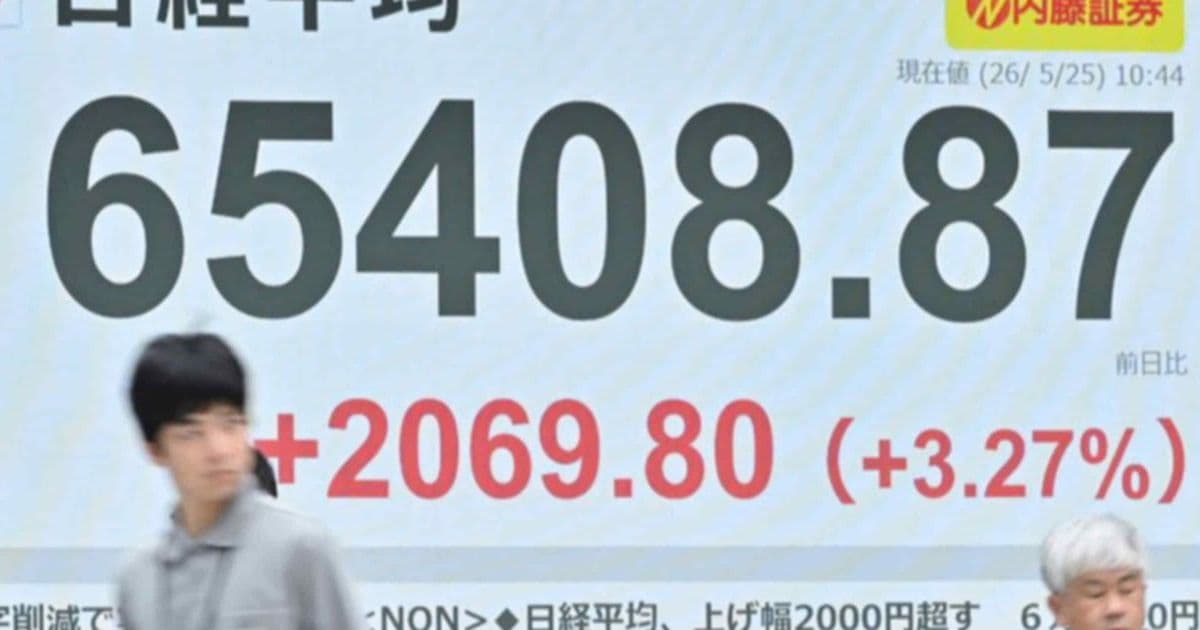
Japanese equities hit all-time intraday highs on May 25, 2026, with the Topix index reaching unprecedented levels and the Nikkei gaining 3% as investors embraced riskier assets amid reports of progress in U.S.-Iran peace negotiations, leading to lower oil prices and increased market confidence.
Japanese stocks reached a significant milestone on Monday, May 25, 2026, as the Tokyo Stock Price Index (Topix) surged to an all-time intraday high while the Nikkei average climbed 3%, reflecting growing investor optimism about potential diplomatic breakthroughs in U.S.-Iran negotiations.
The market rally, which saw Japanese stocks climb across the board, comes amid reports of substantial progress in peace negotiations between the United States and Iran. President Trump, while downplaying any imminent final agreement, acknowledged that the framework of a potential Iran deal is "largely negotiated," a statement that has been interpreted by markets as a positive development toward de-escalating tensions in the Middle East.
This diplomatic optimism has had a direct impact on commodity markets, with oil prices experiencing significant declines. Lower energy prices typically benefit import-dependent economies like Japan, which relies heavily on foreign energy sources. The reduction in oil prices has multiple positive implications for Japanese companies: decreased input costs, improved profit margins, and reduced inflationary pressures that might otherwise prompt tighter monetary policy.
The market's reaction demonstrates how geopolitical developments can quickly translate into financial market movements. When tensions ease in oil-producing regions, global markets often respond positively as investors anticipate reduced risk premiums and more stable economic conditions. This pattern has been particularly evident in Japanese equities, which have shown sensitivity to Middle East peace developments in recent months.
The Topix's all-time intraday high represents a significant psychological barrier for Japanese markets, which have been gradually recovering from previous geopolitical uncertainties. The index's performance indicates that investors are increasingly confident in Japan's economic fundamentals and are willing to take on more risk in anticipation of continued growth. The Topix index is the most widely quoted Japanese stock market indicator and includes all companies listed on the First Section of the Tokyo Stock Exchange.
Several sectors contributed to the broad-based rally, with technology companies, manufacturers, and financial services leading gains. The memory chip sector, in particular, has been performing strongly, with companies like Kioxia experiencing significant market capitalization growth amid the ongoing AI investment boom. This suggests that the market optimism is not solely geopolitical in nature but also reflects confidence in Japan's technological advancement and innovation capabilities.
From a strategic perspective, this market movement highlights the interconnected nature of global finance and geopolitics. The potential for an Iran deal, even if not finalized, has already created positive ripple effects across multiple asset classes. For Japanese investors, this represents an opportunity to reassess risk allocations and potentially increase exposure to equities that benefit from both improved geopolitical conditions and domestic economic strengths.
The Bank of Japan's monetary policy stance will likely remain accommodative despite recent concerns about long-term bond yields hitting record highs. With inflation remaining relatively contained due to factors like lower energy prices, the central bank may maintain its current policy framework, providing continued support to equity markets.
Looking ahead, investors will closely monitor developments in the Iran negotiations, as any further progress could fuel additional gains in Japanese equities. However, markets may also become more sensitive to potential setbacks in diplomatic efforts, highlighting the delicate balance between geopolitical optimism and risk management in investment strategies. The Nikkei average has historically been sensitive to international relations developments, particularly those affecting energy markets.
The current market environment presents several opportunities for both domestic and international investors. Japanese companies with significant exposure to international markets may benefit from reduced geopolitical risk premiums, while domestic-focused companies could benefit from improved consumer and business confidence that often accompanies positive market sentiment.
As Japanese markets continue to reach new highs, investors should consider both the potential upside from continued geopolitical de-escalation and the risks associated with potential policy changes or unexpected developments in international relations. The current rally appears to be driven by fundamental improvements in the geopolitical landscape rather than speculative excess, suggesting that gains may be sustainable if diplomatic progress continues. Information about U.S.-Iran relations can provide additional context for investors monitoring these developments.
This market movement also reflects broader trends in global finance, where geopolitical developments increasingly drive short- to medium-term market movements. As we navigate an increasingly complex international landscape, investors who can effectively assess and price geopolitical risk will likely have a significant advantage in identifying market opportunities and avoiding potential pitfalls.
Comments
Please log in or register to join the discussion