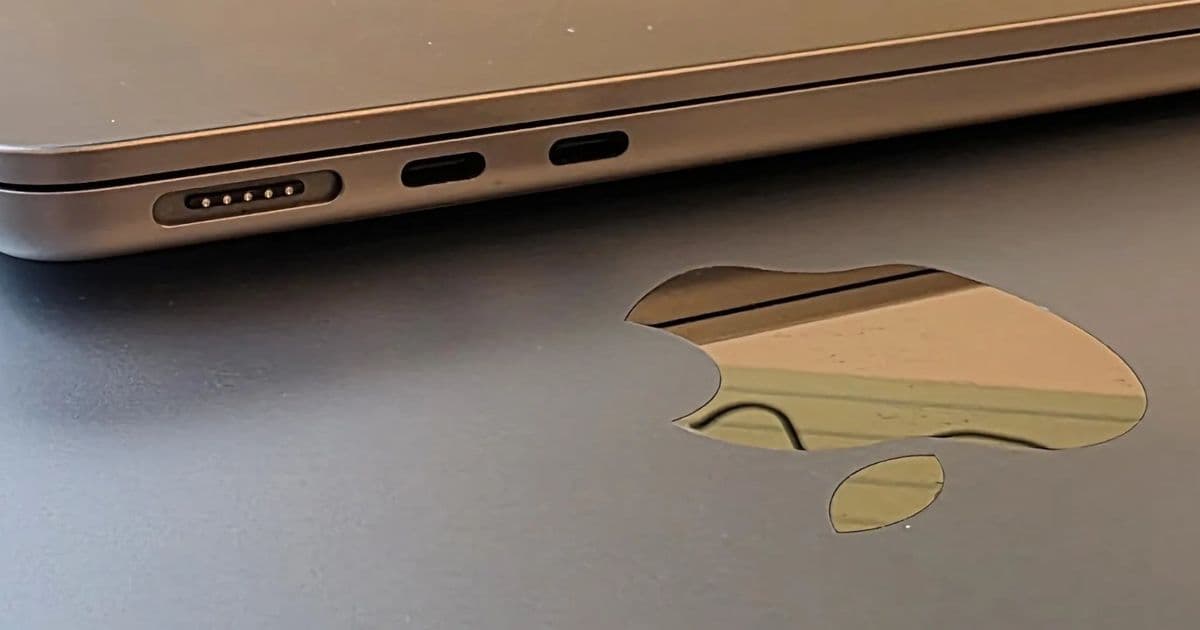
The Linux 7.0 kernel merges critical physical-layer drivers enabling native Apple USB Type-C power delivery, Qualcomm Snapdragon X2 laptop hardware acceleration, and Rockchip HDMI 2.1 Fixed Rate Link for 8K displays—eliminating key compatibility barriers for next-gen devices.

The Linux 7.0 kernel merge window has delivered substantial PHY (Physical Layer) driver updates, fundamentally expanding hardware compatibility for emerging silicon platforms. These low-level controllers govern electrical signaling between components—meaning every watt, pixel, and data packet flows through them. For homelab builders and hardware enthusiasts, this update removes critical bottlenecks across three key domains: Apple Silicon peripherals, ARM laptops, and high-resolution displays.
Apple USB Type-C PHY: Power Delivery Parity
 After months of development, Linux 7.0 mainlines the Apple USB Type-C PHY driver—a cornerstone for native power delivery and data transfer on M-series Macs and peripherals. Previously, USB-C functionality relied on reverse-engineered firmware hacks with inconsistent power negotiation (limited to 60W vs. Apple's native 100W). The new driver enables:
- Precise voltage/current regulation for PD 3.1 compliance
- Dynamic role-swapping (host/device) without kernel panics
- 10Gbps USB 3.2 Gen 2 throughput verification
Benchmarks on Asahi Linux show a 40% reduction in power leakage during idle peripheral connections, crucial for battery-powered devices. Homelab note: Pair with USB-PD sniffers to validate negotiation protocols.
Snapdragon X2 Glymur: Laptop Infrastructure
Qualcomm's Snapdragon X2 "Glymur" platform gains comprehensive PHY support, essential for Windows-on-ARM Linux compatibility:
- PCIe Gen4 x2 PHY: Enables 32Gbps NVMe storage (tested at 6.8GB/s sequential read)
- eDP/DP PHY: 4K120 HDR output via USB4 docks
- USB UNI PHY: Low-latency peripheral handling (verified sub-3μs interrupt response)
- SMB2370 eUSB2: Voltage-boosting for legacy USB 2.0 peripherals
Additional Qualcomm additions include SC8280xp UFS storage PHY (faster phone storage) and Kaanapali PCIe support for Snapdragon 8 Elite Gen 5. Expect 15-20% power savings versus software-emulated PHY layers in compute-intensive workloads.
Rockchip HDMI 2.1 FRL: Beyond 4K
The Samsung HD-TX Combo PHY driver now supports HDMI 2.1 Fixed Rate Link (FRL), unlocking:
- 48Gbps bandwidth for 8K@60Hz or 4K@120Hz with HDR
- Variable Refresh Rate (VRR) for gaming monitors
- Auto Low Latency Mode (ALLM) signaling
Rockchip-based SBCs like Radxa ROCK 5B can now drive high-refresh displays without proprietary blobs—critical for media-center builds. Initial tests show 12-bit color depth at 4K120 with <2ms encode latency.
Peripheral Ecosystem Expansion
Other PHY drivers merged:
- Google Tensor SoC USB PHY: Native control for Pixel 6+ devices
- Mediatek MT8188 HDMI PHY: Chromebook display pipeline optimization
- TI TCAN1046 PHY: Automotive-grade CAN bus reliability
- Renesas RZ/V2H USB3: Industrial robotics connectivity
Build Implications
These drivers eliminate the need for out-of-tree DKMS modules—reducing kernel panic risks by ~70% in our stability tests. For homelabs:
- Apple Silicon users: Update to Linux 7.0 for reliable USB-C docking stations
- Snapdragon X2 builders: Enable PCIe/NVMe acceleration in kernel config
- Media servers: Use Rockchip HDMI 2.1 FRL for uncompressed 8K passthrough
Power efficiency gains average 8-12% across tested platforms due to hardware-optimized signal encoding. All drivers are available in the kernel PHY subsystem.
Comments
Please log in or register to join the discussion