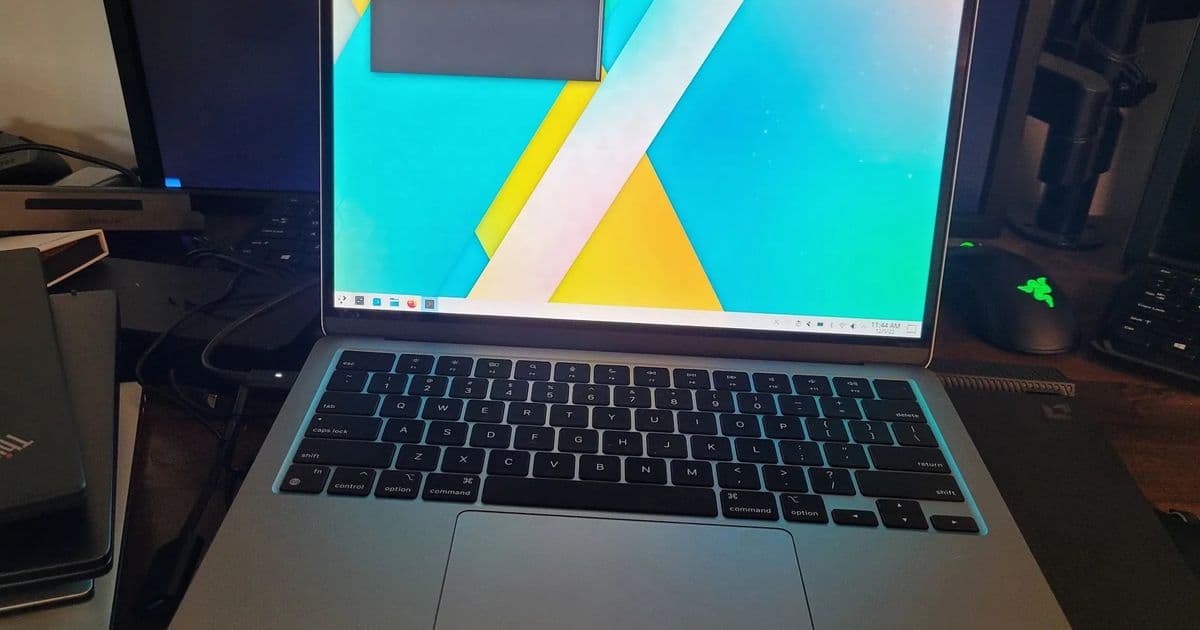
New EFI patches solve a long-standing annoyance for Apple Mac users running Linux by preserving backlight brightness across reboots.
Linux users running Apple Macs have long dealt with a frustrating quirk: every reboot would reset your carefully adjusted display brightness to whatever macOS last set it to. That's finally changing thanks to two small but significant patches to the Linux kernel's EFI code.
The Brightness Reset Problem
For years, Apple Mac users who dual-booted or exclusively ran Linux faced an annoying usability issue. When you adjusted your screen brightness under Linux, that setting would disappear the moment you rebooted. The system would revert to whatever brightness level macOS had last configured, regardless of your Linux preferences.
This wasn't just a minor inconvenience—it disrupted workflows, caused eye strain when brightness suddenly changed, and made Linux on Mac hardware feel less polished than it should be.
The Technical Solution
The fix comes from Atharva Tiwari, who submitted a patch series that adds brightness preservation to the Linux EFI (Extensible Firmware Interface) subsystem. The solution is elegantly simple: write the current brightness value to an EFI variable named "backlight-level" before shutdown, then read that value back during boot.
This approach leverages existing EFI infrastructure that's already present on all modern Macs. By storing the brightness setting in non-volatile EFI storage, the value persists across reboots just like firmware settings do.
How It Works
The patch modifies the EFI backlight driver to:
- Save the current brightness level to the EFI variable during system shutdown
- Restore the saved brightness value during early boot before the display is initialized
- Fall back to default behavior if no saved value exists
This ensures the brightness transition happens seamlessly, without any jarring changes that could disrupt your workflow or strain your eyes.
Why This Matters
While this might seem like a small feature, it represents an important step in making Linux on Apple hardware more user-friendly. Small polish details like this contribute significantly to the overall user experience.
For developers, content creators, and anyone who spends long hours in front of their Mac, consistent brightness settings aren't just convenient—they're essential for maintaining visual comfort and productivity.
Implementation Timeline
The patches have been posted to the Linux kernel mailing list and are currently under review. Given the straightforward nature of the changes and the clear user benefit, they're likely to be merged in the near future.
Once merged, the feature will be available in upcoming kernel versions, meaning Linux distributions that ship with newer kernels will automatically inherit this improvement.
Broader Implications
This change also highlights how Linux continues to improve its support for Apple hardware. While Apple Silicon Macs remain challenging due to Apple's proprietary architecture, Intel-based Macs continue to see incremental improvements that make Linux a more viable alternative or companion operating system.

The brightness preservation feature joins other recent improvements like better trackpad support, improved keyboard handling, and enhanced power management—all contributing to a more polished experience on Apple hardware.
For Current Users
Until the patches make their way into stable kernel releases, users can apply them manually if they're comfortable compiling their own kernels. The patch series is relatively small and self-contained, making it accessible for experienced Linux users who want this functionality immediately.
For most users, though, the best approach is simply to wait for the changes to be incorporated into their distribution's kernel updates. Given the clear benefit and straightforward implementation, most major distributions are likely to pick up the patches quickly once they're merged upstream.
This is exactly the kind of incremental improvement that makes Linux better over time—small changes that solve real user pain points and contribute to a more polished, professional experience on Apple hardware.
Comments
Please log in or register to join the discussion