
After more than three decades without a formal succession strategy, the Linux kernel community has created a contingency plan to ensure the project's continuity should Linus Torvalds step down or become unable to lead.
The Linux kernel community has finally established its first formal succession plan after 34 years under the leadership of Linus Torvalds, addressing what many in the open-source world have long considered a critical vulnerability in one of computing's most important projects.
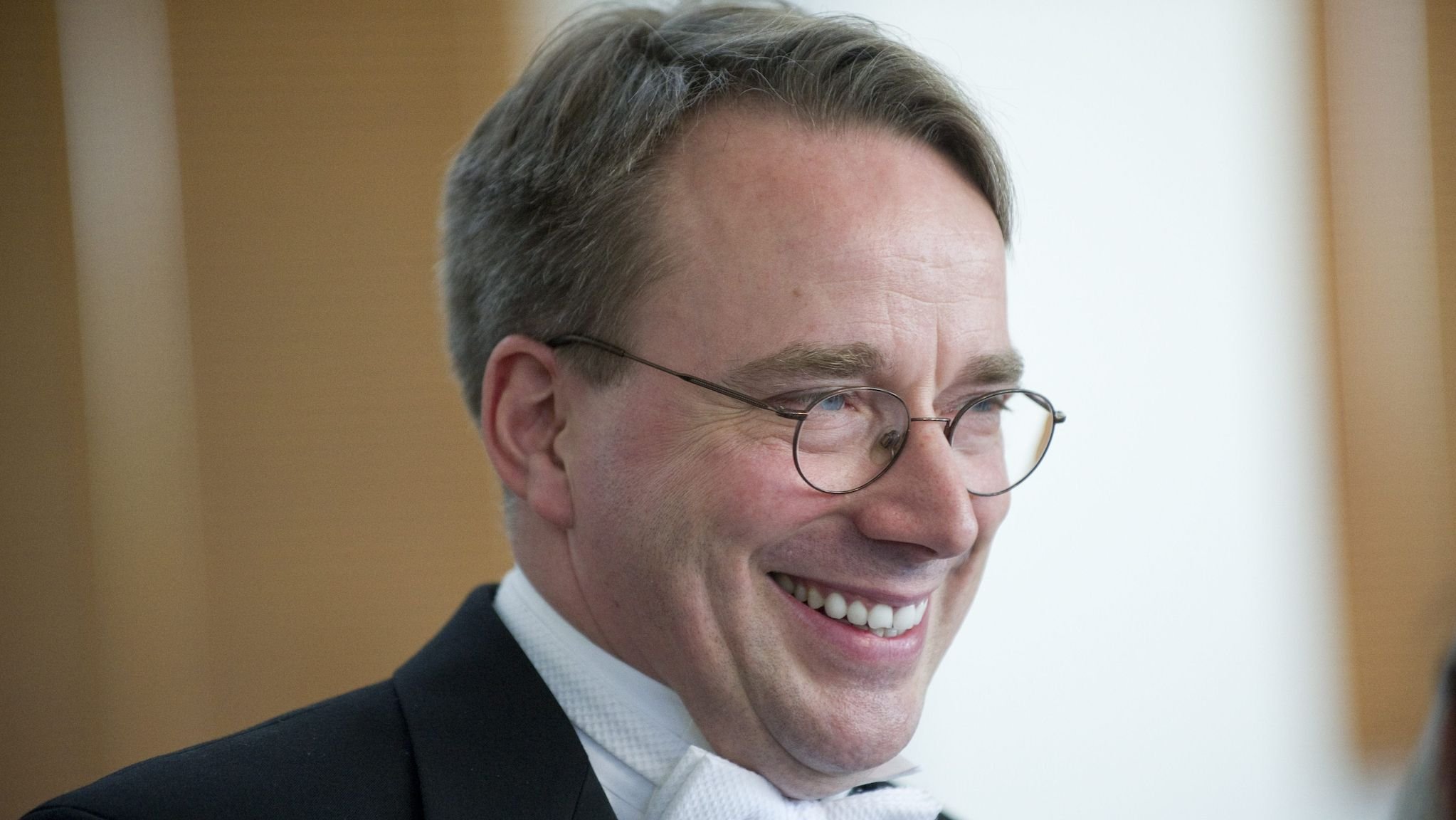
In a significant development for the open-source ecosystem, the Linux kernel community has created a formal contingency plan to address leadership succession, marking the first time in the project's 34-year history that such a strategy has been documented. The plan comes as Torvalds himself acknowledges that the kernel community is "getting grey and old," highlighting the need for structured transition planning in this foundational piece of software infrastructure.
The succession mechanism is deliberately straightforward, designed to activate only in cases where a graceful transition cannot occur naturally. When triggered, the process begins with the identification of an Organizer—either the most recent Maintainer Summit organizer or the current Linux Foundation Technical Advisory Board Chair. This individual has 72 hours to initiate discussions with invitees from the most recent Maintainer Summit.
If more than 15 months have passed since the last summit, the Technical Advisory Board assumes responsibility for determining the invitee list. These selected maintainers can then bring additional contributors into the discussion as they deem appropriate. The collective has two weeks to reach a decision and communicate it to the broader community through official mailing lists.
This development addresses what's known in software engineering as the "bus factor"—the number of key personnel whose simultaneous absence would jeopardize a project's continuity. Until now, the Linux kernel's bus factor stood at zero, with Torvalds serving as the singular point of failure for the world's most widely used operating system kernel.
Torvalds himself has expressed confidence in the community's ability to self-manage and develop new talent. "There are new people who come in, and three years later they are a main developer," he noted, suggesting that while the transition may not be instantaneous, the pipeline of capable maintainers exists. This observation aligns with the reality that few open-source projects maintain maintainers who have been active for over three decades, making the Linux kernel's longevity and stability particularly remarkable.
The timing of this succession plan reflects broader demographic shifts within the open-source community. As Torvalds observed, the kernel community is aging, and while technical capability remains strong, the need for institutional continuity becomes increasingly important. The plan provides a framework that balances the community's established culture of consensus-building with the practical need for clear decision-making processes during transitions.
For the billions of devices running Linux—from smartphones and servers to embedded systems and supercomputers—this succession planning represents an important step in ensuring the kernel's continued stability and development. The Linux kernel powers Android devices, runs the majority of cloud infrastructure, and serves as the foundation for countless enterprise and consumer systems worldwide.
The formal succession plan doesn't indicate any immediate changes in leadership. Torvalds continues to serve as the kernel's lead maintainer, and there's no indication he plans to step down. However, the establishment of this framework provides important institutional resilience for a project that has become fundamental to modern computing infrastructure.
This development also reflects a maturation within the open-source community, where projects that began as individual or small-group efforts are now critical infrastructure requiring formal governance structures. The Linux kernel's succession plan may serve as a model for other long-running open-source projects facing similar leadership transition challenges.
The plan's simplicity is notable—it doesn't attempt to prescribe specific leadership structures or decision-making processes beyond the initial transition period. Instead, it focuses on establishing a clear, time-bound process for convening the community and reaching consensus during what would likely be a period of uncertainty.
As the Linux kernel continues to evolve and expand its role in emerging technologies from artificial intelligence to edge computing, having a clear succession framework ensures that this critical piece of software infrastructure can continue to develop and adapt regardless of individual circumstances. The plan represents not just a practical necessity but a recognition of the kernel's importance to the global technology ecosystem.
Comments
Please log in or register to join the discussion