GNOME OS now uses KMSCON by default, replacing Linux kernel VTs with a more configurable user-space solution ahead of GNOME 50's release.
GNOME OS Switches To KMSCON Enabled By Default
 )
)
GNOME OS, the Linux-based OSTree-using distribution that serves as the leading-edge, reference platform for GNOME desktop development, has made a significant change to its console architecture. The distribution is now using KMSCON by default, replacing the traditional Linux kernel virtual terminal (VT) console code.
This move mirrors Fedora's earlier plans to adopt KMSCON, which were ultimately delayed to Fedora 45. KMSCON represents a shift from kernel-space to user-space console management while still leveraging the kernel's KMS/DRM interfaces.
What Is KMSCON and Why It Matters
KMSCON is a user-space console that provides several advantages over the traditional in-kernel VT console:
- Enhanced configurability: Users can customize console behavior without kernel modifications
- Modern interface: Built on top of KMS/DRM, it supports advanced graphics features
- Better integration: As a user-space application, it can be more easily updated and maintained
- Reduced kernel complexity: Moving console management out of the kernel reduces its attack surface
The change was confirmed as part of This Week in GNOME, highlighting GNOME OS's commitment to staying at the forefront of desktop Linux innovation.
Context: GNOME 50 and Other Developments
This KMSCON transition comes ahead of the highly anticipated GNOME 50 release, which is scheduled for next week. The GNOME team has been busy with several other improvements:
- GNOME Files (Nautilus) file management improvements
- Enhanced signature support coming to the Papers document viewer
- Libadwaita 1.9 released this week, bringing new theming and component capabilities
- RussCon 0.9.15 now available for enhanced remote desktop functionality
New Music Player: Vinyl
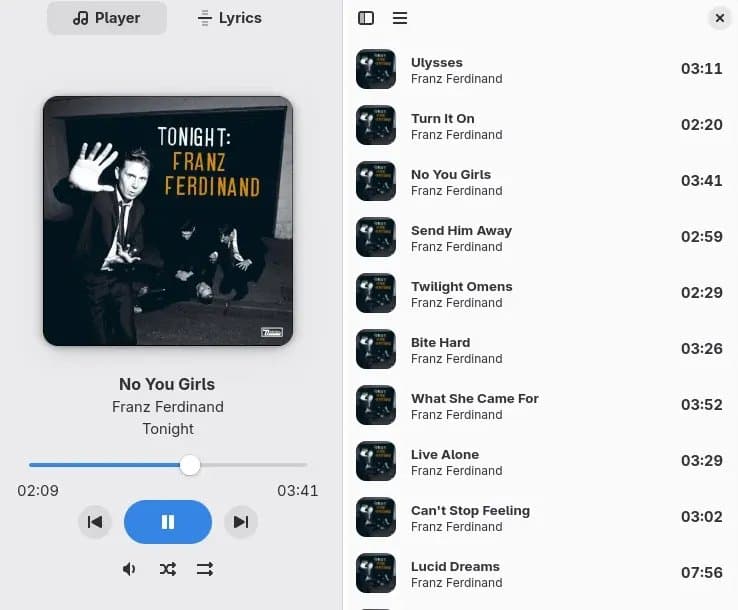
Also making its debut this week is Vinyl, a new music player for the GNOME desktop. Written in Rust and using the Relm4 GUI library, Vinyl represents the growing trend of Rust-based applications in the Linux desktop ecosystem. The application is available on Flathub, making it easily installable for Flatpak-enabled distributions.
Technical Implications
The switch to KMSCON has several technical implications for GNOME OS users:
- Boot experience: The early boot console will now be handled by user-space code rather than kernel VTs
- Recovery scenarios: System recovery and emergency console access may behave differently
- Display server interaction: KMSCON integrates more closely with modern display server architectures
- Resource usage: User-space console management may have slightly different memory and CPU characteristics
Community Reaction
The announcement has generated discussion within the Linux community, with six comments on the original Phoronix article. While some users welcome the modernization and configurability improvements, others note that such transitions require careful testing to ensure compatibility with existing workflows and system administration practices.
Looking Forward
As GNOME OS continues to serve as the reference platform for GNOME development, changes like the KMSCON adoption often foreshadow broader adoption across other distributions. The success of this transition could influence whether other major distributions follow suit in future releases.
For users of GNOME OS, the change should be largely transparent, with the console experience remaining familiar while benefiting from the underlying architectural improvements. The move represents another step in the ongoing evolution of the Linux desktop, balancing innovation with the stability that users expect.
Comments
Please log in or register to join the discussion