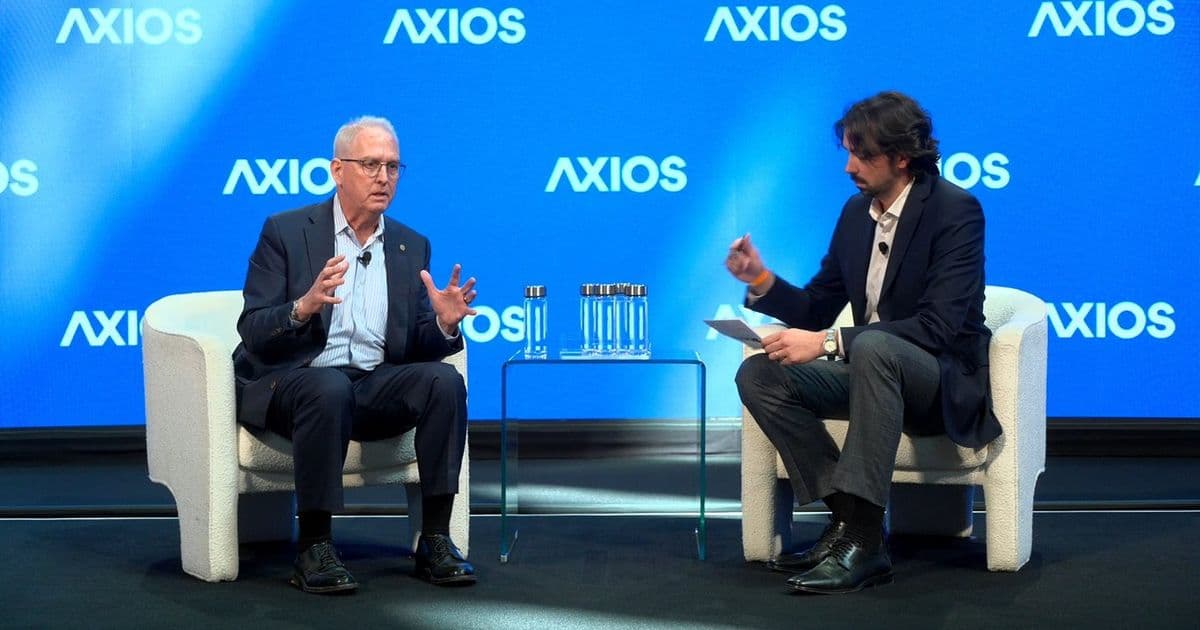
Lockheed Martin's Chief Digital and AI Officer Craig Martell argues that modern warfare demands seamless collaboration between humans and machines, not replacement of human decision-making.
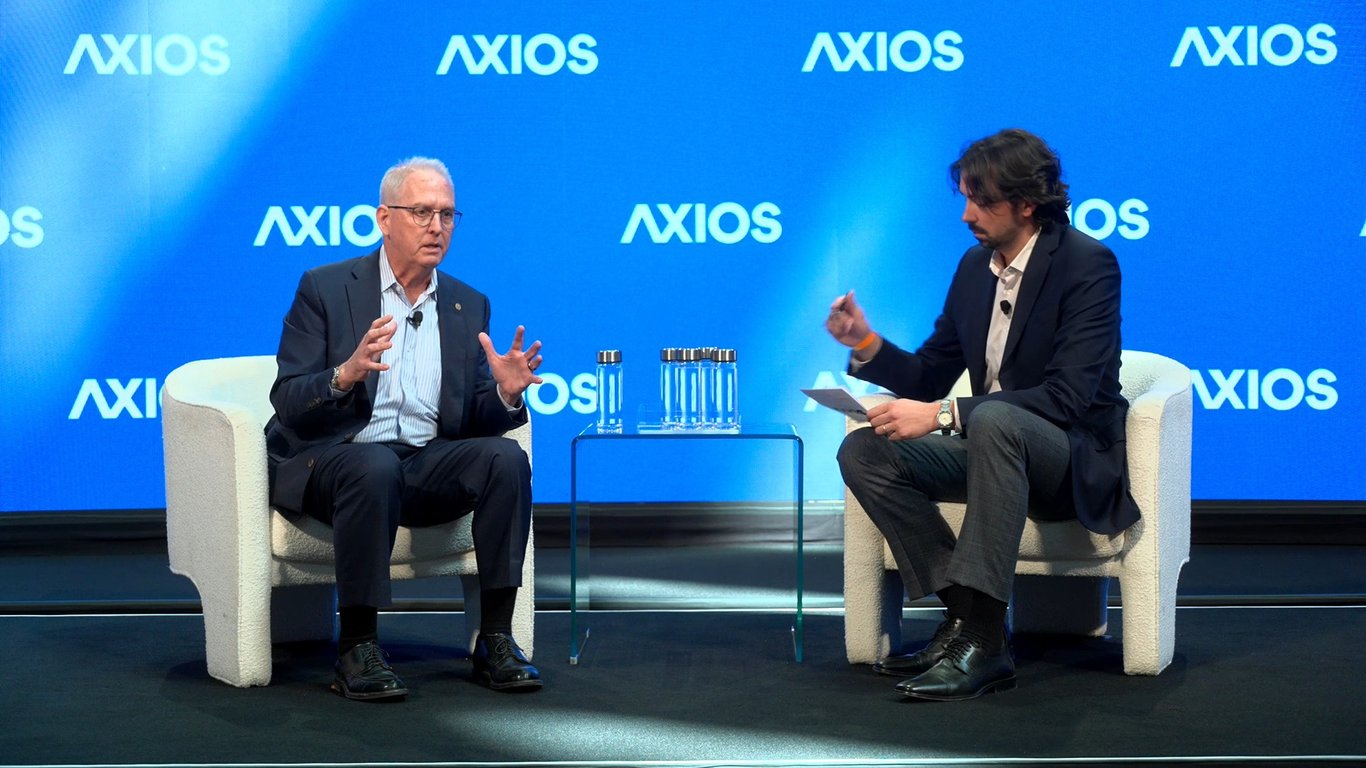
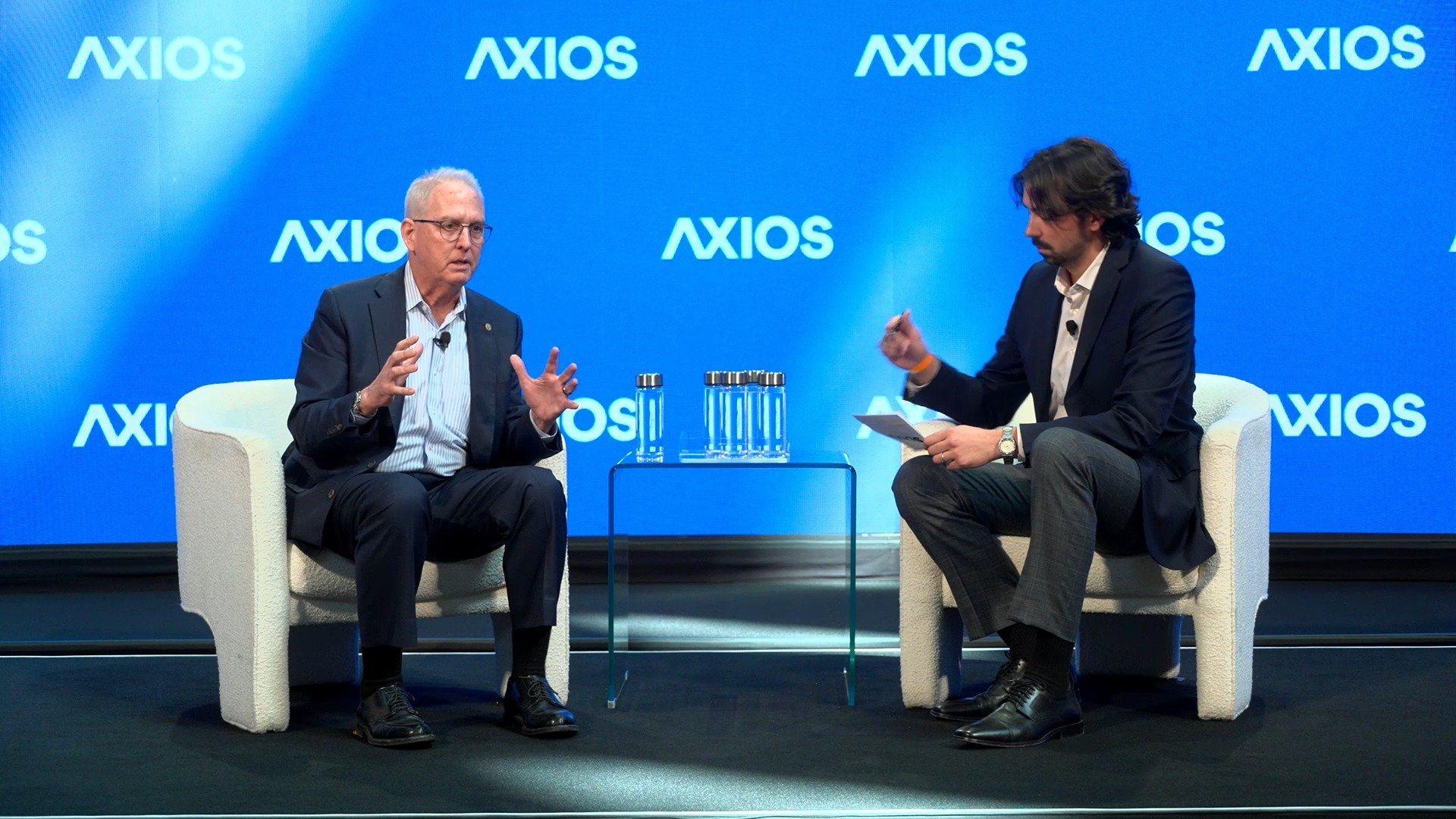
As artificial intelligence transforms military operations, Lockheed Martin's Chief Digital and AI Officer Craig Martell is making a bold case for a future where humans and machines work as integrated teams rather than in opposition. Speaking at a recent industry event, Martell emphasized that the next generation of warfare will depend on seamless human-machine collaboration rather than AI replacing human decision-makers.
Martell, who previously served as the Chief Digital and Artificial Intelligence Officer for the Department of Defense, brings unique perspective to this debate. His experience bridging commercial technology and military applications has shaped his view that the most effective military operations will emerge from teams where humans and AI systems complement each other's strengths.
The Human-Machine Partnership Paradigm
The traditional military hierarchy is evolving as AI systems become capable of processing vast amounts of battlefield data in real-time. Martell argues that rather than viewing AI as a replacement for human judgment, military organizations should design systems that enhance human decision-making capabilities. This approach recognizes that while machines excel at rapid data processing and pattern recognition, humans provide contextual understanding, ethical judgment, and strategic thinking that AI cannot replicate.
This philosophy represents a significant shift from earlier visions of autonomous warfare. Instead of creating systems that operate independently, Martell advocates for interfaces and workflows that allow human operators to maintain situational awareness while leveraging AI's computational power. The goal is to create a symbiotic relationship where each party contributes their unique strengths.
Practical Applications in Modern Defense
Lockheed Martin is already implementing this human-machine teaming approach in several defense projects. Advanced fighter jets now incorporate AI co-pilots that can manage routine flight operations while alerting human pilots to potential threats. Similarly, intelligence analysis platforms use machine learning to filter and prioritize data, allowing human analysts to focus on high-value assessments rather than data sorting.
These implementations demonstrate how human-machine teams can operate effectively in high-stakes environments. The AI systems handle the computational heavy lifting—processing sensor data, identifying patterns, and flagging anomalies—while humans make the critical decisions about engagement, escalation, and strategic responses.
The Technology Infrastructure Challenge
Creating effective human-machine teams requires sophisticated technology infrastructure. Martell emphasizes that this goes beyond simply adding AI capabilities to existing systems. Instead, it requires rethinking how military personnel interact with technology, designing intuitive interfaces that allow humans to quickly understand and trust AI recommendations.
This infrastructure challenge includes developing secure communication channels, creating redundancy systems to prevent single points of failure, and ensuring that AI systems can operate effectively in contested environments where connectivity might be limited or compromised. The goal is to create resilient systems that maintain functionality even when network conditions degrade.
Trust and Transparency in AI Systems
A critical component of successful human-machine teaming is building trust between operators and AI systems. Martell stresses that military personnel need to understand not just what an AI system recommends, but why it makes those recommendations. This transparency is essential for building confidence in AI-assisted decision-making, particularly in high-stakes military scenarios.
To address this, Lockheed Martin is developing explainable AI systems that can provide clear reasoning for their recommendations. These systems use visualization tools and natural language explanations to help human operators understand the factors influencing AI decisions. This approach helps bridge the gap between complex machine learning algorithms and human understanding.
Training for the Future Battlefield
The shift toward human-machine teaming also requires new approaches to military training. Martell emphasizes that personnel need to develop skills in working alongside AI systems, understanding their capabilities and limitations, and knowing when to override automated recommendations. This represents a fundamental change in how military forces prepare for operations.
Training programs now include scenarios where human operators must work with AI teammates, learning to interpret AI outputs and make decisions based on combined human-machine assessments. This preparation ensures that when deployed, teams can operate effectively without hesitation or confusion about roles and responsibilities.
Strategic Implications for Defense Organizations
Martell's vision has significant implications for how defense organizations structure their operations. Rather than maintaining strict hierarchies, future military units may operate more like integrated teams where AI systems serve as force multipliers for human decision-makers. This could lead to flatter organizational structures with more distributed decision-making authority.
This approach also influences procurement strategies, with defense organizations prioritizing systems that enhance human capabilities rather than replacing human roles. The focus shifts from developing autonomous weapons to creating collaborative systems that maintain meaningful human control over critical decisions.
The Competitive Advantage
Countries and organizations that successfully implement human-machine teaming may gain significant strategic advantages. Martell argues that the ability to process and act on information more quickly and accurately than adversaries could prove decisive in future conflicts. However, this advantage depends on creating truly integrated teams rather than simply adding AI capabilities to existing systems.
Lockheed Martin's investment in this approach reflects a broader industry recognition that the future of defense technology lies not in replacing humans but in augmenting human capabilities. As Martell notes, the most effective military forces will be those that can seamlessly integrate human judgment with machine processing power.
Looking Ahead
The transition to human-machine teaming represents a fundamental shift in military operations. As AI systems become more sophisticated and ubiquitous, the challenge will be creating interfaces and workflows that allow humans and machines to work together effectively. Martell's vision suggests that success in future conflicts will depend not on which side has the most advanced technology, but on which can best integrate that technology with human decision-making.
This approach offers a path forward that addresses both the opportunities and concerns surrounding AI in military applications. By focusing on collaboration rather than replacement, it maintains meaningful human control while leveraging the computational advantages that AI systems provide. As defense organizations continue to modernize, the human-machine teaming model advocated by Martell may become the standard for military operations in the AI era.
Comments
Please log in or register to join the discussion