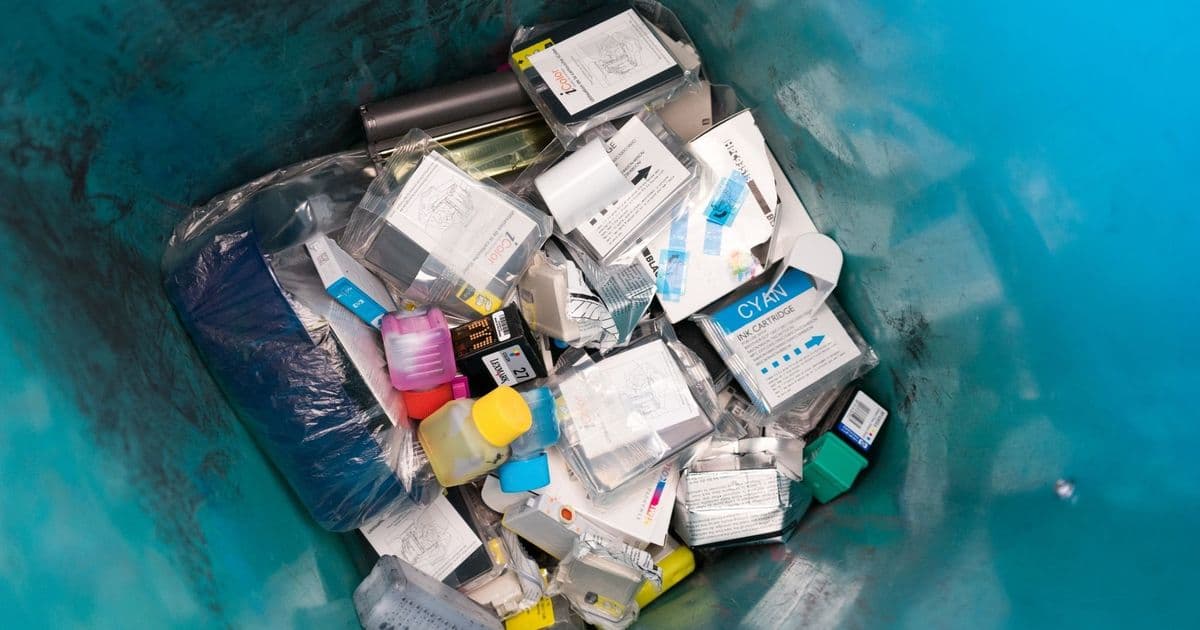
LA City Council votes to ban single-use printer cartridges that can't be refilled or recycled, targeting environmental waste from ink and toner modules.
The city of Los Angeles is taking aim at one of the most persistent sources of electronic waste: single-use printer cartridges. In a move that could reshape the printing industry, the LA City Council has voted to create an ordinance that would ban printer cartridges that cannot be refilled or returned through vendor take-back programs.
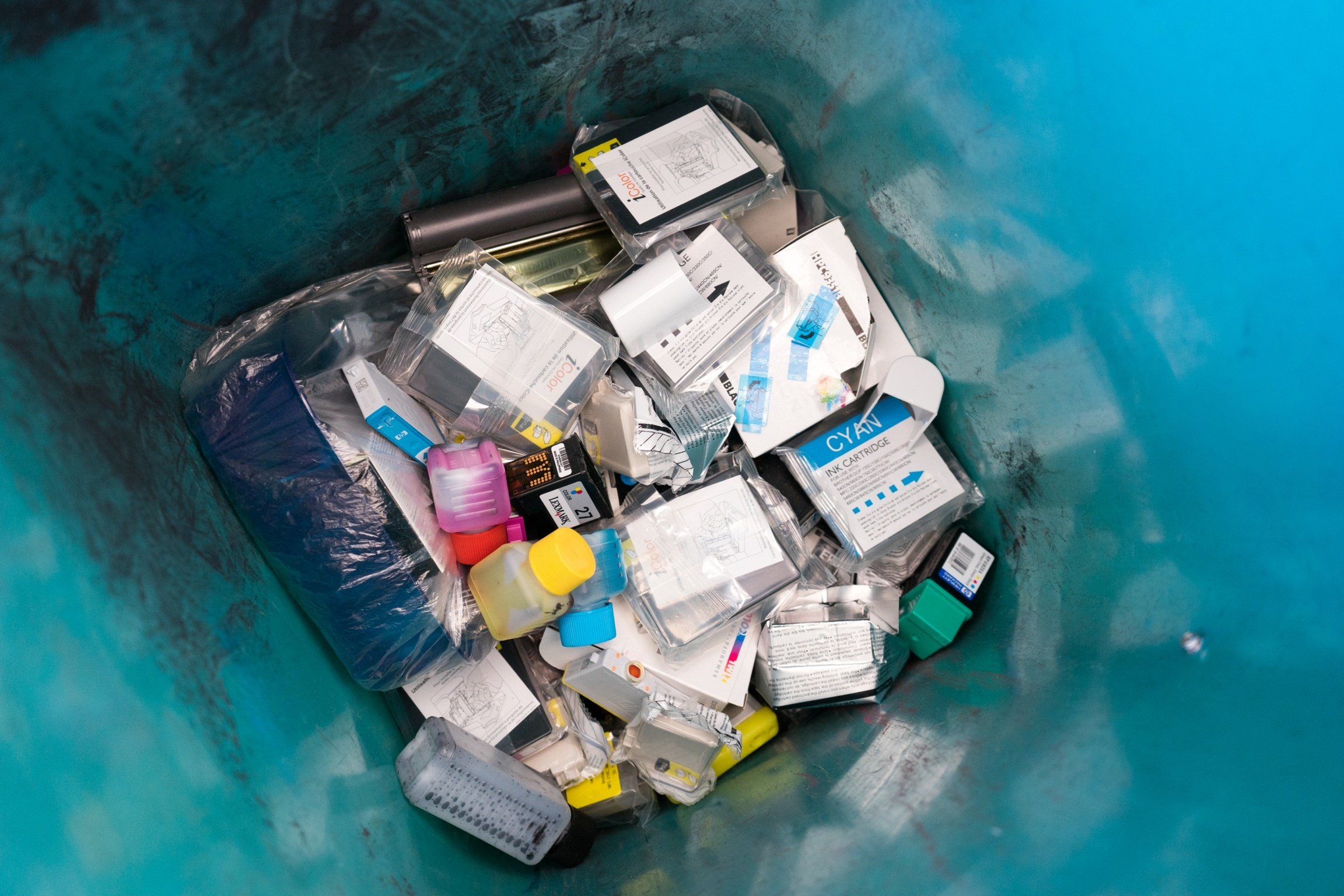
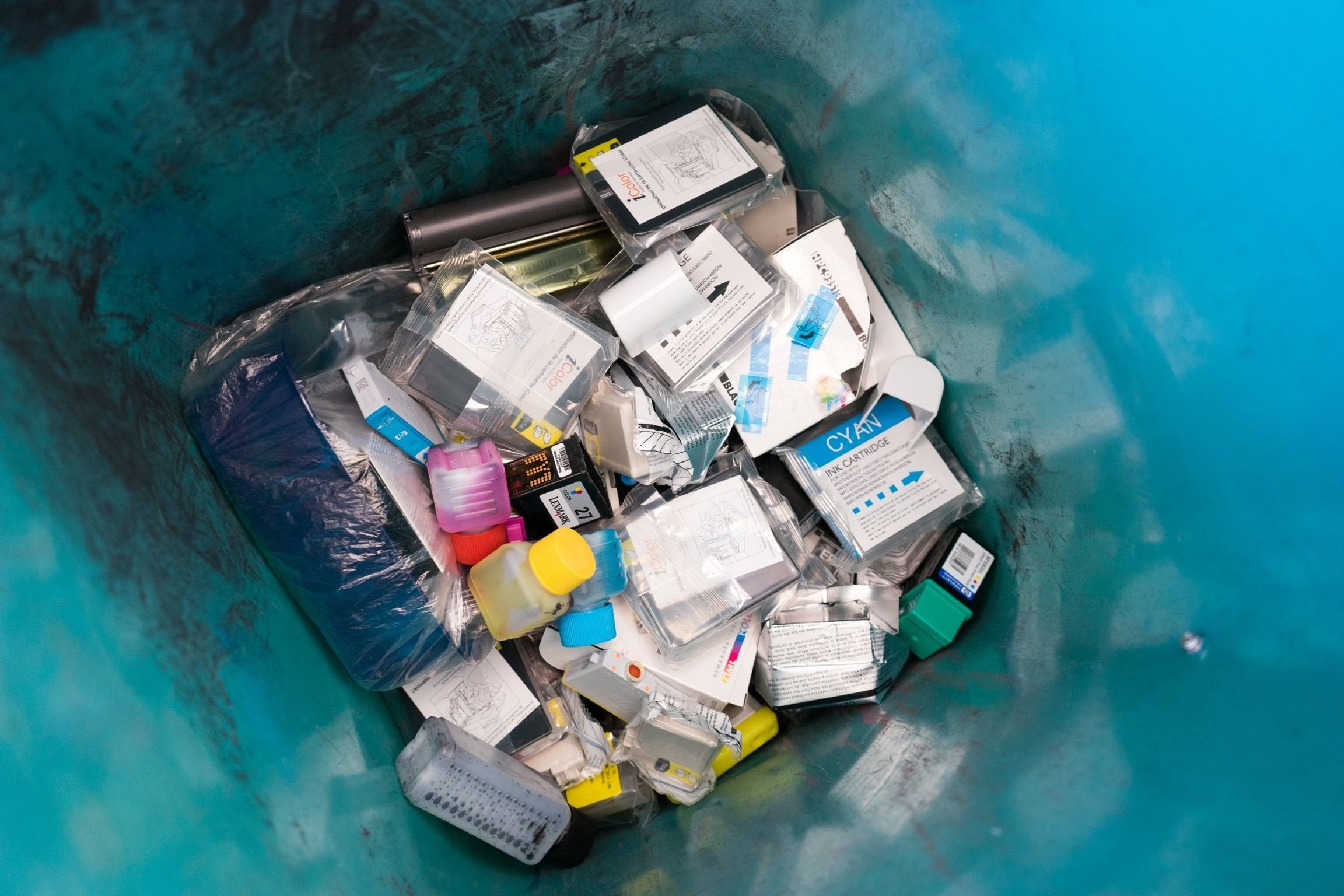
This initiative targets the fundamental design flaw in most modern printing systems—cartridges built to be discarded rather than reused. Whether laser or inkjet, these modules typically combine plastic housings, metal components, and chemical residues in ways that make them nearly impossible to recycle through conventional municipal programs. Even when treated as hazardous waste, these cartridges can take hundreds of years to break down in landfills.
The environmental motivation is clear. Los Angeles has set ambitious zero-waste goals, and printer cartridges represent a significant obstacle. The city estimates that millions of these modules end up in local waste streams annually, creating both environmental hazards and logistical challenges for waste management systems.
The DRM Factor
Manufacturers have compounded the problem through digital rights management restrictions that prevent users from refilling cartridges themselves. These software locks, designed to protect proprietary ink formulations and maintain profit margins, effectively force consumers into a cycle of continuous purchases. When a cartridge runs dry, the only option is often to buy a completely new module.
This business model has drawn criticism from consumer advocates who argue that it creates artificial scarcity and drives up printing costs. Most consumers focus on the upfront price of printers, unaware that the real expense comes from repeatedly purchasing expensive replacement cartridges.
Beyond Environmental Concerns
The ordinance also addresses economic issues related to counterfeit cartridges. The market is flooded with duplicate and counterfeit modules that undercut legitimate manufacturers. These knockoffs aren't designed with recycling or refilling in mind—they're simply cheaper alternatives that bypass intellectual property protections.
By targeting cartridges that violate copyright laws or infringe on intellectual property, the city aims to protect both the environment and legitimate manufacturing. The dual approach addresses waste reduction while also supporting local businesses that comply with environmental regulations.
What the Ban Actually Covers
It's important to note that this ordinance isn't attempting to solve the broader printer ink affordability crisis. Instead, it focuses specifically on cartridges that lack recycling or remanufacturing programs. If a vendor offers to collect empty cartridges but simply discards them, that practice would fall under the ban.
The law would require printer cartridge manufacturers to either:
- Design cartridges that can be easily refilled by consumers
- Implement comprehensive take-back programs with actual recycling
- Ensure cartridges are made from materials that can be processed through existing recycling infrastructure
Industry Impact and Implementation
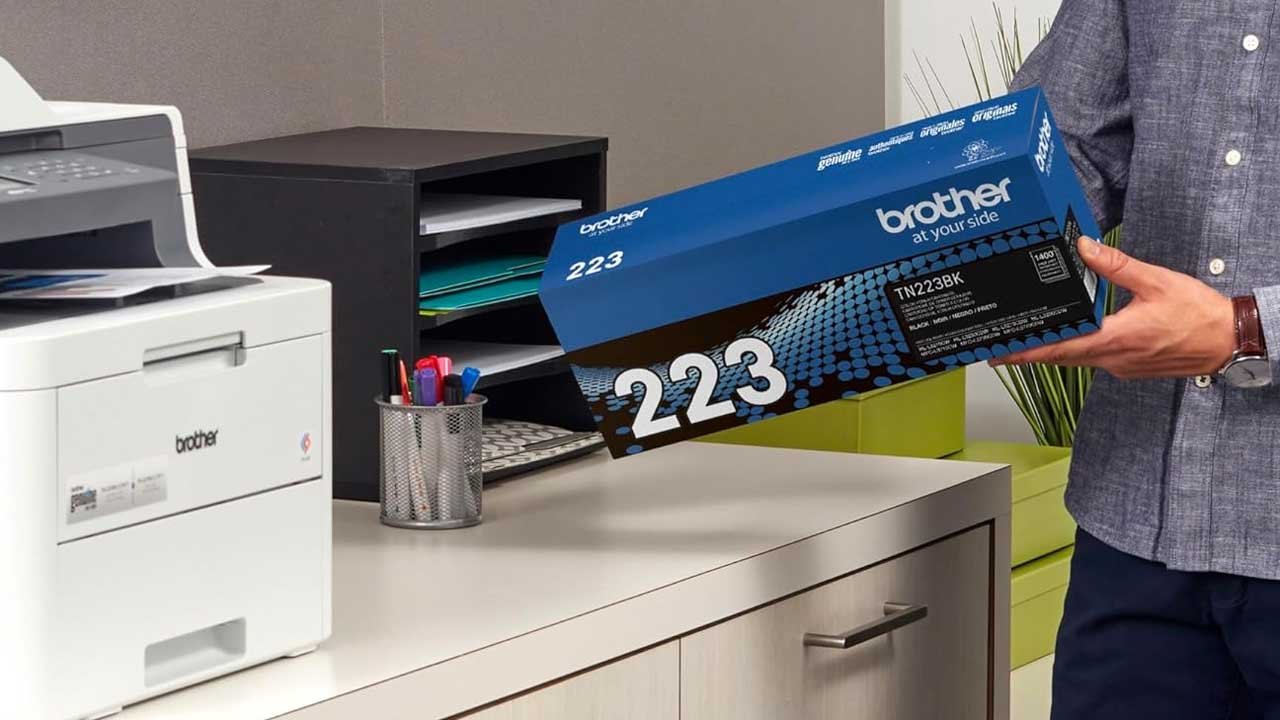
Major printer manufacturers like Brother, HP, Canon, and Epson will need to adapt their product lines and business models if the ordinance passes. Brother has positioned itself as more environmentally conscious than some competitors, but even they will need to demonstrate compliance with the new requirements.
The ordinance still requires full approval before becoming law, and implementation details remain to be determined. Questions about enforcement mechanisms, compliance verification, and transition periods will need to be addressed.
Broader Implications
If successful, Los Angeles's approach could serve as a model for other cities grappling with electronic waste. The printer cartridge problem exemplifies larger issues in consumer electronics: products designed for obsolescence, artificial restrictions on repair and reuse, and environmental costs externalized to municipalities.
The initiative represents a growing recognition that environmental protection requires addressing product design at the source rather than managing waste after the fact. By forcing manufacturers to consider the entire lifecycle of their products, cities can drive innovation toward more sustainable solutions.
As the ordinance moves through the approval process, stakeholders across the printing industry will be watching closely. The outcome could signal a significant shift in how consumer electronics are designed, sold, and ultimately recycled in urban environments.
Comments
Please log in or register to join the discussion