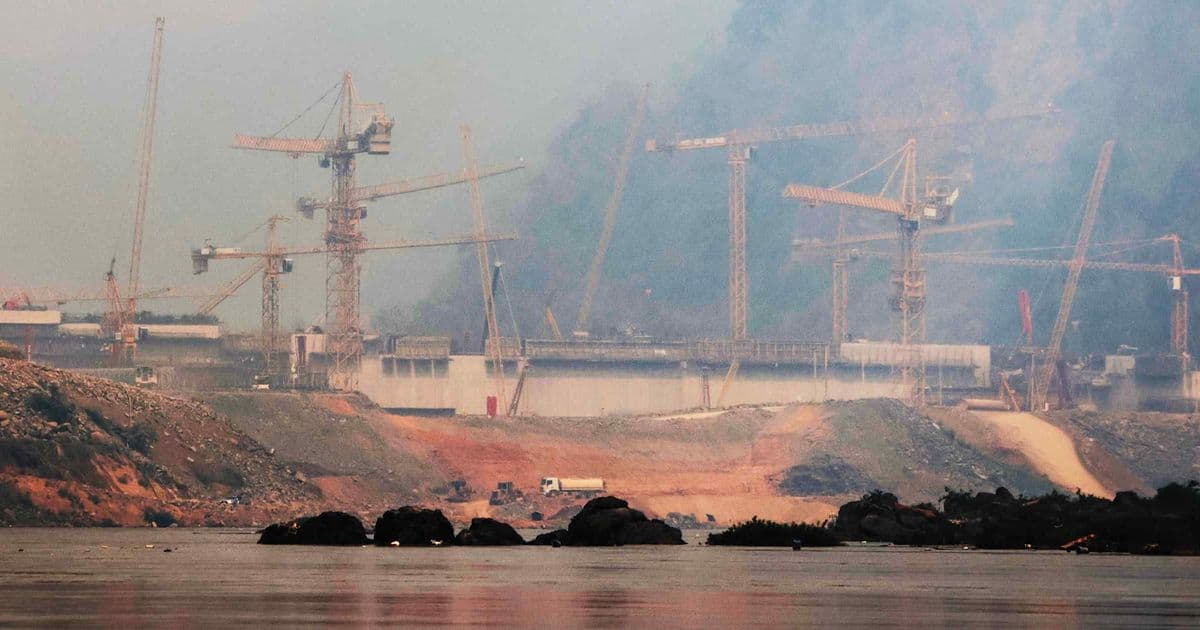
A 1,460 MW hydroelectric dam on the Mekong, slated to cost $3.5 billion, is raising alarms over seismic risk, river ecology and the UNESCO designation of Luang Prabang, potentially undermining Laos’s tourism recovery and regional investment climate.
Business news
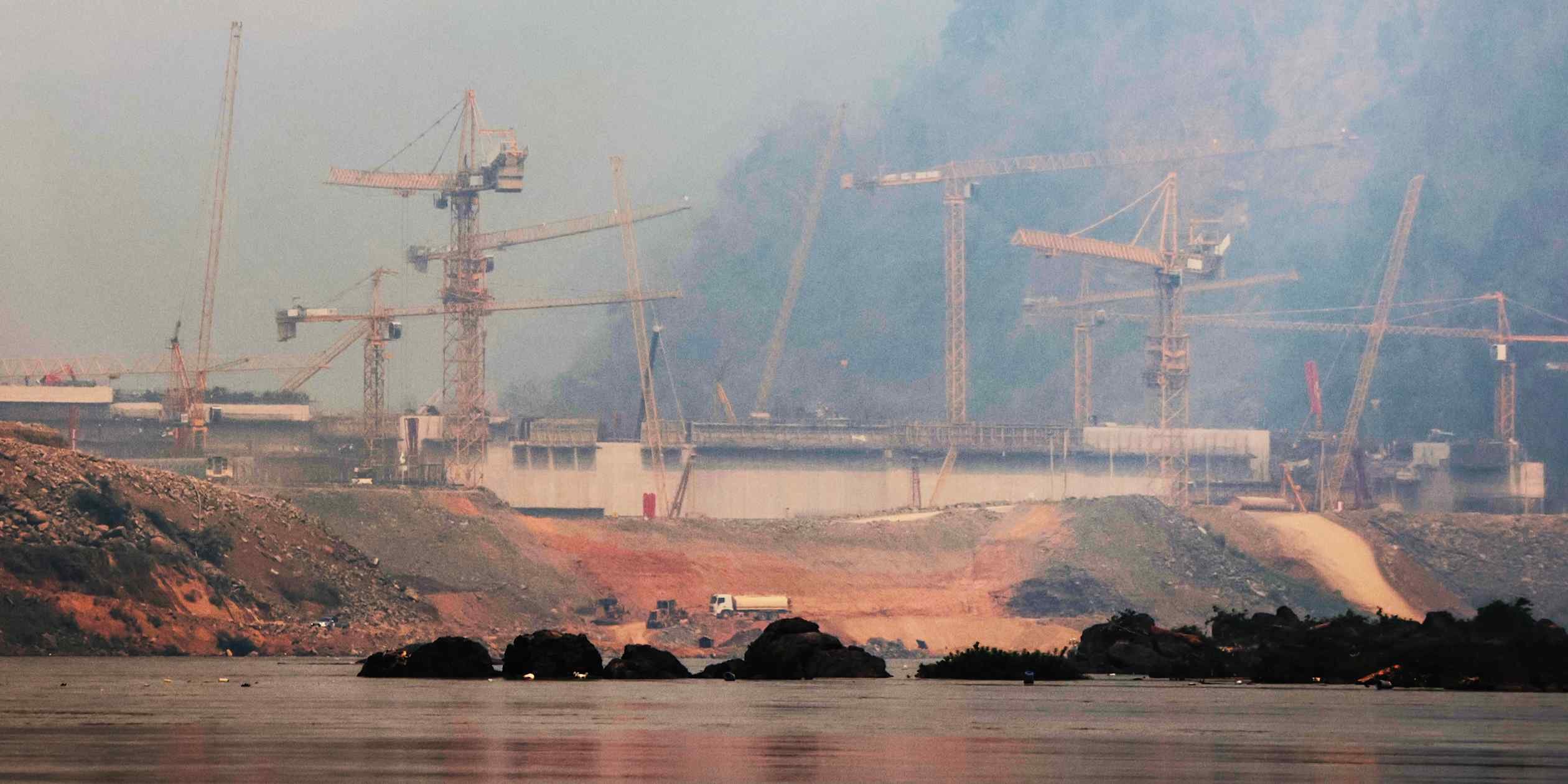
Laos’s state‑run Luang Prabang Hydroelectric Power Plant, a 1,460‑megawatt dam slated to cost $3.5 billion, is under intense scrutiny. The project, located 20 km upriver from the UNESCO‑listed city of Luang Prabang, sits on a known fault line and threatens to alter the Mekong’s flow, displace thousands of residents and jeopardize the city’s World Heritage status. Construction crews have already built a bridge across the river, and earth‑moving equipment dominates the hillsides surrounding the concrete wall.
Market context
Tourism revenue at stake
Luang Prabang accounts for roughly 30 % of Laos’s international tourism receipts, generating an estimated $850 million annually (World Tourism Organization, 2024). The city’s UNESCO designation draws high‑spending visitors, especially from China, Japan and South Korea. A downgrade or delisting could cut tourist arrivals by 15‑20 %, translating to a potential loss of $130‑170 million in yearly revenue.
Energy financing and regional debt exposure
The dam is being financed by a consortium of Chinese state banks and a Thai infrastructure fund, with an average loan rate of 5.2 %. Assuming a 30‑year repayment schedule, annual debt service will be around $240 million, a significant burden for a country whose external debt already exceeds 70 % of GDP.
Mekong basin implications
The Mekong supports fisheries worth $2 billion across the lower basin, and any flow reduction can affect downstream nations—Thailand, Cambodia and Vietnam. A 10 % drop in seasonal flow, projected by the dam’s feasibility study, could cut fish catches by $200 million regionally, prompting diplomatic friction and possible trade restrictions.
What it means
Tourism‑driven recovery could stall – Laos’s post‑COVID rebound relies heavily on Luang Prabang’s heritage appeal. A UNESCO warning or delisting would likely depress visitor numbers, forcing the government to seek alternative growth drivers, perhaps accelerating the push for a broader “green‑tourism” strategy.
Investor confidence may erode – The dam’s environmental and social controversies echo earlier push‑back against large‑scale projects in Southeast Asia (e.g., the Myitsone dam in Myanmar). International investors, particularly ESG‑focused funds, could shy away from Laotian infrastructure deals, tightening the capital pipeline for future projects.
Geopolitical ripple effects – China’s involvement in the financing raises concerns about debt‑trap diplomacy. If the dam triggers economic losses, Laos may face heightened pressure to renegotiate terms, potentially giving Beijing leverage in the region’s broader strategic competition.
Policy recalibration needed – To preserve the UNESCO status, the Lao government may have to adopt mitigation measures: redesigning spillways, implementing fish‑pass ladders, and establishing a comprehensive resettlement program costing an estimated $150 million. These steps would increase the project’s total outlay to roughly $3.65 billion, further stretching fiscal resources.
Regional cooperation opportunities – The Mekong River Commission could become a platform for multilateral oversight, encouraging joint monitoring of water quality and flow. Successful collaboration might set a precedent for balancing development with heritage preservation across the basin.
In short, the Luang Prabang dam illustrates the tension between rapid energy expansion and the economic value of cultural tourism. The outcome will shape not only Laos’s fiscal outlook but also investor sentiment toward large infrastructure projects in a region where heritage, ecology and geopolitics intersect.
Comments
Please log in or register to join the discussion