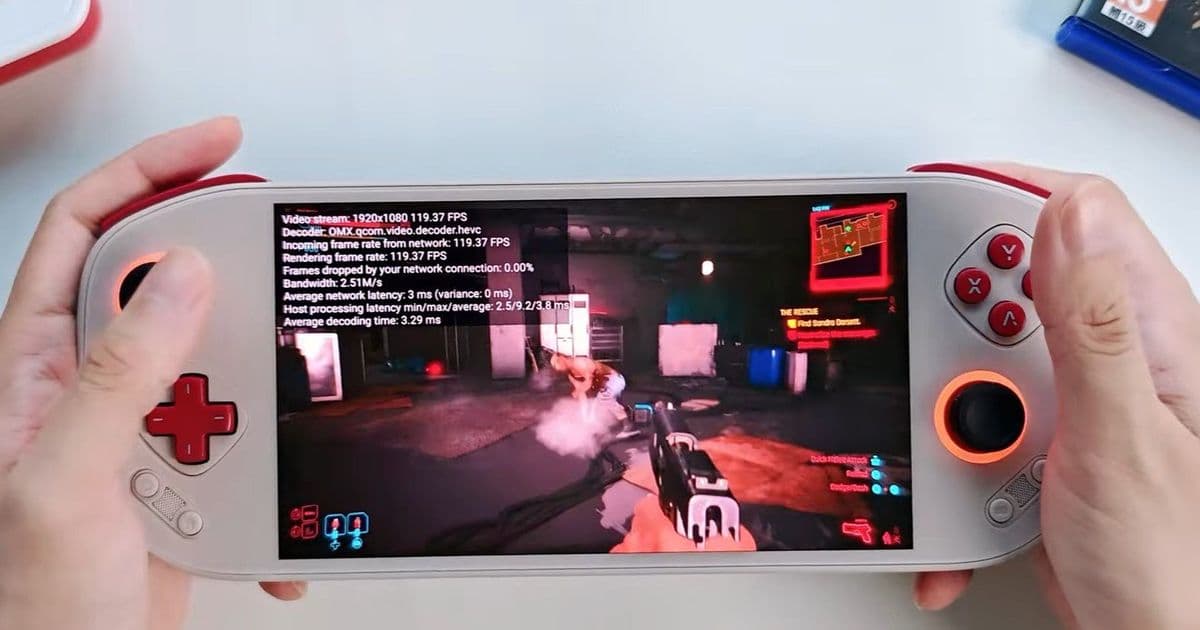
A new video demonstrates the Pocket Max streaming demanding PC games at high frame rates, highlighting its 7-inch 144Hz AMOLED display as a key differentiator for the handheld market.
Mangmi has released a promotional video showcasing the upcoming Pocket Max handheld's PC game streaming capabilities, demonstrating that while the device's hardware is capable, the real-world experience hinges heavily on network infrastructure.
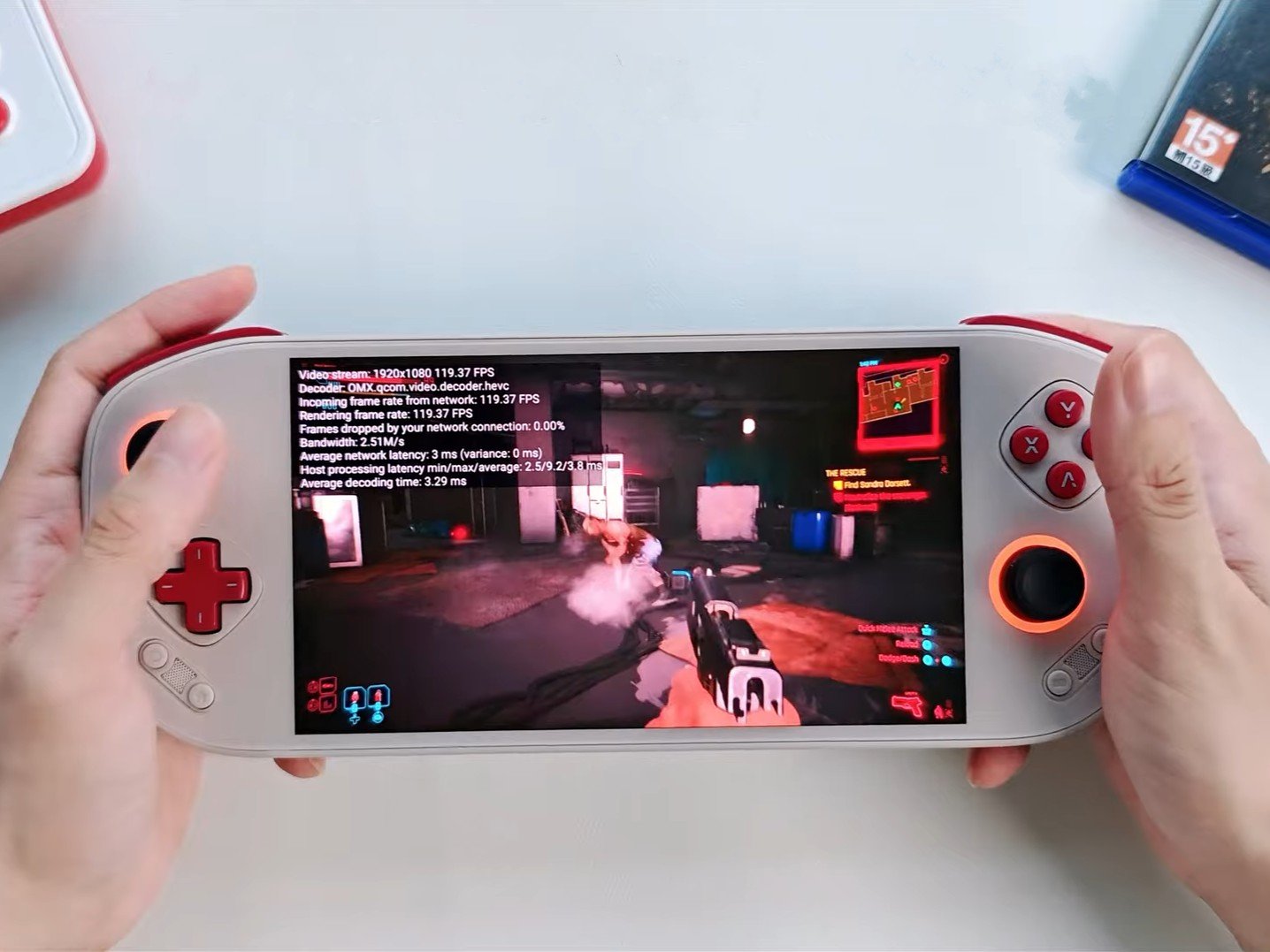
The video, posted to Mangmi's YouTube channel, shows the handheld streaming several demanding titles. Cyberpunk 2077 runs at 1920×1080 resolution with performance exceeding 100 FPS, while Black Myth: Wukong pushes past 140 FPS at the same resolution. Hades II also demonstrates similar high frame rates. These results are captured via an in-game overlay performance monitor, providing concrete metrics rather than marketing claims.
The Display Advantage
These streaming numbers aren't surprising given the Pocket Max's specifications. The device features a 7-inch 1080p AMOLED display with a 144Hz refresh rate—a combination that's relatively rare in the handheld market. While many competitors offer 60Hz or 90Hz panels, the 144Hz refresh rate means the device can actually display the high frame rates being streamed, rather than being limited by the display's refresh ceiling.
This matters because PC game streaming is fundamentally a network-dependent activity. Services like Steam Link, Moonlight, or Parsec can deliver high-quality streams, but the end-user experience depends on:
- Local network quality (Wi-Fi 6/6E or wired connection)
- Host PC encoding capability (NVENC, Quick Sync, or AMD VCE)
- Streaming software configuration (bitrate, codec selection)
- Client device decoding performance (the Pocket Max's ability to handle the stream)
The Pocket Max's display quality addresses the fourth point directly. A high-refresh-rate, low-latency display means that when the stream delivers 100+ FPS, the user actually sees those frames smoothly, rather than experiencing stutter or screen tearing.
Hardware Context
The Pocket Max sits in a growing category of handheld devices designed for cloud gaming and streaming. Competitors include the Logitech G Cloud, Razer Edge, and various Android-based handhelds. However, many of these devices prioritize battery life or cost over display quality, often using 60Hz LCD panels.
Mangmi's approach suggests they're targeting enthusiasts who value visual fidelity and smoothness over pure portability or battery life. The 7-inch size is larger than typical smartphone-based handhelds, providing more screen real estate for gaming while remaining portable.
Color Options and Market Positioning
The video also reveals three color variants: Retro GB (likely a Game Boy-inspired green), Black, and White. Notably, all colors will be available across a single SKU, meaning no configuration will be locked to a specific color. This simplifies inventory and gives consumers more choice without forcing hardware compromises.
The Network Reality
Despite the impressive streaming demonstrations, it's crucial to understand the limitations. The video shows local streaming performance, likely in a controlled environment with optimal network conditions. Real-world scenarios often involve:
- Variable Wi-Fi signal strength in different rooms
- Network congestion from other devices
- Internet latency if streaming from a cloud gaming service rather than a local PC
- Encoding/decoding overhead that can add 10-30ms of latency
For users with robust home networks (Wi-Fi 6E routers, wired host PCs), the Pocket Max could deliver a near-native experience. For those with older infrastructure, the high-refresh display might not fully compensate for network-induced stutter or input lag.
Missing Information
Mangmi has not yet announced:
- Launch date for the Pocket Max
- Pricing details for the handheld
- Battery life estimates for streaming workloads
- Thermal performance under sustained streaming
- Codec support (H.264 vs H.265/HEVC)
- Input latency measurements for touch controls or external controller support
These details will be critical for potential buyers. A 144Hz display is impressive, but if the device can only sustain streaming for 2-3 hours before thermal throttling or battery drain, its practical utility diminishes.
What to Watch For
When the Pocket Max launches, reviewers should test:
- Real-world streaming latency using tools like Moonlight's built-in statistics
- Network requirements for stable 1080p/144Hz streaming
- Battery life during typical streaming sessions
- Thermal behavior under sustained load
- Compatibility with major streaming platforms (Steam Link, Parsec, Xbox Cloud Gaming)
The video demonstrates potential, but the device's success will depend on how well it handles the practical challenges of mobile game streaming. For now, Mangmi has shown that the Pocket Max has the display hardware to deliver a premium streaming experience—if your network can support it.
Comments
Please log in or register to join the discussion