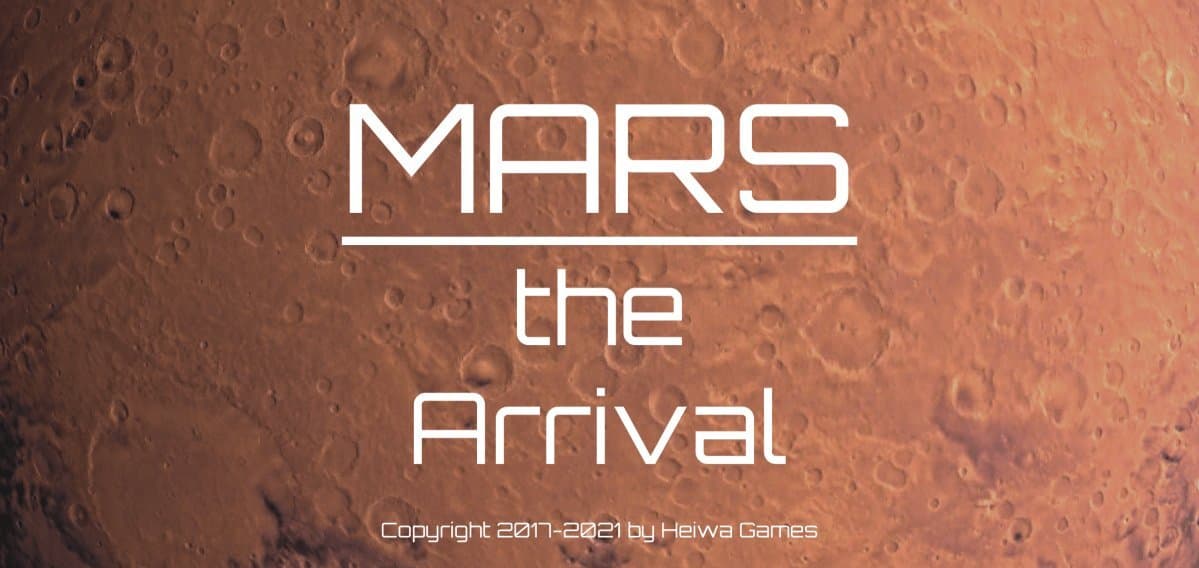
In a landscape dominated by instant gratification, Mars: The Arrival forces players to embrace real-time delays where building a colony takes real-world days. This indie game from Heiwa Games replaces flashy graphics with deep resource management and strategic patience, offering a refreshing antidote to pay-to-win mechanics. Its deliberate pace and developer transparency highlight a growing niche for thoughtful simulation in mobile tech.
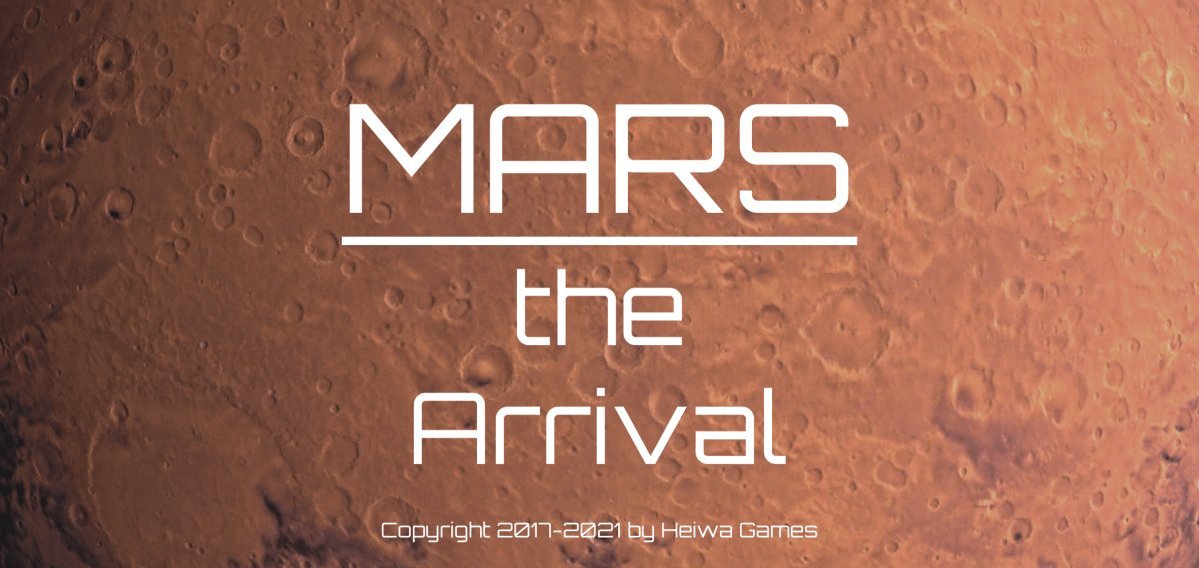
In an age where mobile games bombard users with notifications and microtransactions, Mars: The Arrival (MTA) stands as a defiant anomaly. Developed by Heiwa Games, this Mars colony builder app for iOS and Android operates on glacial timescales—where constructing a basic solar panel takes a full real-world day, and interplanetary shipments crawl along over weeks. Unlike mainstream titles that prioritize speed and monetization, MTA demands patience, turning colony management into a methodical chess match against scarcity and time. For developers and gamers weary of predatory mechanics, it’s a fascinating experiment in minimalist design and audacious restraint.
The Hunt for Martian Realism
Many Mars simulators, from Paradox’s Surviving Mars to the hyper-detailed Mars Simulator Project, either oversimplify resource chains or drown players in excessive micromanagement. MTA strikes a middle path, grounding its mechanics in plausible logistics. Resources like steel or oxygen must be painstakingly produced on-site or imported from Earth at significant cost and delay, eliminating the fantasy of instant materialization. The UI reinforces this austerity: after an initial 3D flyover of Mars, players confront a stark, VisiCalc-inspired interface of green text on black, tracking resources and progress through incremental numerical ticks rather than flashy visuals.
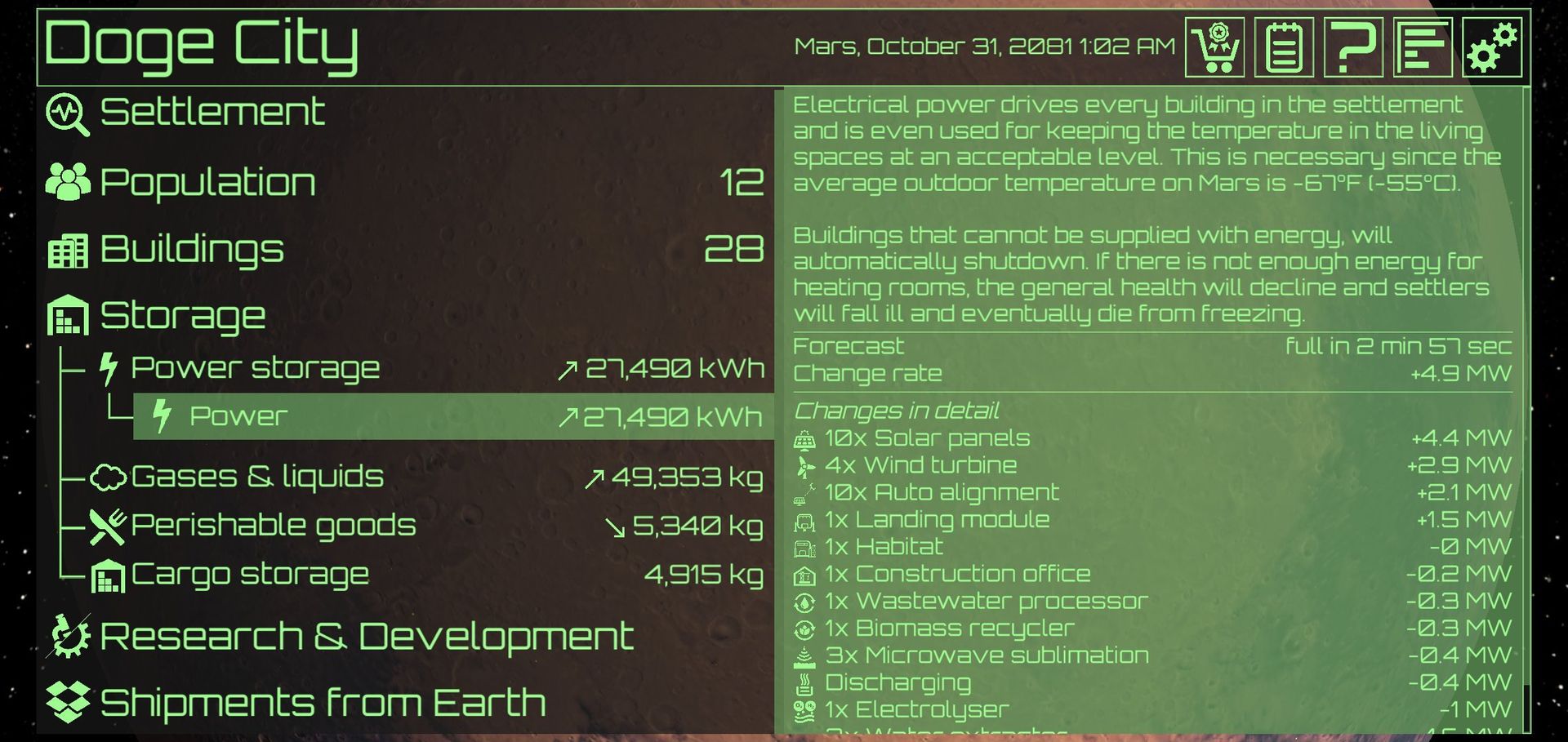
A Gameplay Loop Measured in Days, Not Minutes
At its core, MTA is about survival through meticulous planning. Players start with a handful of colonists juggling research and construction to achieve basic self-sufficiency in oxygen, water, and food. There are no disasters or random events—failures stem solely from oversight, like neglecting to house colonists during upgrades, which slowly erodes morale. As lead developer Stefan explains, the vision emerged from Kim Stanley Robinson’s Mars trilogy:
"I focused on a realistic rather than typical game-style approach. An early prototype was too granular, so I zoomed out strategically to accelerate the path to terraforming."
This philosophy manifests in excruciatingly slow progression: expeditions take four days, late-game buildings require 10, and shipments from Earth dawdle for weeks. Gameplay sessions often last mere minutes—just enough to queue the next task before logging out to wait. Yet, this constraint breeds depth. By the Expansion Phase, players orchestrate complex supply chains involving biomass and rare earths, forecasting moves days ahead like a grandmaster. The hidden tech tree adds tension, forcing players to deduce research paths without previews of costs or staffing needs.
Monetization Without Compromise
In a bold rebuke to industry norms, MTA avoids pay-to-win entirely. While free-to-play, it monetizes subtly through optional ads for marginal resource boosts or a "Gold Member" upgrade for ad-free play and leaderboard access. Crucially, no payment speeds up time or bypasses challenges. Stefan, who self-funds development alongside a small team, emphasizes this ethos:
"I hate the concept of speeding up games with real money. Having a well-paid job, I didn’t need to follow that pattern."
This integrity resonates with players seeking substance over Skinner-box tactics, though the game isn’t flawless. Key oversights—like absent fuel mechanics for rockets or the inability to queue tasks—can make late-game phases tedious. Without random events, stability can feel static until sudden population booms force frantic expansion.
A Call to Build the Future—Slowly
MTA’s deliberate pace has cultivated a dedicated following, particularly among developers and engineers who appreciate its systems-driven challenge. Heiwa is now exploring open-sourcing the project to accelerate development, with Stefan inviting collaborators:
"If you have a burning passion for settling Mars and embrace non-standard business models, reach out. Moving to Git could help us reach terraforming faster."
Planned features, like a top-down colony view, could enhance accessibility without sacrificing the game’s soul. For now, MTA remains a testament to the power of slowness in tech—a reminder that depth often lies not in frenetic action, but in the quiet tension of numbers ticking upward, one day at a time.
Source: Original article on Gyrovague
Comments
Please log in or register to join the discussion