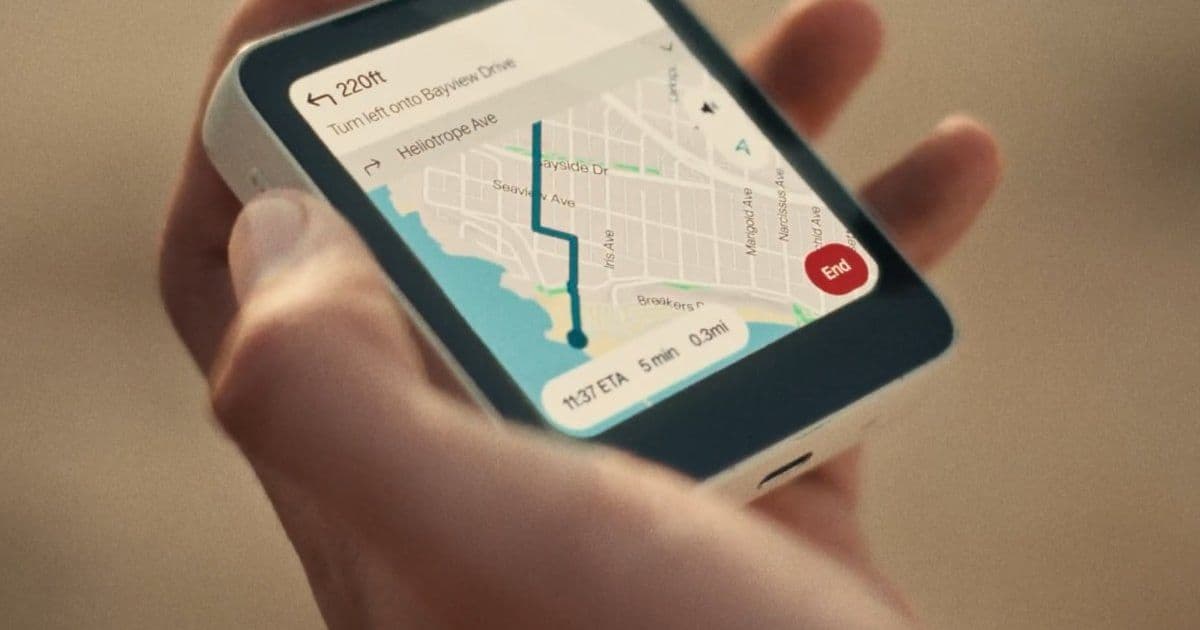
Meadow introduces a minimalist smartphone with a 3-inch screen, limited apps, and no social media—priced at $399-$449 with subscription fees. This ultra-simple device aims to reduce digital distractions while maintaining basic connectivity for users seeking a secondary phone experience.
In an era of increasingly large, feature-packed smartphones, the Meadow phone presents a stark alternative with its 3-inch square display and intentionally limited functionality. While several small-screen phones have emerged recently, most have added keyboards or gamepads that somewhat defeat the purpose of minimalism. The Meadow takes a different approach—a simple, distraction-free device that ships with just a handful of curated apps and no app store.
The Meadow Experience
At first glance, the Meadow phone appears almost comically small compared to modern smartphones. With its 3-inch square TFT LCD display, recycled polycarbonate shell, and compact dimensions (1.3" x 2" x 0.4"), the device weighs just 4 ounces. Despite its minimalistic design, it includes respectable specifications: 6GB of RAM, 128GB of storage, and a 13MP ultrawide camera on the back (no front-facing camera). Connectivity options include WiFi, Bluetooth, NFC, and 4G cellular support.
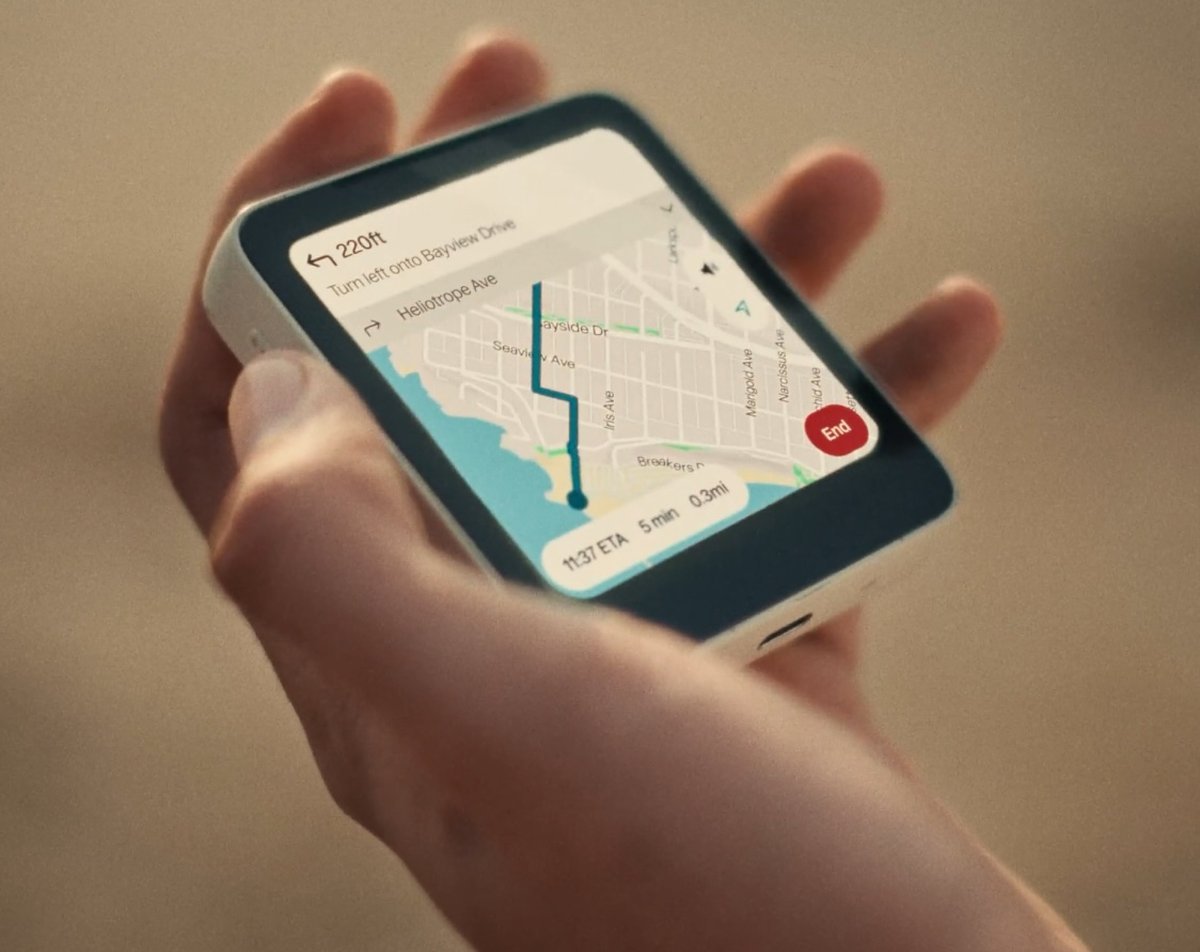
The Meadow's core philosophy revolves around intentional limitations. The device comes pre-installed with a curated selection of apps: Apple Music, Calls & Texts, Camera, Clock, Maps, Music, Notes, Podcasts & Audiobooks, Spotify, Strava, Uber, and Weather. Notably absent are web browsers and social media applications. The company has made specific choices about which services to include—offering both Apple Music and Spotify but omitting competitors like Tidal or YouTube Music, and including Uber but not Lyft.
Perhaps the most restrictive feature is the contact limit: the Meadow supports only 12 contacts and will only receive text messages from people in that list. According to the FAQ, "If someone outside of your contacts gets a hold of your Meadow number, you'll never see the unwanted texts." This design decision effectively eliminates spam but could cause users to miss important messages from infrequent contacts.
Positioning in the Mobile Landscape
The Meadow phone represents a growing trend toward digital minimalism and intentional technology use. While smartphones have become increasingly powerful and distracting, some users are seeking devices that provide connectivity without the endless scroll, notifications, and app ecosystem that can lead to digital overload.
However, the Meadow's implementation raises questions about its market positioning. At $399 for pre-order (with an expected retail price of $449), it's priced similarly to mid-range smartphones that offer significantly more functionality. The price includes a 9-month subscription to "unlimited calls, texts, photo storage, and more," but users must pay $10 per month thereafter for continued service.

The Meadow is clearly designed as a secondary device rather than a primary phone. It shares the same phone number as your main smartphone, with calls going to your primary device first. If your main phone is off, calls transfer to the Meadow. Texts sent to you while you're without your primary phone trigger an auto-reply stating you're "out with your meadow." This dual-device approach suggests the Meadow is meant to complement rather than replace a conventional smartphone.
Practical Considerations for Potential Users
For those considering the Meadow as a secondary device, several factors warrant attention:
Subscription Model: The $10 monthly fee after the initial 9-month period adds significant cost over time, especially when considered alongside existing cell phone plans.
Geographic Limitations: At launch, the Meadow's 4G cellular features will only be certified for use in the United States, limiting its appeal to international users.
Audio Options: The device lacks a headphone jack, relying solely on Bluetooth audio and USB-C output for sound.
Battery Life: While promising 1-2 days of battery life with fast charging support, real-world performance may vary based on usage patterns.

The Meadow ships with several accessories including a "beach pouch," "action case," and charging cable, reflecting its intended use as a companion device for various activities where users might want to stay connected but avoid digital distractions.
Who Is the Meadow For?
The Meadow phone targets a specific niche: users who want occasional connectivity without the full smartphone experience. This could include:
- Parents who want to provide children with a communication device without internet access
- Outdoor enthusiasts who need basic connectivity but want to minimize distractions
- Professionals who need to be reachable during off-hours but want to avoid work-related notifications
- Anyone practicing digital minimalism who still needs occasional connectivity
However, the limited contact list and lack of flexibility in app selection may deter potential users who need more versatility. The decision to include specific apps while excluding others—particularly the absence of web browsing capabilities—further narrows its appeal.

The Future of Minimalist Devices
The Meadow joins a growing category of intentional technology products designed to combat digital overload. While it may not appeal to mainstream users, its existence reflects a broader conversation about how we interact with technology and the need for devices that serve specific purposes rather than attempting to be all things to all people.
For more information about the Meadow phone, you can visit their official website at meadowphone.com. The device is expected to begin shipping in June 2026, with pre-orders currently being accepted at $399.
As smartphone screens continue to grow and features multiply, devices like the Meadow offer an alternative vision for mobile computing—one that prioritizes presence over productivity, connection over consumption, and intention over ubiquity. Whether this approach gains mainstream acceptance or remains a niche curiosity remains to be seen, but it undoubtedly adds an interesting perspective to the ongoing evolution of personal technology.
Comments
Please log in or register to join the discussion