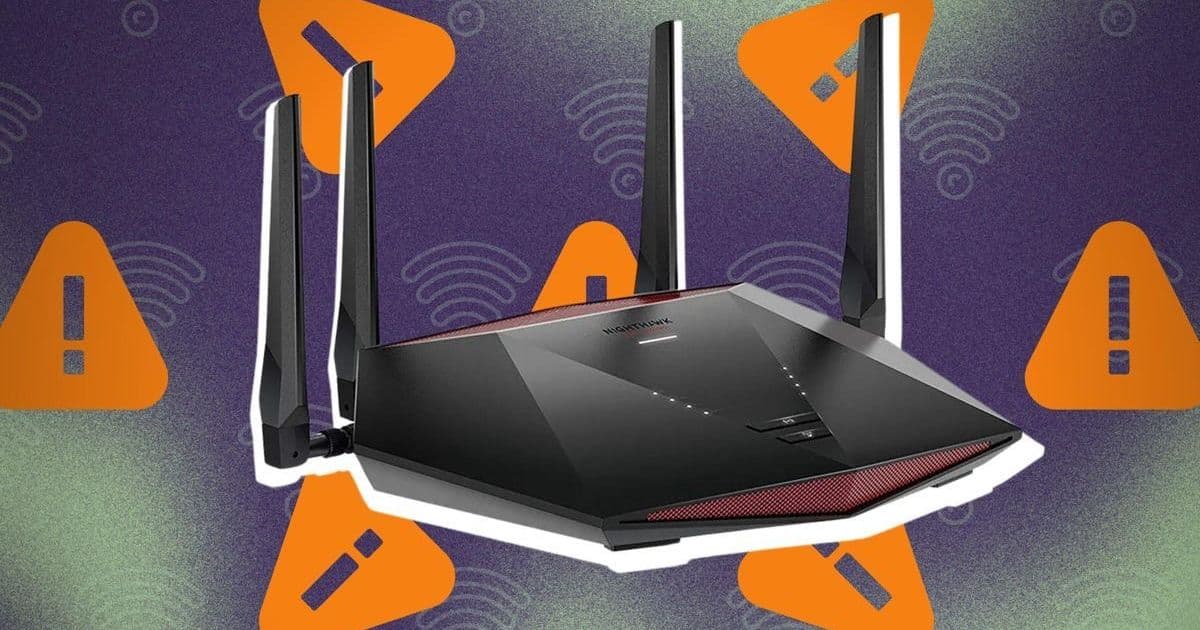

As remote work cements its place in our lives, choosing the right networking hardware is critical for seamless productivity. We dissect the battle between traditional Wi-Fi routers and mesh systems, exposing which solution delivers superior coverage, speed, and reliability based on your home office demands.
In today's hybrid work era, a rock-solid internet connection isn't a luxury—it's the lifeline of productivity. With homes doubling as offices, the debate intensifies: should you anchor your digital life with a single high-powered Wi-Fi router, or blanket your space with a mesh network's interconnected nodes? For developers juggling cloud deployments, video conferences, and bandwidth-hungry applications, this choice impacts everything from code compiles to client calls. Let's cut through the noise and analyze which setup reigns supreme for your unique environment.
The Case for Traditional Wi-Fi Routers
Traditional routers act as a solitary gateway, funneling your ISP's connection to all devices. They're the workhorses of home networking, prized for their simplicity and raw performance. As the source highlights, they shine in specific scenarios:
- Budget-Conscious Efficiency: Standard routers like the TP-Link AXE5400 or Asus RT-BE86U offer robust speeds at a lower cost than multi-node mesh kits, making them ideal for startups or freelancers watching expenses.
- Uncompromised Speed for Heavy Loads: If your work involves massive data transfers, AI model training, or real-time collaboration, wired Ethernet via a router delivers lower latency. Gamers and streamers, take note—cabled connections minimize lag where milliseconds matter.
- Simplified Security Management: Isolating devices on separate networks (e.g., segregating IoT gadgets from work laptops) is straightforward with router admin panels, reducing attack surfaces for sensitive development environments.
"For resource-intensive tasks, a wired router connection isn't just faster—it's non-negotiable. Mesh systems can introduce subtle latency that disrupts workflows," notes a network engineer quoted in the source analysis.
Why Mesh Networks Are Reshaping Home Offices
Mesh systems replace a single point of failure with decentralized nodes that collaborate to eliminate dead zones. Products like Eero Pro 7 create a unified web of coverage, dynamically routing traffic for optimal performance. They excel when:
- Coverage Is King: Spanning up to 5,000 sq. ft., mesh networks conquer large homes or garden offices where traditional routers falter. No more signal drops during critical video demos in that basement workspace.
- Seamless Mobility Matters: As you move between rooms, nodes hand off connections invisibly. This is gold for tech leads hopping from desk calls to living room whiteboarding sessions.
- Smart Controls Add Value: Mobile apps for systems like Google Wifi offer traffic monitoring and parental controls—useful for households with multiple users competing for bandwidth during peak hours.
The Hidden Trade-Offs: Latency, Cost, and Complexity
Mesh isn't a panacea. The source underscores critical caveats:
- Speed vs. Spread Trade-Off: Extended coverage can mean marginally higher latency, problematic for real-time applications like VoIP or cloud gaming. Professionals needing pinpoint responsiveness should prioritize wired router setups.
- Budget Implications: A full mesh system costs significantly more than a standalone router. For smaller spaces, a $15 Ethernet cable or Wi-Fi extender might suffice without overhauling your network.
- Setup Nuances: Configuring mesh nodes demands initial tuning, whereas routers often offer plug-and-play simplicity. Developers might appreciate the granular control, but time-strapped teams could find it burdensome.
The Verdict: Match Your Setup to Your Workflow
Your ideal choice hinges on three factors: space size, bandwidth demands, and mobility needs. In compact apartments with wired workstations, a high-end router like the Wi-Fi 7-enabled Asus RT-BE86U maximizes speed and security. For sprawling homes with roaming users, mesh systems like Eero Pro 7 ensure relentless connectivity. Remember—no hardware fixes a subpar ISP plan. Audit your internet package first; sometimes, the real bottleneck isn't your router but your provider's throttling.
Ultimately, this isn't just about bars on a signal icon. It's about crafting an invisible infrastructure that empowers innovation. Whether you're deploying code or leading a sprint, the right network choice silences distractions and lets your work speak louder than buffering screens.
Source: Analysis based on ZDNET's comprehensive review of mesh and Wi-Fi routers for home offices.
Comments
Please log in or register to join the discussion