
A significant breach at Columbia University compromised the sensitive personal, financial, and health data of nearly 870,000 students, applicants, and employees. The incident underscores persistent vulnerabilities in higher education's cybersecurity posture despite substantial resources.
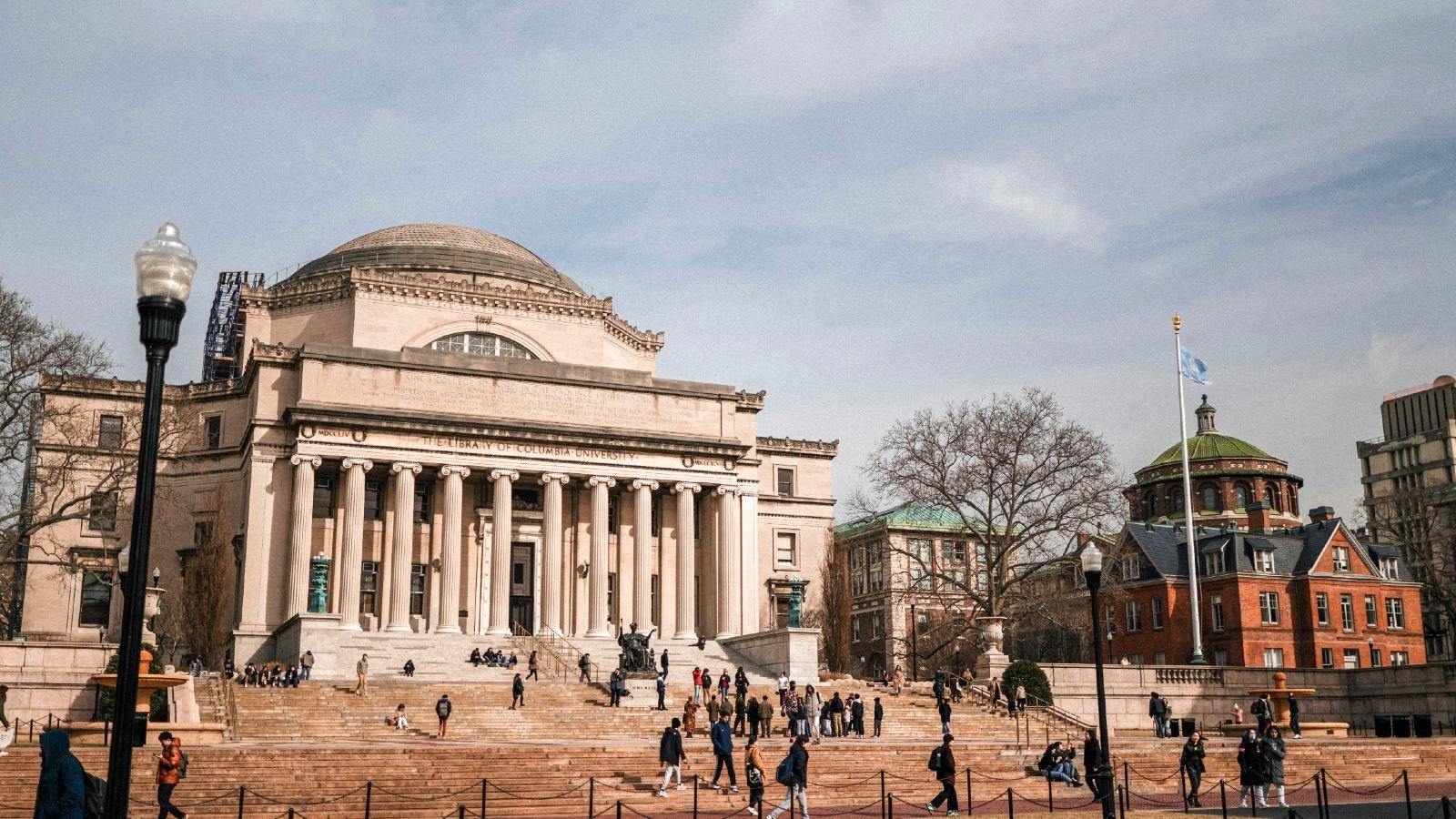
Columbia University, an Ivy League institution with a $6.6 billion budget and over 35,000 students, has confirmed a massive data breach impacting 868,969 individuals. The breach occurred on or around May 16, 2025, when an unauthorized threat actor infiltrated the university's network, exfiltrating sensitive files. The intrusion was discovered during a system outage investigation on June 24, prompting collaboration with external cybersecurity experts and law enforcement.
Scope of the Compromise
The stolen data represents a severe triple-threat exposure:
- Personal Identifiers: Names, dates of birth, Social Security numbers
- Academic & Financial Records: Contact details, demographic information, academic history, financial aid data
- Health Information: Insurance details and medical data shared with the university
Columbia confirmed the breach does not affect patient records from its Irving Medical Center. Impacted groups include:
- Current and former students
- Employees
- Applicants
- Family members of affiliated individuals
Institutional Response and Ongoing Risks
While the university states there's "no evidence" of data misuse yet, it offers affected individuals:
- Two years of credit monitoring
- Fraud consultation
- Identity theft restoration services via Kroll
This incident follows a troubling pattern in higher education—high-value data repositories with disparate systems create attractive targets. Despite Columbia's significant resources, the breach highlights:
- The challenge of securing legacy academic IT ecosystems
- The lucrative market for stolen academic records (used for identity fraud, targeted phishing)
- Delayed breach discovery timelines (over 5 weeks)
"The combination of SSNs, health data, and academic records creates perfect storm conditions for long-term identity theft," notes Dr. Elena Voss, cybersecurity researcher at MIT. "Universities amass decades of sensitive data but often lack enterprise-grade security unification."
The Bigger Picture for Academia
Columbia joins a growing list of elite universities hit by breaches, raising urgent questions:
- Why do institutions with vast cybersecurity budgets remain vulnerable?
- How can federated academic environments (research labs, admin systems, student portals) implement cohesive zero-trust architectures?
- When will regulatory pressure mirror healthcare (HIPAA) or finance (GLBA) for education data?
As threat actors increasingly target the education sector—a sector holding decades of immutable personal data—this breach serves as a stark reminder: prestige does not equal protection. Robust encryption, strict access controls, and continuous threat hunting are non-negotiable for safeguarding academic communities.
Comments
Please log in or register to join the discussion