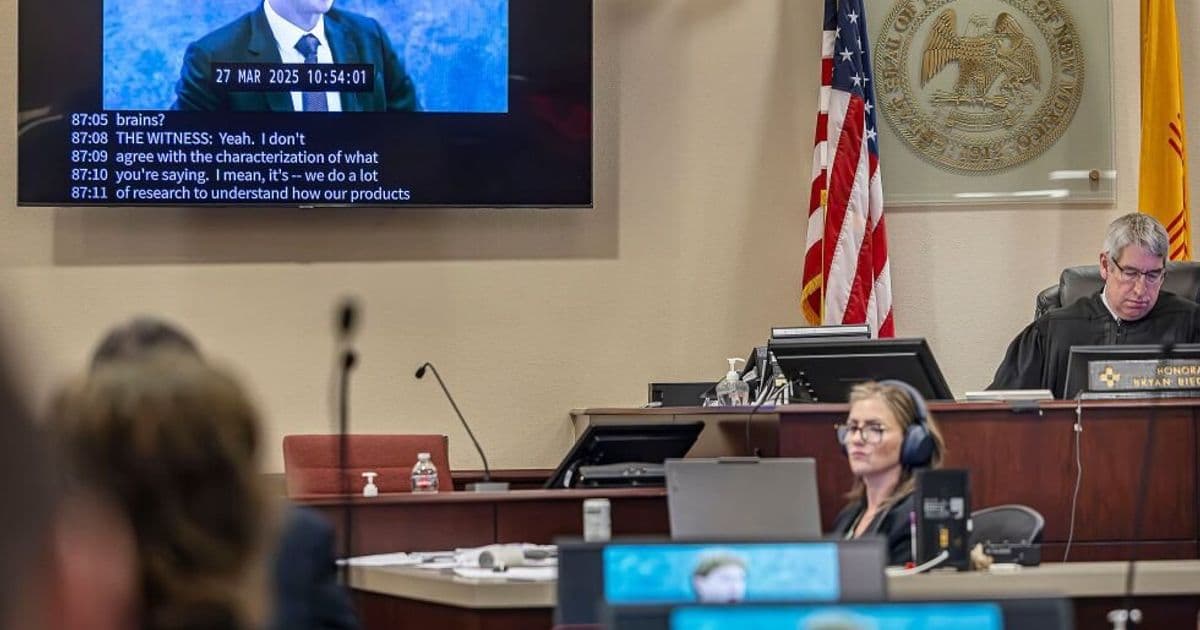
A New Mexico jury has begun deliberations in a landmark lawsuit against Meta, where the social media giant is accused of misleading users about platform safety for children, following closing arguments from both sides.
A New Mexico jury has begun deliberations in a landmark trial where Meta faces accusations of misleading users about the safety of its platforms for children, marking a significant legal challenge for the social media giant.
The Case Against Meta
The trial centers on allegations that Meta, the parent company of Facebook and Instagram, has misrepresented the safety measures in place to protect young users from harmful content and online predators. New Mexico Attorney General Raúl Torrez's office brought the lawsuit, arguing that Meta's platforms pose substantial risks to children despite the company's public statements about safety.
During closing arguments, prosecutors contended that Meta prioritized growth and engagement over child safety, pointing to internal documents and communications that allegedly show the company was aware of risks but failed to adequately address them. The state's legal team argued that Meta's marketing materials and public statements created a false impression of safety that lured families into using the platforms.
Meta's Defense
Meta's defense team countered that the company has implemented extensive safety measures and that parents bear primary responsibility for monitoring their children's online activities. They argued that Meta has invested billions in safety initiatives and that the platforms provide valuable social connections for young users when used appropriately.
The defense also challenged the state's characterization of Meta's internal communications, suggesting that the documents were taken out of context and that the company has consistently worked to improve safety features over time.
Significance of the Trial
This case represents one of the most significant legal challenges to date regarding social media companies' responsibilities for child safety. The outcome could have far-reaching implications for how tech companies approach safety measures and communicate with users about platform risks.
Legal experts note that if New Mexico prevails, it could open the door to similar lawsuits in other states and potentially influence federal legislation regarding children's online safety. The trial also comes amid growing scrutiny of social media's impact on youth mental health and well-being.
Broader Context
The trial occurs against a backdrop of increasing regulatory pressure on social media companies. Congress has held multiple hearings on children's online safety, and several states have passed or are considering legislation to restrict social media access for minors or impose additional safety requirements on platforms.
Meta has faced criticism from lawmakers, parents' groups, and child safety advocates who argue that the company's business model, which relies on maximizing user engagement, creates inherent conflicts with protecting young users from harmful content.
What's at Stake
Beyond the immediate legal outcome, the trial highlights the ongoing debate about the appropriate balance between free expression, business interests, and child protection in the digital age. The case also raises questions about the extent to which social media companies should be held liable for user-generated content and the effectiveness of current safety measures.
Meta has maintained that it is committed to keeping young users safe and has pointed to features like parental controls, content filters, and age verification systems as evidence of its efforts. However, critics argue that these measures are insufficient given the documented risks associated with social media use by children and teenagers.
Next Steps
As the jury deliberates, both sides have presented extensive evidence and expert testimony over the course of the trial. The jury's decision could come within days, though complex cases sometimes require longer deliberation periods.
The trial's outcome may influence not only Meta's future policies and practices but also shape the broader conversation about corporate responsibility in the tech industry. Regardless of the verdict, the case has already brought increased attention to the challenges of protecting children in an increasingly digital world.
For Meta, a negative verdict could result in significant financial penalties and potentially force the company to implement more stringent safety measures across its platforms. It could also embolden other states and advocacy groups to pursue similar legal action against social media companies.
The case represents a pivotal moment in the ongoing effort to reconcile the benefits of social media connectivity with the need to protect vulnerable users, particularly children, from online harms.
Comments
Please log in or register to join the discussion