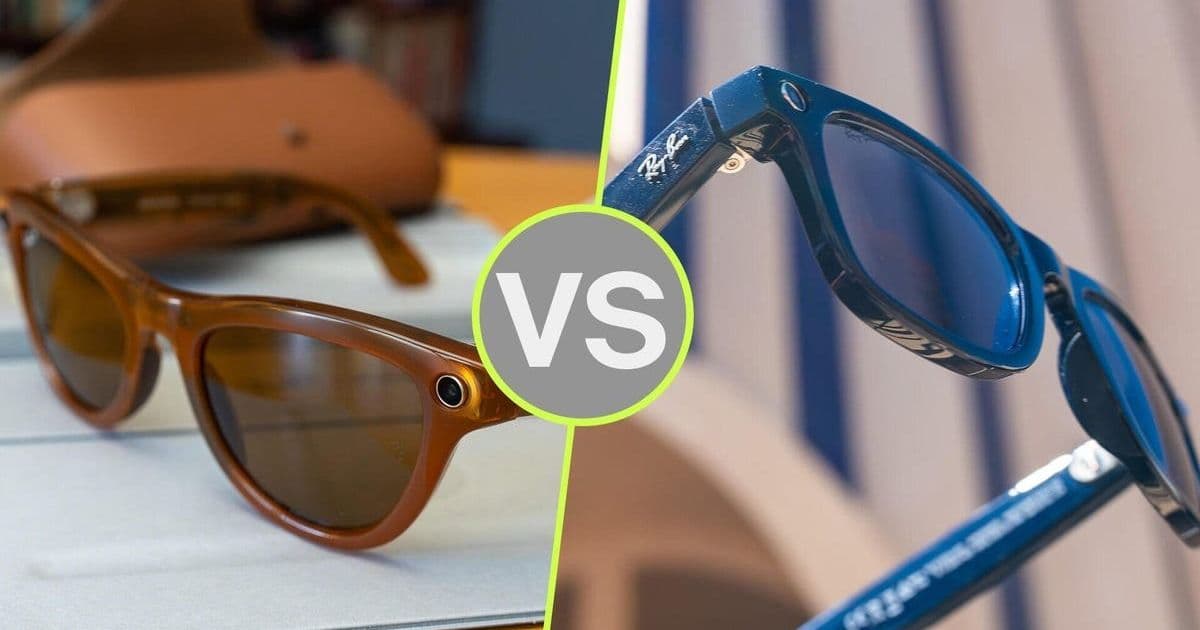
Meta's second-generation Ray-Ban smart glasses offer significant hardware upgrades like 3K video capture and doubled battery life, but key AI features are coming to the original model. We break down whether the $80 premium is justified for developers and creators versus sticking with the discounted Gen 1.
When Mark Zuckerberg dedicated 80% of Meta Connect 2025 to smart glasses, it signaled a strategic bet: wearables are central to Meta's post-smartphone vision. The new Ray-Ban Display glasses garnered headlines, but the quietly released second-generation standard Ray-Bans present a more immediate dilemma for tech adopters. Having tested both models extensively, the upgrade path hinges on whether hardware gains justify the cost for your workflow.
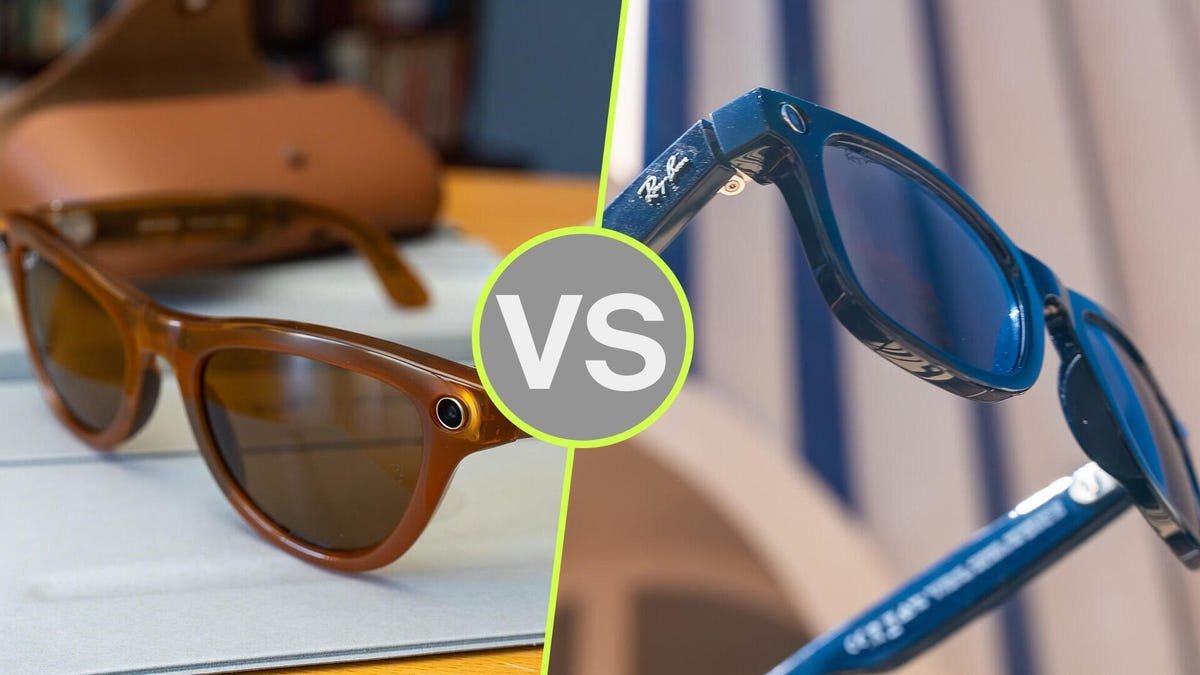 Caption: Side-by-side comparison of Meta Ray-Ban generations (Credit: Jason Hiner/ZDNET)
The Hardware Leap: Where Gen 2 Earns Its Premium
The standout upgrade is undoubtedly the 12MP camera capturing 3K video — a substantial jump from Gen 1's 1080p. For developers prototyping AR applications or creators capturing POV content, the higher resolution provides crucial flexibility for cropping and post-processing, despite the persistent 4:3 aspect ratio. Equally significant is the doubled battery life: 8 hours of continuous audio streaming versus 4 hours, extending to 48 hours with the charging case. This transforms all-day usability, especially for:
- Field researchers conducting extended ambient audio recording
- Developers testing voice assistant integrations
- Users relying on real-time translation during travel
Gen 1's Enduring Value: Software Parity & Cost
Crucially, Meta confirmed that flagship AI features unveiled with Gen 2 — including Conversation Focus (directional audio enhancement) and Live AI (multimodal environmental interaction) — will roll out to the first-generation glasses. This software democratization undermines a key reason to upgrade immediately. Combined with the $80 price difference ($299 vs. $379), Gen 1 becomes compelling:
"If core AI functionality is your priority, saving $80 on Gen 1 while awaiting the same software updates is a rational developer choice," notes ZDNET's review. First-gen units are frequently discounted below $250, and Meta's refurbished store offers further savings.
The Verdict: Matching Use Case to Investment
Choose Gen 2 if: High-fidelity video capture is non-negotiable, extended unplugged usage is critical, or you require the latest hardware for application development testing. The 3K sensor and battery are tangible improvements.
Choose Gen 1 if: Budget constraints dominate, primary use involves audio/AI features (soon updated), or finding sub-$250 deals shifts value overwhelmingly in its favor.
Meta's strategy reveals a nuanced hardware rollout: pushing boundaries with displays and sensors in premium models while using software to extend the lifespan of accessible entry points. For the tech community, this bifurcation offers flexibility — invest in cutting-edge optics now or leverage proven platforms enhanced by cloud-delivered intelligence. The true 'upgrade' may lie less in the lenses and more in how seamlessly both generations integrate into evolving ambient computing workflows.
Source: ZDNET comparative review (September 2025)
Comments
Please log in or register to join the discussion