
Meta's new Oakley smart glasses target athletes with rugged durability and double the battery life of Ray-Bans, but at a $200 premium. We break down which model justifies its price for developers eyeing the future of wearable interfaces.
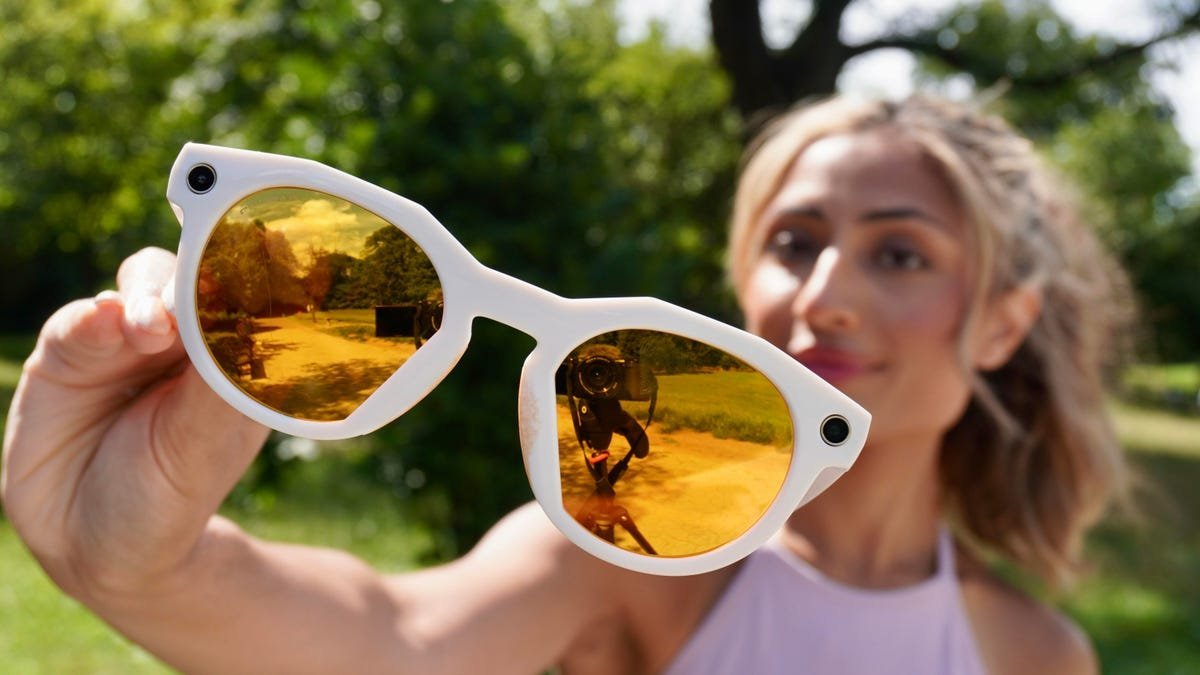
When Meta expanded its smart glasses lineup beyond the fashionable Ray-Bans to partner with performance brand Oakley, it signaled a strategic push into specialized wearable ecosystems. Both models pack cameras, speakers, microphones, and Meta AI into their frames, but as ZDNET's testing reveals, their design philosophies target fundamentally different user experiences.
Core Technical Divergences
| Feature | Meta Ray-Bans | Meta Oakley HSTN |
|---|---|---|
| Battery Life | 4 hours | 8 hours |
| Video Quality | 1080p | 3K resolution |
| Durability | Standard | IPX4 water resistance |
| Price | Starting at $299 | $499 |
The Oakley Advantage: Built for Action
The Oakley HSTN's standout feature is its eight-hour battery—a critical upgrade for extended outdoor use. "With my Ray-Bans, the countdown begins right after I put them on," notes ZDNET's Sabrina Ortiz, whereas the Oakleys survived multiple multi-hour test sessions. Combined with 3K video capture (surpassing the Ray-Ban's 1080p), they position themselves as GoPro alternatives for POV content creation during activities like hiking or cycling.
 Oakley's rugged design includes IPX4 resistance—essential for athletes but visually divisive.
Ray-Ban's Enduring Appeal: Everyday Stealth
For developers prototyping ambient computing interfaces, the Ray-Bans offer near-invisible tech integration. Their extensive frame styles (including optical options) enable seamless daily wear—something the overtly sporty Oakleys can't match. At $200 less, they remain the entry point for experimenting with Meta's AI assistant and hands-free camera functions.
Why This Matters for Tech Builders
This bifurcation reflects Meta's segmentation strategy:
- Ray-Bans test mainstream adoption of always-available AI
- Oakleys validate specialized hardware for vertical markets (fitness, industrial)
As Ortiz observes: "Unless you need marathon-grade battery or extreme durability, the Ray-Bans deliver core smart features at accessible prices." Yet Oakley's specs hint at where wearables must evolve—longer uptime and environmental hardening remain key challenges for the next generation.
Source: ZDNET
Comments
Please log in or register to join the discussion