Micron responds to criticism over discontinuing its Crucial consumer brand, citing enterprise/AI priorities and warning DRAM supply shortages may persist until 2028 despite new fab investments.
Micron Technology has publicly addressed backlash following its decision to wind down the Crucial consumer SSD and memory brand, while simultaneously warning that DRAM supply shortages could extend until at least 2028. In an exclusive interview with WCCFTech, Christopher Moore, Micron's Vice President of Marketing for the Mobile and Client Business Unit, defended the controversial move amid growing concerns about memory accessibility for PC builders and enthusiasts.
Strategic Shift to Enterprise and AI Markets
Last December, Micron announced it would discontinue Crucial-branded consumer products by January 2025, reallocating production capacity to enterprise-grade DRAM and SSDs for AI infrastructure. This aligns with broader industry trends where memory manufacturers prioritize high-margin AI workloads over consumer segments. Moore acknowledged stakeholder disappointment but emphasized Micron's continued consumer focus through indirect channels: "We are trying to help consumers around the world. Our viewpoint is that we serve them by supplying components like LPDDR5 to OEM partners including Dell and Asus for integration into laptops."
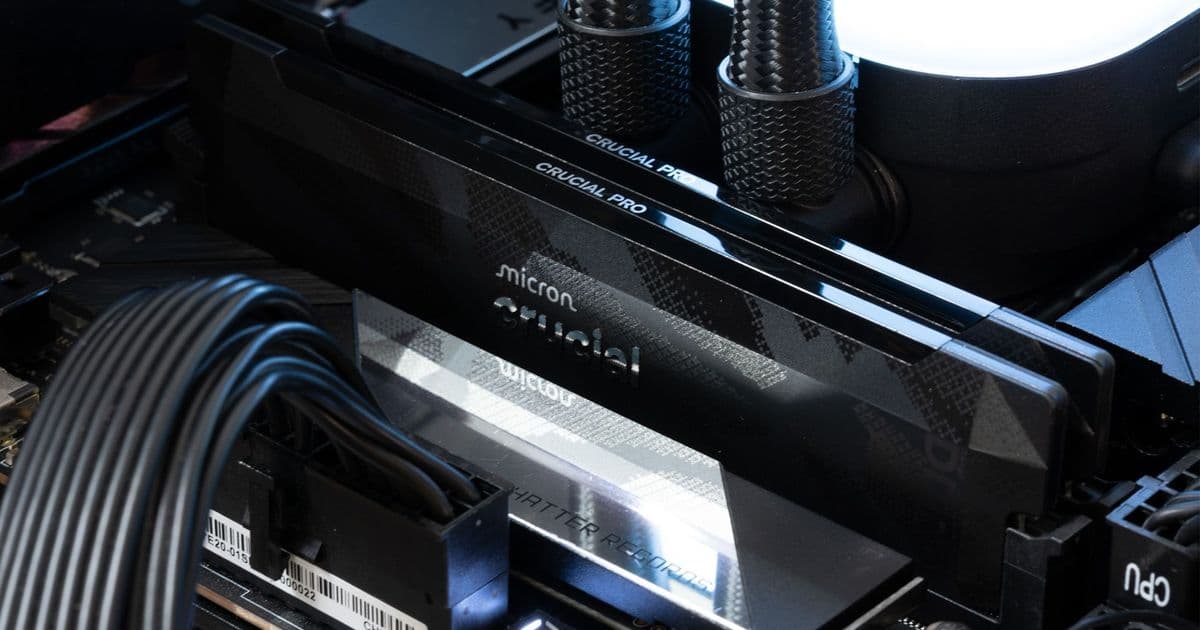
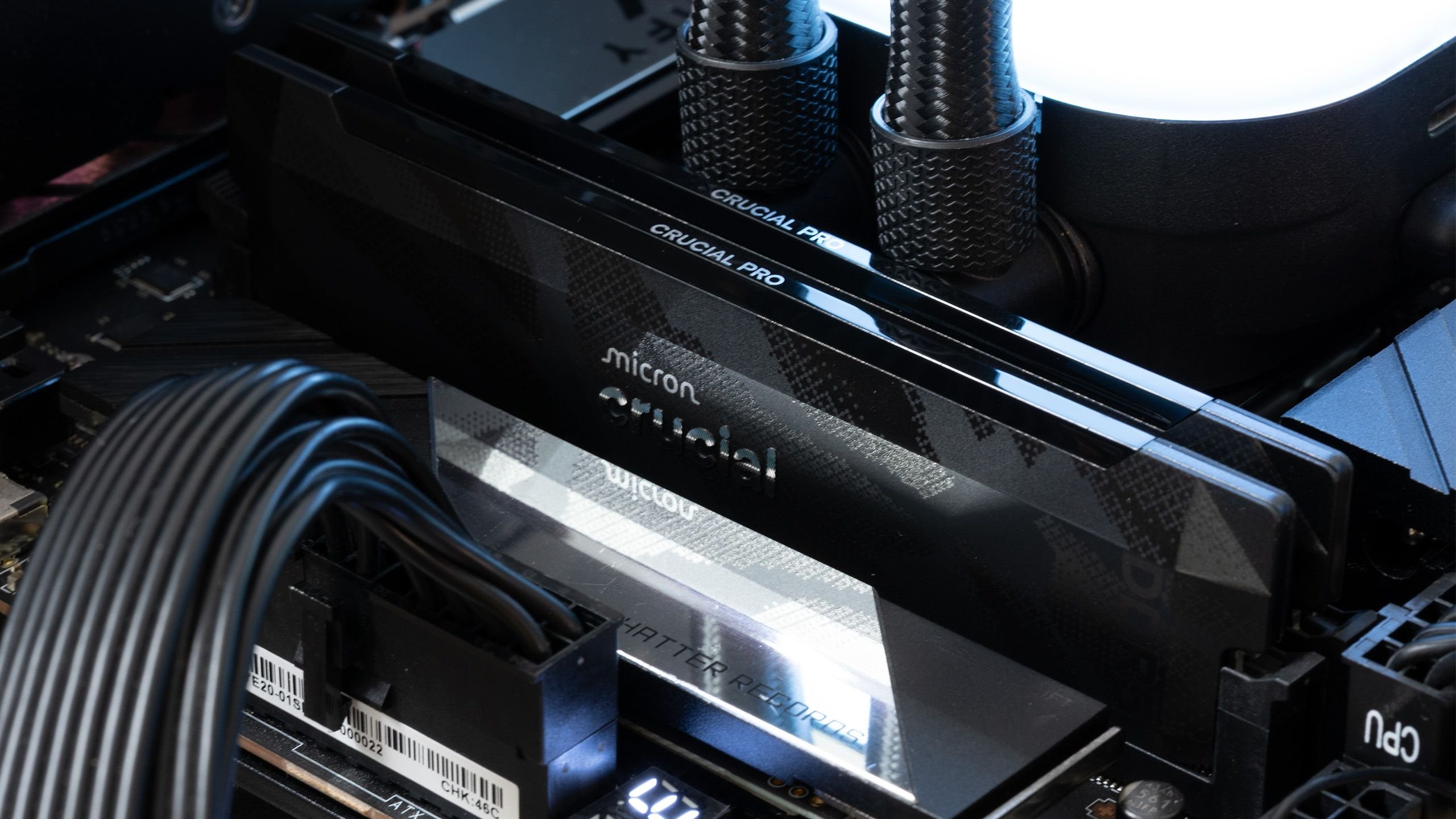
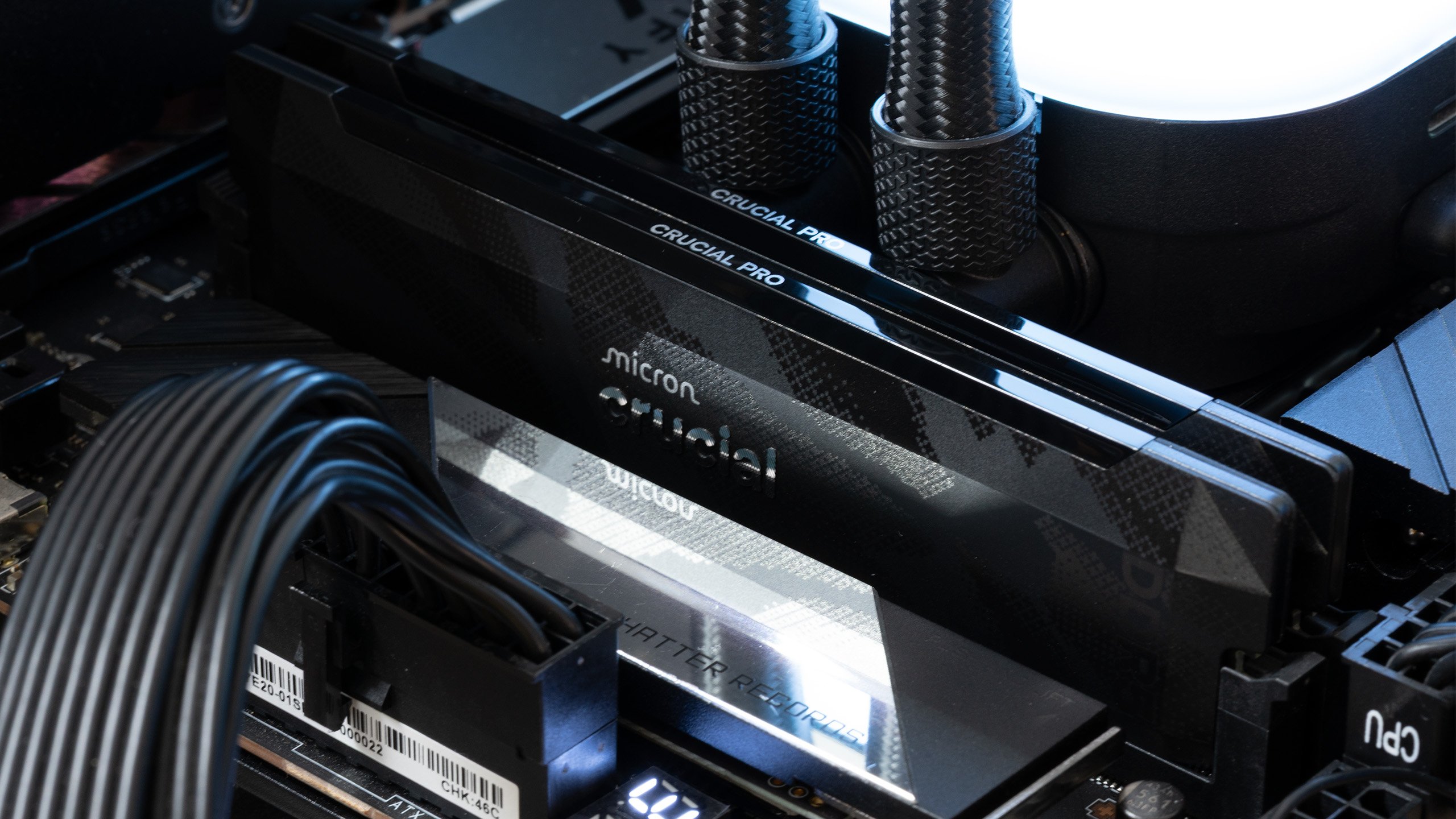 The Crucial Pro Overclocking DDR5-6400 C32 represents consumer products being phased out as Micron shifts focus.
This explanation offers little relief to the DIY market, where Crucial SSDs and memory modules were staple components. Industry data shows consumer DRAM prices have surged over 20% year-over-year, with 16GB DDR5 kits now averaging $50-$60 compared to $40-$50 in 2023. Moore conceded Micron cannot ignore AI-driven demand, stating the company engages with "every single PC brand" but must prioritize clients driving exponential data center growth.
Fab Expansions Face Capacity Lag
Micron's planned manufacturing expansions highlight the scale of current shortages. The company recently broke ground on a $100 billion "megafab" in New York, projected to produce 40% of Micron's total DRAM output by the 2040s. A separate Idaho facility (ID1) is scheduled for mid-2027 production startup. However, Moore cautioned these projects won't alleviate shortages soon: "We won't see real output, meaningful output until 2028."
The delay stems from fundamental supply-demand imbalances. Micron CEO Sanjay Mehrotra previously revealed the company fulfills just 50-66% of current DRAM orders. Even when new fabs come online, initial production will address this deficit rather than expand available inventory. Fabrication complexity compounds the issue—modern DRAM nodes like Micron's 1β (1-beta) process require 600+ manufacturing steps across 12-16 weeks, limiting rapid output scaling.
Market Implications Through 2028
For consumers, this signals prolonged constraints:
- Pricing Pressure: DRAM spot prices are projected to rise another 15-20% through 2025 before stabilizing, extending PC build cost increases.
- OEM Prioritization: As Moore indicated, consumer access will increasingly depend on pre-built systems using Micron's LPDDR5 or OEM-branded modules.
- Industry Ripples: Competitors like Samsung and SK Hynix face similar AI-driven allocation shifts, potentially shrinking the consumer memory market by 10-15% by 2026 per TrendForce estimates.
Moore's comments underscore a harsh reality: despite Micron's $150 billion in planned U.S. investments, consumer-focused memory relief remains years away. The Crucial shutdown symbolizes an industry-wide pivot where AI infrastructure absorbs capacity that once powered DIY upgrades—a transition leaving enthusiasts navigating shortages until the latter half of the decade.
 Stephen Warwick is Tom's Hardware's News Editor with nearly a decade of experience covering technology supply chains and consumer electronics.
Comments
Please log in or register to join the discussion